

The stock market represents one of the most powerful wealth-building mechanisms available to investors worldwide, yet many people find it intimidating or confusing. For Indian investors looking to grow their wealth beyond traditional savings accounts, understanding how this financial ecosystem operates is essential. This comprehensive guide breaks down the fundamentals of the stock market, explains its mechanics, and provides practical insights for those considering their first investment. Whether you are a complete novice or someone seeking to reinforce your foundational knowledge, this article will equip you with the understanding needed to navigate the world of equity investments with confidence.
What Is the Stock Market?
The stock market is a collection of markets where stocks (pieces of ownership in companies) are bought and sold. These financial exchanges serve as platforms that connect buyers and sellers, enabling companies to raise capital while providing investors with opportunities to own a portion of businesses and potentially earn returns. The term “stock” refers to the equity ownership in a corporation, while “shares” represent the individual units of stock that an investor can purchase.
In India, the two primary stock exchanges are the National Stock Exchange (NSE) and the Bombay Stock Exchange (BSE). The NSE, established in 1992 and operational since 1994, was India’s first dematerialized electronic exchange. The BSE, founded in 1875, is Asia’s oldest stock exchange and remains one of the largest in the world by number of listed companies. Together, these exchanges facilitate trading in thousands of securities, including equities, derivatives, and debt instruments.
The stock market operates through a network of brokers, dealers, and regulatory bodies that ensure fair and orderly trading. The Securities and Exchange Board of India (SEBI), established in 1992, serves as the regulatory authority overseeing the Indian securities markets. SEBI’s primary objectives include protecting investor interests, promoting fair and transparent markets, and regulating securities issuance and trading.
When a company decides to raise money from the public, it can do so through an Initial Public Offering (IPO), where it lists its shares on a stock exchange for the first time. Once listed, these shares can be traded among investors in the secondary market, with prices determined by supply and demand dynamics. This dual function of capital formation and liquidity provision forms the cornerstone of a healthy stock market ecosystem.
How Does the Stock Market Work?
Understanding the mechanics of stock market operations requires examining several interconnected components that work together to facilitate trading. The process begins when investors place orders through their brokerage accounts, which are then matched with corresponding buy or sell orders on the exchange. Modern electronic trading systems execute these transactions within milliseconds, ensuring efficient price discovery and minimal execution costs.
The price of any stock at any given moment reflects the collective assessment of all market participants regarding the company’s value. When more investors want to buy a stock than sell it, the price rises; conversely, when selling pressure exceeds buying interest, the price falls. This continuous price adjustment mechanism, known as price discovery, ensures that stock prices reflect current market sentiment and expectations about future company performance.
Stock market indices serve as benchmarks that track the performance of a specific group of stocks. In India, the Nifty 50, comprising 50 of the largest and most liquid companies listed on the NSE, serves as the primary benchmark index. Similarly, the Sensex, comprising 30 companies listed on the BSE, is another widely followed index. These indices provide investors with a snapshot of overall market performance and are used extensively by fund managers to measure portfolio performance and by economists to gauge economic health.
Trading in the Indian stock market occurs during specific hours: the pre-market session runs from 9:00 AM to 9:15 AM, while the regular trading session operates from 9:15 AM to 3:30 PM on weekdays. The market remains closed on weekends and on designated holidays. Investors can trade through various order types, including market orders (executed immediately at current market price), limit orders (executed only at specified price or better), and stop-loss orders (triggered when price reaches a predetermined level).
Key Players in the Stock Market
The stock market ecosystem comprises numerous participants, each playing distinct roles that contribute to market efficiency and liquidity. Understanding these participants helps investors appreciate the dynamics that influence stock prices and market movements.
Retail Investors represent individual participants like you who buy and sell stocks through brokerage accounts. In recent years, the proliferation of discount brokerage platforms and mobile trading apps has democratized access to the stock market, enabling millions of Indians to participate directly in equity markets. The rise of systematic investment plans (SIPs) in mutual funds has further accelerated retail participation, with monthly SIP inflows regularly exceeding ₹15,000 crore.
Institutional Investors include mutual funds, insurance companies, pension funds, and foreign institutional investors (FIIs). These entities manage large pools of capital and typically execute substantial trades that can significantly influence market movements. Their investment decisions are often based on rigorous research and analysis, making them influential participants in the market.
Market Makers and Dealers are specialized participants who provide liquidity by maintaining buy and sell orders for specific securities. They profit from the bid-ask spread—the difference between the price at which they are willing to buy and sell stocks. By ensuring continuous availability of buyers and sellers, market makers enhance market efficiency and reduce transaction costs for other participants.
Stock Brokers serve as intermediaries between investors and the stock exchange. They execute buy and sell orders on behalf of clients and provide various value-added services such as research reports, investment advice, and portfolio management. In India, brokers are registered with SEBI and must adhere to strict regulatory requirements governing their operations.
Types of Stock Market Investments
Investors entering the stock market encounter various investment options, each with distinct characteristics, risk profiles, and potential returns. Understanding these categories helps investors build diversified portfolios aligned with their financial goals and risk tolerance.
Equity Shares represent direct ownership in companies and constitute the most common form of stock market investment. When you purchase equity shares, you become a partial owner of the company and may benefit from capital appreciation (increase in stock price) and dividends (profit distribution). Equity investments typically offer higher long-term returns compared to fixed-income instruments but also carry higher volatility and risk.
Derivatives are financial instruments whose value derives from underlying assets such as stocks, indices, or commodities. In India, derivative trading includes futures and options on individual stocks and indices like Nifty and Bank Nifty. These instruments are primarily used for hedging risks or speculating on price movements and require sophisticated understanding due to their leverage-based nature.
Mutual Funds pool money from multiple investors to invest in diversified portfolios managed by professional fund managers. Equity mutual funds invest primarily in stocks and offer investors exposure to a broad market through a single investment vehicle. The Systematic Investment Plan (SIP) mechanism allows investors to invest fixed amounts regularly,rupee-cost averaging and compounding benefits over time.
Exchange-Traded Funds (ETFs) are investment funds that trade on stock exchanges like individual stocks. Index ETFs track specific indices like Nifty 50 or Sensex, providing low-cost exposure to market performance. Gold ETFs, sector ETFs, and international ETFs offer additional investment avenues for portfolio diversification.
How to Start Investing in the Stock Market
Beginning your stock market journey requires careful preparation and understanding of the practical steps involved in executing trades and managing investments effectively.
The first step involves opening a trading and demat account with a SEBI-registered broker. A demat account holds your securities in electronic form, while a trading account enables you to buy and sell stocks. Many brokers now offer combined accounts with user-friendly mobile applications that simplify the investing process. Opening an account typically requires identity verification, address proof, and bank account details, following SEBI’s Know Your Customer (KYC) guidelines.
Before making investments, conducting thorough research about potential investments is crucial. Fundamental analysis involves examining a company’s financial statements, earnings growth, management quality, competitive positioning, and industry outlook. Technical analysis, alternatively, focuses on price patterns and trading volumes to identify potential entry and exit points. New investors should prioritize fundamental analysis and focus on understanding businesses rather than attempting to time market movements.
Developing an investment strategy aligned with your financial goals, time horizon, and risk tolerance forms the foundation of successful investing. Long-term investors typically benefit from a buy-and-hold approach that allows compounding to work over extended periods. Diversification across sectors and market capitalizations helps reduce portfolio volatility and protects against company-specific risks.
Practicing with virtual trading platforms before committing real capital can help beginners understand market dynamics without financial risk. Several online platforms offer simulated trading environments where users can practice executing trades and building portfolios using virtual money.
Risks and Rewards of Stock Market Investing
Stock market investments offer significant potential for wealth creation but come with inherent risks that investors must understand and manage effectively.
The primary reward from stock market investing comes from capital appreciation—when companies grow and become more valuable, their stock prices tend to increase accordingly. Historical data shows that equities have delivered superior long-term returns compared to most other asset classes. Over the past several decades, the Indian equity market has generated average annual returns of approximately 12-15% for patient, long-term investors. Additionally, many companies share their profits with shareholders through dividends, providing a regular income stream.
However, stock prices can be volatile in the short term, influenced by factors ranging from company-specific developments to broader economic and geopolitical events. Market corrections, where prices decline by 10% or more from recent highs, occur periodically and can test investor resolve. The key to navigating these fluctuations lies in maintaining a long-term perspective and avoiding emotionally-driven decisions based on short-term market movements.
Investors can manage risks through various strategies. Diversification across different sectors, asset classes, and geographies helps reduce the impact of poor performance from any single investment. Regular investment through SIPs smoothens the impact of market volatility through rupee-cost averaging. Setting realistic expectations, maintaining emergency funds in liquid assets, and avoiding leverage are additional risk management principles that serve investors well.
Conclusion
The stock market represents a vital component of the financial ecosystem that offers Indian investors meaningful opportunities to build wealth over time. By understanding how the market operates—through exchanges, regulatory frameworks, and the interplay of buyers and sellers—investors can make informed decisions aligned with their financial objectives. The key to successful investing lies in education, patience, and disciplined execution of a well-thought-out strategy.
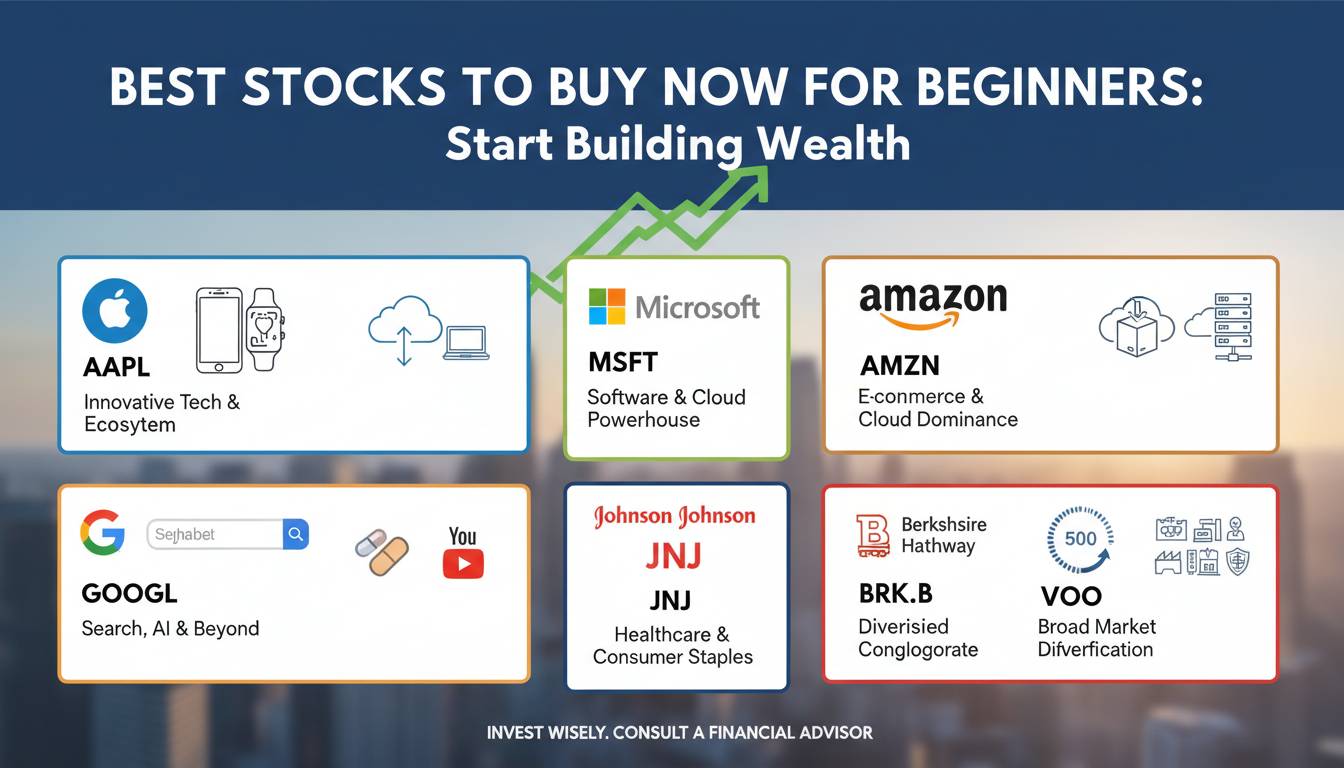
Starting with basic investment instruments like index funds or blue-chip stocks, gradually expanding knowledge, and maintaining realistic expectations about returns and risks will serve investors well on their wealth-building journey. As with any skill, mastery comes with practice and experience. The most successful investors are those who treat investing as a continuous learning process, staying informed about market developments while maintaining the discipline to stick to their long-term plans despite short-term market fluctuations.
Frequently Asked Questions
What is the minimum amount required to start investing in the Indian stock market?
You can start investing in the Indian stock market with as little as ₹500 through systematic investment plans (SIPs) in mutual funds or by purchasing fractional shares of stocks offered by some brokerage platforms. However, for direct stock investing, it is advisable to start with an amount you can afford to invest for at least 3-5 years without needing immediate access.
How do I choose which stocks to invest in?
Selecting stocks requires analyzing companies through fundamental factors such as earnings growth, revenue trajectory, profit margins, debt levels, management quality, and competitive positioning. Beginners should start with well-established companies (blue-chip stocks) in sectors they understand, gradually expanding their knowledge base. Using reliable research reports from SEBI-registered analysts and avoiding stock tips from unreliable sources is essential.
What is the difference between the NSE and BSE?
Both are Indian stock exchanges where securities are traded. The National Stock Exchange (NSE) was the first dematerialized electronic exchange in India and hosts the Nifty 50 index. The Bombay Stock Exchange (BSE) is Asia’s oldest exchange and hosts the Sensex index. From a practical standpoint, both exchanges offer similar trading opportunities, though some stocks may trade more actively on one exchange over the other.
Are stock market investments safe?
Stock market investments carry inherent risks, including the possibility of losing your entire investment if a company fails. However, investing in well-researched companies and maintaining a diversified portfolio significantly reduces risk. The Indian market is regulated by SEBI, which enforces strict disclosure requirements and market conduct rules to protect investor interests. Historical evidence shows that long-term equity investments have outperformed most other asset classes.
What are dividends, and how do they work?
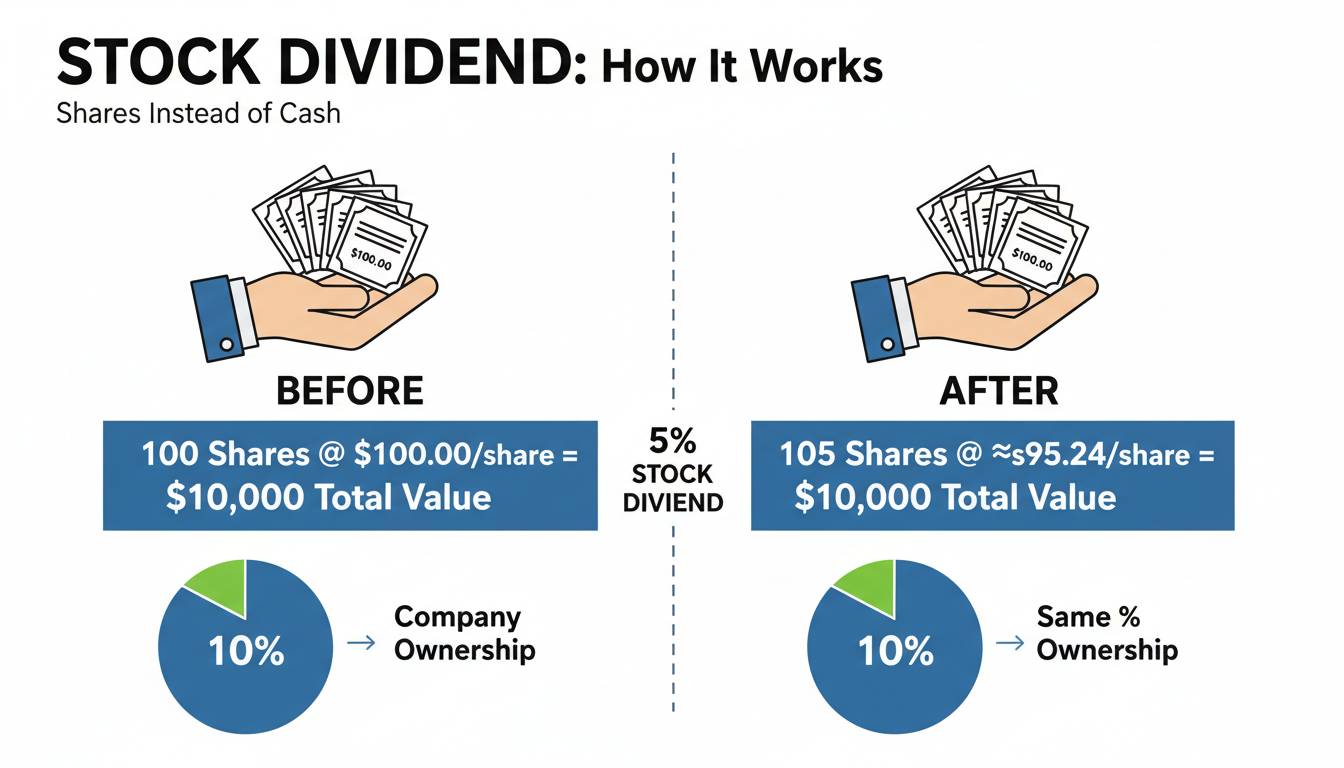
Dividends are portions of a company’s profits distributed to shareholders, typically on a quarterly or annual basis. Not all companies pay dividends—growth-oriented companies often reinvest profits instead. Dividend payments are not guaranteed and depend on company performance and board decisions. Investors can opt for dividend reinvestment plans (DRIPs) or receive cash payouts, depending on their preference.
How are stock market returns taxed in India?
Long-term capital gains (from investments held for more than one year) exceeding ₹1 lakh are taxed at 10% without indexation benefit. Short-term capital gains (from investments held for one year or less) are taxed at 15%. Dividends received are added to your total income and taxed according to your applicable income tax slab. These tax rules are subject to changes, and consulting a tax professional is recommended for personalized advice.