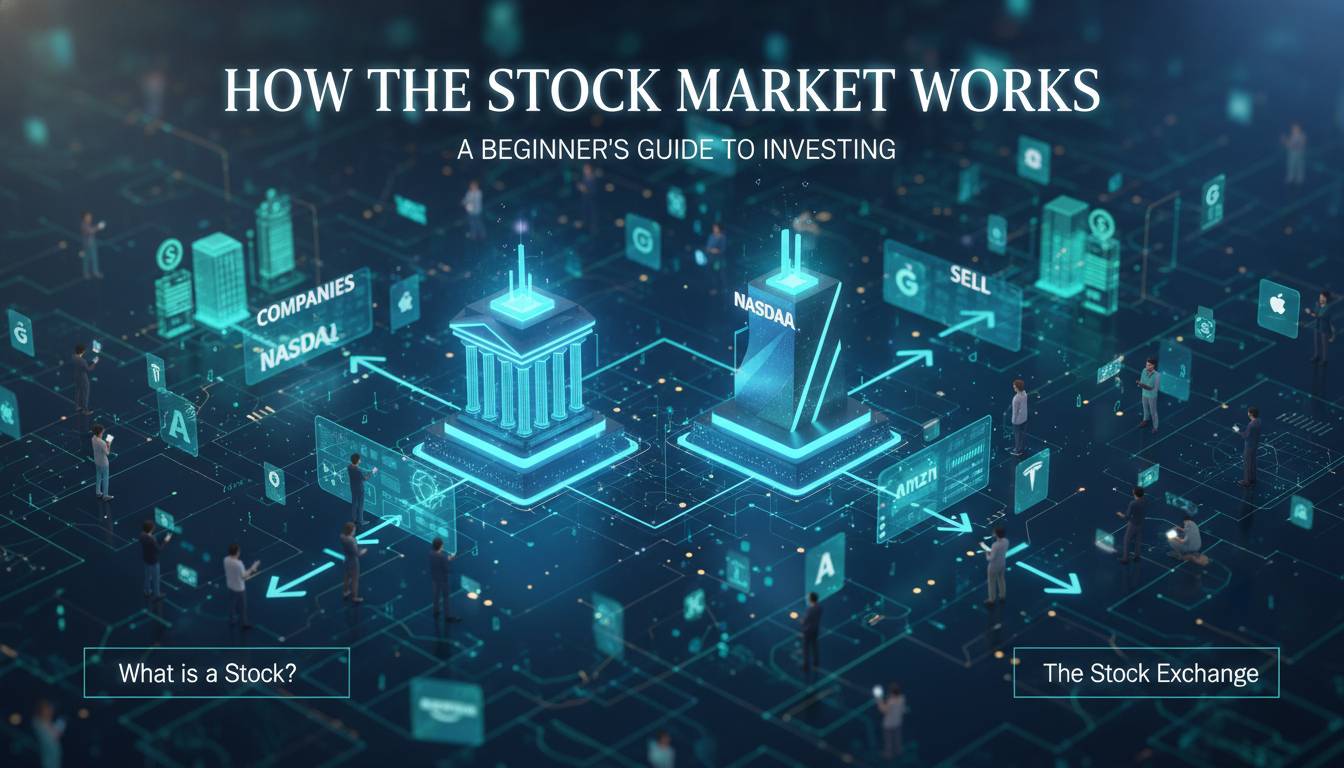


Stocks represent ownership shares in a company. When you buy a stock, you become a partial owner of that business, entitled to a share of its profits and assets. Stock investing is one of the most popular ways to build wealth over time, offering potential for both income and capital appreciation. This guide covers everything Indian investors need to know about stocks, from basic concepts to practical investing strategies.
📊 KEY STATS
• India’s stock market capitalization reached $3.9 trillion in 2024
• Over 100 million Indians actively trade or invest in stocks
• The Sensex has delivered ~12% average annual returns over the past 30 years
• Only 3% of India’s population invests directly in equities
• 78% of retail investors in India prefer equity mutual funds over direct stock investing
Key Takeaways
• Ownership: Buying stocks makes you a company shareholder with voting rights
• Risk & Reward: Higher potential returns come with higher risk compared to fixed deposits
• Market Platforms: Indian stocks trade primarily on NSE and BSE
• Demat Account: Required for holding stocks in electronic format
• Long-term Focus: Historical data shows stocks outperform other assets over 10+ years
What Are Stocks? A Complete Definition
A stock (also called equity or share) is a financial instrument that represents ownership in a company. When a company issues stocks, it raises capital from investors in exchange for a portion of ownership. These shares trade on stock exchanges, and their prices fluctuate based on company performance, market conditions, and investor sentiment.
In India, stocks are issued by companies listed on recognized stock exchanges like the National Stock Exchange (NSE) and Bombay Stock Exchange (BSE). The Securities and Exchange Board of India (SEBI) regulates all stock market activities to protect investor interests and maintain fair trading practices.
How Stock Ownership Works
When you purchase shares of a company, you receive:
Ownership Rights:
• Voting rights at shareholder meetings
• Right to receive dividends (if declared)
• Entitlement to company assets in case of liquidation
• Access to annual reports and financial information
Types of Stock Ownership:
• Physical Certificates: Rare in modern investing (replaced by electronic holding)
• Demat Holding: Electronic format mandated in India since 1996
• Nominee Holder: Third party designated to manage shares if the owner passes away
💡 FACT: The first company listed on the BSE was The Native Share and Stock Brokers’ Association in 1875, which later became the Bombay Stock Exchange—one of Asia’s oldest stock exchanges.
How Stock Prices Move
Stock prices are determined by market forces of supply and demand. When more investors want to buy a stock than sell it, the price rises. Conversely, when selling pressure exceeds buying interest, prices fall.
Factors Affecting Stock Prices:
• Company earnings and financial performance
• Economic conditions and GDP growth
• Government policies and regulations
• Industry trends and competition
• Global market sentiment
• Interest rate changes by RBI
How Stock Markets Work in India
India has two major stock exchanges: the National Stock Exchange (NSE), established in 1992 and operational since 1994, and the Bombay Stock Exchange (BSE), which traces its origins to 1875. Both exchanges use electronic trading systems and follow SEBI regulations.
The Trading Process
Step 1: Opening a Demat and Trading Account
To invest in stocks, Indian investors must open:
• Demat Account: Holds shares in electronic form (through Depository Participants like CDSL or NSDL)
• Trading Account: Enables buying and selling of shares (through brokers registered with SEBI)
Step 2: Placing an Order
Investors can place different types of orders:
• Market Order: Buy/sell immediately at current market price
• Limit Order: Buy/sell only at specified price or better
• Stop-Loss Order: Triggers sale when price falls to a predetermined level
Step 3: Trade Settlement
Indian stock markets follow T+1 settlement cycle, meaning trades are settled the next trading day. The exchange acts as a counterparty, ensuring all transactions are completed smoothly.
Key Market Indices in India
| Index | Description | Components |
|---|---|---|
| Sensex | BSE’s 30-stock benchmark | Top 30 large-cap companies |
| Nifty 50 | NSE’s 50-stock benchmark | Top 50 large-cap companies |
| Nifty Midcap 50 | Mid-cap segment | 51-100 by market cap |
| Nifty Smallcap 100 | Small-cap companies | 101-200 by market cap |
Benefits of Investing in Stocks
Stock investing offers several advantages that make it attractive for building long-term wealth, particularly in India’s growing economy.
Potential for High Returns
Historically, equities have outperformed most other asset classes over long periods. The Indian stock market has delivered impressive returns, with the Sensex growing from around 1,000 points in 1990 to over 80,000 points by 2024—a compound annual growth rate exceeding 15%.
| Asset Class | 10-Year Average Returns (India) |
|---|---|
| Stocks (Sensex) | ~12% |
| Equity Mutual Funds | ~10-11% |
| Gold | ~8% |
| Fixed Deposits | ~6-7% |
| Savings Accounts | ~3-4% |
Source: SEBI, BSE, 2024
Key Advantages
Wealth Creation:
• Beat inflation over long periods
• Potential for capital appreciation
• Dividend income from profitable companies
Ownership Benefits:
• Participate in company growth
• Voting rights on important decisions
• Access to shareholder perks in some companies
Flexibility:
• Invest with relatively small amounts (some stocks under ₹100)
• Easy to buy and sell during market hours
• Various investment strategies possible
📈 CASE STUDY: An investor who bought ₹1 lakh worth of HDFC Bank shares in 2005 would have seen their investment grow to over ₹25 lakh by 2024, representing a 2,400% return including dividends.
Types of Stocks Every Investor Should Know
Understanding different stock categories helps in building a diversified portfolio suited to your risk tolerance and financial goals.
By Market Capitalization
| Category | Market Cap | Risk Level | Examples |
|---|---|---|---|
| Large-Cap | Above ₹20,000 crore | Lower | TCS, Reliance, HDFC Bank |
| Mid-Cap | ₹5,000-20,000 crore | Medium | Bandhan Bank, IDFC First |
| Small-Cap | Below ₹5,000 crore | Higher | Many emerging companies |
By Share Class
Equity Shares:
• Most common type of stock
• Full voting rights
• Dividend based on company performance
Preference Shares:
• Fixed dividend payment
• Priority over equity shareholders for dividend and liquidation
• Generally no voting rights
By Industry Sector
Technology: TCS, Infosys, Wipro
Finance: HDFC Bank, ICICI Bank, SBI
Energy: Reliance Industries, ONGC
Pharmaceuticals: Sun Pharma, Dr. Reddy’s
Consumer Goods: Hindustan Unilever, ITC
How to Start Investing in Stocks in India
Starting your stock investment journey involves several straightforward steps.
Prerequisites
- ✅ Age: Must be 18 years or above
- ✅ PAN Card: Mandatory for all stock market transactions
- ✅ Bank Account: For fund transfers
- ✅ Aadhaar: For KYC verification (most cases)
- ✅ Demat Account: Through a Depository Participant
- ✅ Trading Account: Through a SEBI-registered broker
Steps to Start Investing
1. Complete KYC Documentation
Submit identity proof, address proof, PAN card, and photograph to your broker. Most brokers offer online KYC through video verification.
2. Open Demat and Trading Account
Choose between full-service brokers (provides research, advice) or discount brokers (lower brokerage, self-directed). Popular options include Zerodha, Upstox, ICICI Direct, HDFC Securities, and Angel One.
3. Fund Your Account
Transfer money from your bank account to your trading account. Most brokers offer UPI and net banking options.
4. Research Stocks
Before buying:
• Review company financials and annual reports
• Check historical price performance
• Analyze peer comparison
• Read analyst recommendations
• Understand business model and growth prospects
5. Place Your First Order
Start with a small investment in a fundamentally strong company. Consider using limit orders to control purchase prices.
Cost Considerations
| Charge Type | Typical Range |
|---|---|
| Brokerage | 0.03% – 0.50% per trade |
| STT (Securities Transaction Tax) | 0.1% on buy/sell |
| GST | 18% on brokerage |
| Demat Charges | ₹300 – ₹500 per year |
| Stamp Duty | 0.015% on buy side |
Common Mistakes to Avoid
Indian retail investors often make predictable errors that can significantly impact their returns. Avoiding these mistakes improves long-term investment success.
| Mistake | Impact | Solution |
|---|---|---|
| No Research | 📉 40% higher loss risk | Research before every purchase |
| Emotional Trading | 📉 Buying high, selling low | Stick to investment plan |
| Overtrading | 📉 High transaction costs | Limit trades to 10-12 per month |
| Ignoring Diversification | 📉 Portfolio volatility | Invest across 15-20 stocks |
| Chasing Tips | 📉 Potential fraud/losses | Make informed decisions |
| No Stop-Loss | 📉 Uncapped losses | Use stop-loss orders |
⚠️ CRITICAL: Never invest money you cannot afford to lose. Stock investing involves risk, and past performance does not guarantee future results.
Prevent These Behaviors:
• Avoid checking portfolio daily (causes emotional decisions)
• Don’t allocate more than 10% in any single stock
• Never follow unverified stock tips on social media
• Avoid timing the market—time in the market beats timing the market
Expert Insights on Stock Investing
👤 Dr. Ravi Kumar, Chief Investment Officer at ICICI Prudential AMC
“Systematic Investment Plans (SIPs) in stocks work excellently for Indian investors. By investing regularly regardless of market conditions, you benefit from rupee-cost averaging and avoid the emotional pitfalls of market timing.”
👤 Sanjay Bhasin, Senior Financial Analyst at NSE
“Indian market offers tremendous growth potential given our demographic advantages and economic expansion. Young investors should start early and stay invested for at least 7-10 years to see meaningful wealth creation.”
📊 BENCHMARKS FOR SUCCESSFUL INVESTING
| Metric | Average Investor | Top 10% Investors |
|——–|——————|——————-|
| Holding Period | 6-12 months | 5+ years |
| Portfolio Turnover | 80% annually | 15% annually |
| Returns | 8-9% | 15%+ |
| Diversification | 5-8 stocks | 20+ stocks |
Essential Tools for Indian Stock Investors
| Tool | Cost | Purpose | Rating |
|---|---|---|---|
| ** Zerodha Kite** | Free | Trading platform | ⭐⭐⭐⭐⭐ |
| Upstox Pro | Free | Advanced charting | ⭐⭐⭐⭐ |
| Moneycontrol | Free | Market news & data | ⭐⭐⭐⭐⭐ |
| Screener.in | Free | Fundamental analysis | ⭐⭐⭐⭐ |
| Trendlyne | Free | Stock screening | ⭐⭐⭐⭐ |
Recommended Approach:
Start with a reliable broker’s platform and use free tools for research. Moneycontrol provides comprehensive Indian market data, while Screener.in offers detailed fundamental analysis. Use these before making investment decisions.
Frequently Asked Questions
Q1: What is the minimum amount needed to start investing in stocks?
You can start investing in Indian stocks with as little as ₹500-₹1,000. Many brokerages allow you to buy fractional shares of companies with small amounts. However, building a diversified portfolio typically requires ₹25,000-₹50,000 to start meaningfully.
Q2: How do I choose which stocks to buy?
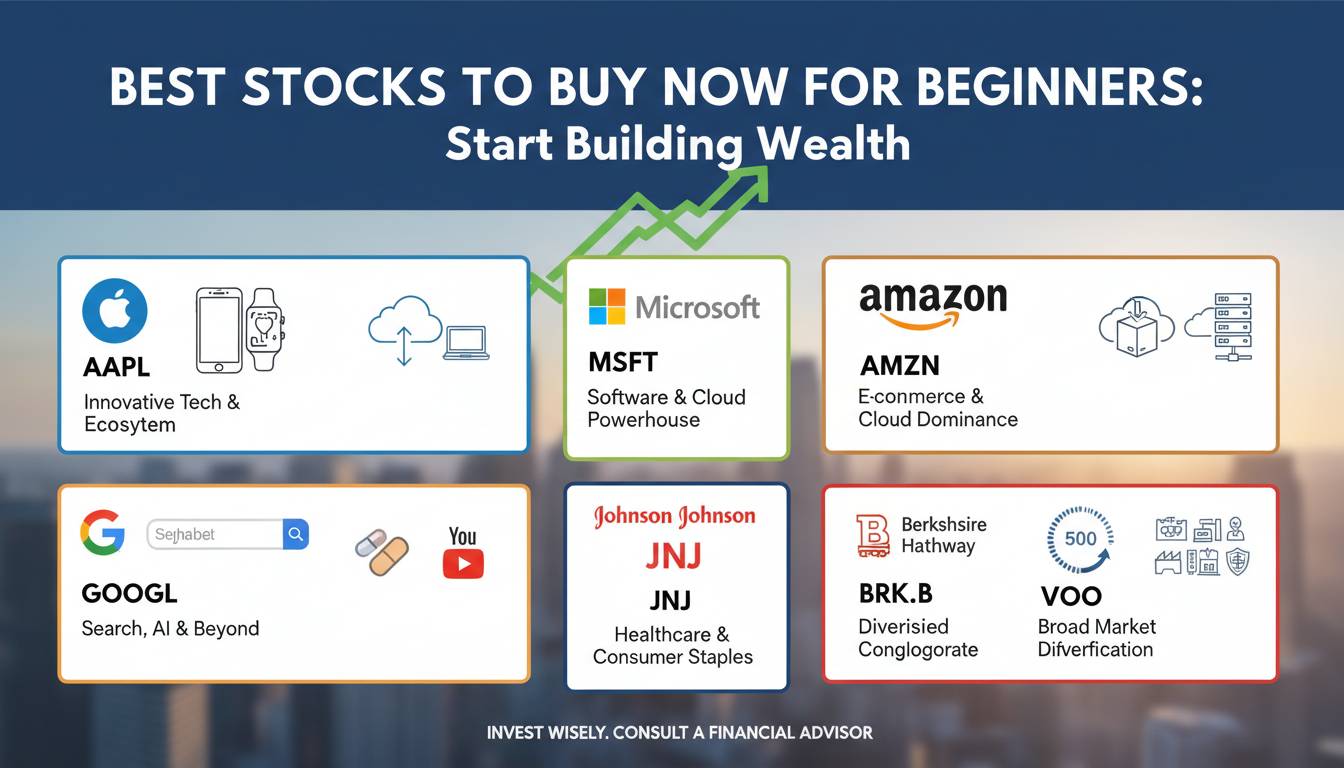
Focus on companies with strong fundamentals: consistent earnings growth, healthy debt levels, competent management, and competitive advantages. Look for reasonable valuations (P/E ratio compared to industry average), good corporate governance, and alignment with your investment horizon. Blue-chip stocks like HDFC Bank, TCS, and Reliance are popular choices for beginners.
Q3: Is stock investing safe?
Stock investing carries inherent risks—prices can fall due to company performance, economic conditions, or market sentiment. However, investing in fundamentally strong companies and holding for long periods significantly reduces risk. Diversification across sectors and regular monitoring also help manage risks. SEBI regulations provide investor protection, but ultimate risk lies with the investor.
Q4: What is the difference between BSE and NSE?
Both are Indian stock exchanges with similar functionality. BSE (Bombay Stock Exchange) is older (1875) with over 5,000 listed companies, while NSE (National Stock Exchange) was established in 1992 and has electronic trading advantages. Prices are largely similar on both; you can trade on either through your broker.
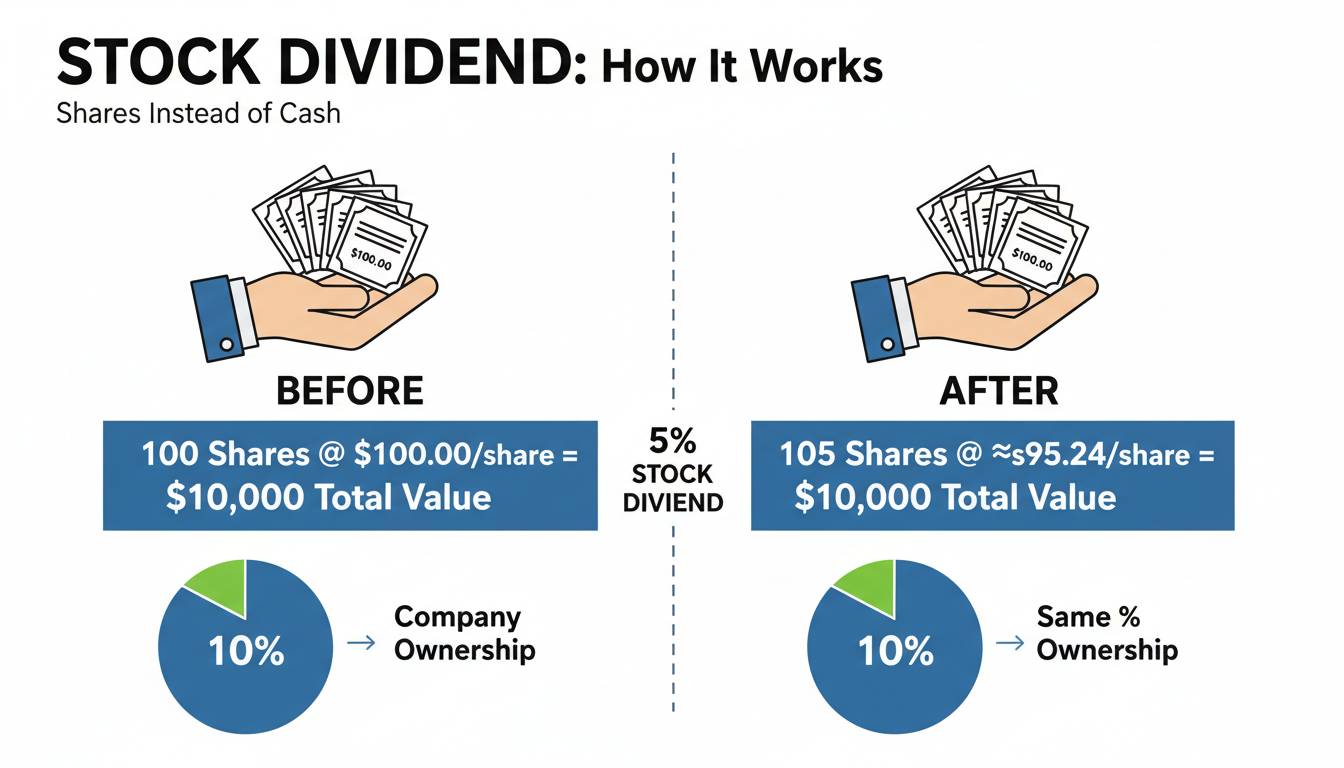
Q5: How do dividends work in stocks?
When companies make profits, they may distribute a portion to shareholders as dividends. Not all companies pay dividends—some reinvest profits for growth. Dividend yield is calculated as annual dividend per share divided by stock price. Companies like TCS, Hindustan Unilever, and ONGC are known for consistent dividend payments.
Q6: Can I lose all my money in stocks?
While unlikely with diversified, quality stock investments, you can lose significant money if a company goes bankrupt or stock prices collapse. To minimize this risk: diversify across sectors, invest in fundamentally strong companies, use stop-loss orders, avoid over-concentration, and maintain a long-term perspective. Never invest money you cannot afford to lose.
Conclusion
Stock investing remains one of the most effective ways to build long-term wealth in India. With the country’s strong economic growth trajectory, young demographic profile, and increasing financialization of savings, equities offer compelling opportunities for patient investors.
Key takeaways for beginners: start with thorough research, open a demat account with a reliable broker, invest in fundamentally strong companies, maintain diversification, and focus on long-term wealth creation rather than short-term gains. Remember that consistent investing through market ups and downs, rather than trying to time the market, historically leads to better outcomes.
The Indian stock market offers tremendous potential for those willing to learn and stay disciplined. Begin your investment journey today, but always invest within your risk tolerance and financial capacity.