

The market rewards patience, but it punishes those who only look where everyone else is looking. After years of concentrated gains in mega-cap technology stocks, the landscape is shifting in ways that should excite value investors. Interest rates appear to be peaking or plateauing, certain sectors have been left behind despite solid fundamentals, and the broader market has broadened significantly since late 2024.
What follows isn’t a list of the cheapest stocks by raw multiple—plenty of cheap stocks deserve to be cheap. These are industries where the market has thrown out legitimate fundamentals along with the noise, creating genuine openings for those willing to do the work. I’ve prioritized sectors where structural demand meets current dislocation, and where individual companies have balance sheets strong enough to survive whatever short-term pressure exists.
A quick note before we dive in: I’m writing this from the perspective of someone who builds portfolios for a living. These are industries worth researching, not securities to buy blindly. Due diligence still applies.
1. Regional Banking — The Market Overshot
Regional banks have been crushed since early 2023, and the overhang from commercial real estate concerns still weighs on the entire group. But here’s what the narrative misses: not all regional banks have meaningful CRE exposure, and many have been actively reducing their portfolios for years.
Why it’s undervalued now: The KBW Regional Banking Index traded at roughly 0.8x book value as of late 2024, compared to 1.4x historical averages. That’s a discount pricing in a systemic crisis that most banks simply won’t experience. Yes, some CRE loans will go bad. No, it won’t collapse the system the way 2008 did—these are well-capitalized institutions with diversified revenue streams.
Specific opportunity: First Republic’s failure in 2023 was an outlier driven by unique deposit concentration issues, not a template for the industry. Banks like Fifth Third Bancorp (FITB), M&T Bank (MTB), and KeyCorp (KEY) have diversified loan books, strong deposit franchises, and are trading at multiples that assume things will go wrong.
The catch: Net interest margin compression is real, and if the economy softens further, credit quality will deteriorate. This isn’t a risk-free play. But the market has priced in a scenario far worse than the base case.
2. Energy Infrastructure — Behind the Oil Volatility
Pipeline operators, midstream MLPs, and infrastructure companies have been out of favor since 2022 despite generating steady cash flows that have little to do with the spot price of crude. The market conflates energy infrastructure with energy prices, and that confusion creates the opening.
Why it’s undervalued now: Enterprise Products Partners (EPD) and Kinder Morgan (KMI) both trade at yields above 6% with distribution coverage ratios above 1.2x. These are businesses with long-term take-or-pay contracts that generate predictable cash flows regardless of whether WTI trades at $70 or $90. The selloff in late 2024 was driven by fears of slowing demand, not by any change in the underlying contracts.
Specific opportunity: Magellan Midstream Partners (MMP) was acquired in 2023 at a premium, but players like Energy Transfer (ET) and Williams Companies (WMB) continue to trade at discounts to their intrinsic value. The midstream space consolidates slowly but surely, and the larger players are acquiring smaller assets at attractive multiples.
The counterintuitive point: Most value investors avoid energy because it’s “sin stock” territory or because they don’t want to bet on commodity prices. Energy infrastructure isn’t a bet on oil—it’s a bet on the continued movement of molecules that get pulled out of the ground regardless of price. That distinction gets lost in the noise.
3. Healthcare Facilities — Demographic Tailwinds Meet Political Noise
Hospitals and healthcare systems have been caught in a perfect storm of cost inflation, labor shortages, and regulatory uncertainty. But the fundamentals haven’t changed: an aging population needs more healthcare, and these facilities have pricing power that gets overlooked in the current anxiety.
Why it’s undervalued now: Tenet Healthcare (THC) and Universal Health Services (UHS) both traded at forward P/E ratios in the high single digits as of late 2024, despite demonstrating strong procedural volumes and successfully managing through the worst of the post-pandemic normalization. The market is pricing in a scenario where margins stay compressed forever, when in reality, labor costs are stabilizing and volume trends are improving.
Specific opportunity: HCA Healthcare (HCA), the largest for-profit hospital operator, has consistently generated returns on capital above 15% and trades at a discount to its historical multiple. The company operates in markets with favorable demographics and has demonstrated pricing power that transcends political rhetoric about healthcare costs.
What most articles get wrong: People lump all healthcare together and focus on pharma or biotech, where pipeline risk dominates. Hospitals are different—they’re more like utilities with pricing power. The political noise around “Medicare for All” or drug pricing reforms gets priced in even though the probability of anything truly damaging passing is low, and the actual impact on hospital operators would be modest even if something did pass.
4. Property & Casualty Insurance — The Hard Market Cycle
After years of soft pricing, the insurance industry has been in a hardening cycle since 2020, with rates rising and insurers gaining pricing power. But the market hasn’t fully rewarded this yet, particularly for regional and specialty carriers that don’t have the brand recognition of the mega-cap insurers.
Why it’s undervalued now: Travelers (TRV) and Chubb (CB) are fairly priced, but smaller players like W.R. Berkley (BERK), Markel (MKL), and American Financial Group (AFG) trade at discounts to their tangible book value despite generating combined ratios below 100%. Combined ratio below 100% means they’re making an underwriting profit before investment income even factors in.
Specific opportunity: Cincinnati Financial (CINF) has a solid model—it writes regional commercial property coverage, builds deep agent relationships, and has consistently generated underwriting profits through cycles. It trades at about 1.3x book, which is reasonable but not expensive for a company that’s demonstrated 15%+ returns on equity over decades.
The limitation: Catastrophe exposure is real, and a major hurricane season or wildfire year can blow up results. This isn’t a risk-free business. But the current pricing environment is favorable, and the market is giving away optionality worth more than the current price suggests.
5. Small-Cap Industrials — The Market Ignores What’s Not in the Index
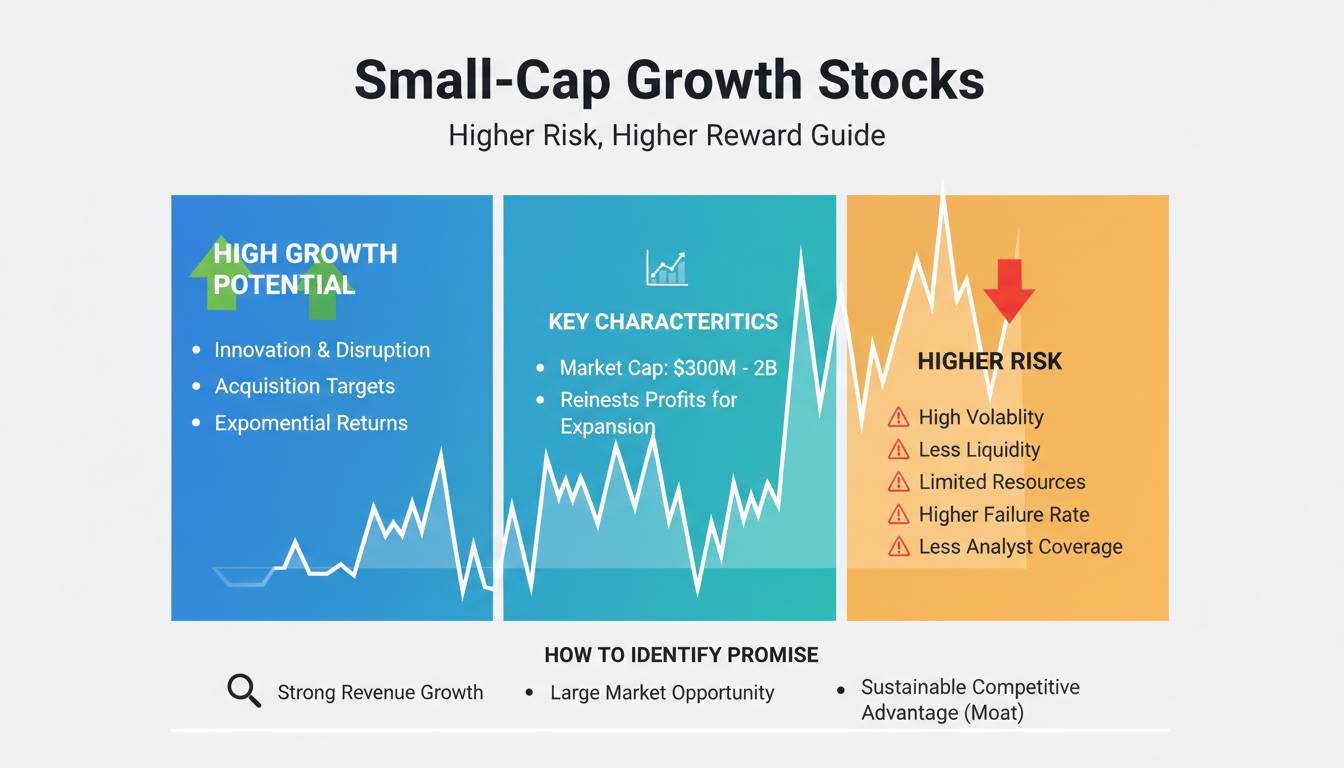
Large-cap industrials like Caterpillar and United Rentals get coverage, but the small-cap industrial space is largely abandoned by Wall Street. There are dozens of companies with $500 million to $5 billion market caps that generate solid cash flows and serve niche end markets, and they trade at multiples that would have been unthinkable a decade ago.
Why it’s undervalued now: The Russell 2000 Index traded at a significant discount to the S&P 500 on a forward P/E basis as of late 2024. Small-caps have been left behind as index funds and ETFs concentrate in the largest names. This creates inefficiency—active managers can find legitimate businesses trading at 10-12x earnings that deserve to trade at 15-18x.
Specific opportunity: Companies like SiteOne Landscape Supply (SITE), which serves the commercial landscaping market, or Valmont Industries (VMI), which makes infrastructure equipment, have dominant positions in their niches and generate returns on invested capital above 15%. Both have been pressured by cyclical concerns but have strong fundamentals.
The honest admission: Picking individual small-caps is harder than picking large-caps because coverage is thinner and information is less available. That’s exactly why the market misprices them. If you’re not willing to do the fundamental work, buying a small-cap value ETF like iShares MSCI USA Small-Cap Value Factor ETF (SMLV) is a reasonable alternative that captures the beta of this inefficiency without requiring stock-level research.
6. Restaurants — The Digital Transformation Is Real
The restaurant industry got crushed in 2023-2024 as inflation pressured margins and the consumer slowed spending. But the shakeout has been uneven, and quality operators with strong unit economics are trading at levels that assume bankruptcy-level outcomes.
Why it’s undervalued now: Darden Restaurants (DRI), which operates Olive Garden, LongHorn, and several other concepts, trades at a P/E multiple that’s compressed despite demonstrating consistent same-store sales growth and successful cost management. The market is treating all restaurants as if they’re facing the same headwinds, when in reality, brands with strong consumer loyalty and operational leverage are winning share.
Specific opportunity: Texas Roadhouse (TXRH) has been a consistent comp-store growth performer and trades at a discount to its historical multiple. Brinker International (EAT), which owns Chili’s and Maggiano’s, went through a rough patch but has reorganized and now trades at an attractive valuation given its brand strength.
The risk: Labor costs keep rising, and the consumer is showing signs of strain. Some restaurant concepts simply won’t survive the next few years. But the market is throwing out good businesses with the bad, and patient investors can buy quality at distressed prices.
7. Telecom and Cable — Boring Is Beautiful
No one gets excited about telecom stocks. That’s precisely why they’re undervalued. The market is looking for growth, and telecom is a mature industry. But mature industries with strong cash flows and rational competition can generate excellent returns, particularly when they trade at yields that are competitive with bonds.
Why it’s undervalued now: Verizon (VZ) and AT&T (T) both yield above 6%, and T-Mobile (TMUS) trades at a premium but deserves it given its growth profile. The cable companies—Comcast (CMCSA) and Charter Communications (CHTR)—have been pressured by cord-cutting concerns but still generate significant free cash flow.
Specific opportunity: Verizon has been boring for a decade, but the network investment cycle is maturing, and capital returns to shareholders should increase. At current yields, you’re getting paid to wait. If the company executes on its 5G investment, the upside is meaningful; if it doesn’t, you’re still earning a 6%+ yield while waiting.
Counterintuitive point: Most value investors avoid dividend-heavy telecoms because they view them as “yield traps.” But a 6.5% yield from a company with a strong balance sheet and manageable debt load isn’t a trap—it’s income. The market’s disdain for boring businesses creates the opportunity.
8. Aerospace and Defense — Cycle Misperception
Defense spending is political, which makes investors nervous. But the reality is that geopolitical tensions have increased defense budgets across NATO, and the modernization cycles for aircraft, naval vessels, and missiles are multi-year tailwinds. The market keeps treating defense as a political football, when it’s actually a structural growth story.
Why it’s undervalued now: Lockheed Martin (LMT) and Raytheon (RTX) have strong fundamentals, but the market pricing reflects constant political uncertainty. Meanwhile, smaller defense primes like L3Harris Technologies (LHX) and Northrop Grumman (NOC) trade at multiples that don’t reflect the visibility of their backlogs.
Specific opportunity: Heico (HEI) is a fascinating company—it makes niche aerospace components and has consistently grown earnings at double-digit rates while maintaining high margins. It’s less exposed to the big program delays that affect the primes and more exposed to the aftermarket and replacement cycle. It’s also less well-known, which keeps the multiple compressed.
The limitation: Defense stocks can be volatile around budget negotiations, and individual programs do get cancelled. But the aggregate spending is remarkably stable, and the companies with diversified portfolios and strong positions on critical programs will continue to win.
9. Mortgage REITs — Rate Volatility Creates Opportunity
Mortgage REITs got crushed in 2022 when rates spiked, partially recovered in 2023, and have been volatile since. But this is a space where the market consistently misprices the impact of rate movements, and patient investors can earn attractive yields while waiting for the environment to normalize.
Why it’s undervalued now: Annaly Capital Management (NLY) and AGNC Investment Corp. (AGNC) both yield above 10%, and their book values have stabilized after the rate shock. The market prices in a scenario where rates stay “higher for longer,” which punishes duration-exposed assets, but rates will eventually normalize, and when they do, these names will perform.
Specific opportunity: Both Annaly and AGNC have actively managed their portfolios to reduce rate sensitivity, and their dividend coverage has improved. At current prices, you’re earning a double-digit yield while waiting for a catalyst that will likely arrive within a few years.
What you need to understand: mREITs are levered bets on the spread between mortgage rates and funding costs. They’re not for the faint of heart, and the income isn’t guaranteed—dividends can fluctuate. But the current yield compensates you for that volatility, and the underlying collateral is residential mortgages, which have performed remarkably well even through stress periods.
10. Discount Retail — Consumer Pressure Is Overpriced
Dollar stores and discount retailers have been pressured by concerns about the consumer’s health and by specific company-level issues (Dollar Tree’s (DLTR) inventory problems in 2023). But the reality is that consumers are trading down, not out, and the discount retail channel is winning market share.
Why it’s undervalued now: Dollar General (DG) and Dollar Tree both trade at P/E multiples in the mid-teens despite serving consumer segments that are actually gaining share during periods of economic stress. Dollar General’s footprint in rural America is unmatched, and the company has been investing heavily in store improvements and inventory management.
Specific opportunity: Dollar Tree’s Family Dollar combination has been a headache, but the underlying assets are valuable. At current prices, you’re getting the discount retail platform essentially for free while the market assigns zero value to the broader footprint. That’s asymmetric—either the company fixes the problems and the stock rerates, or the assets are worth more to a strategic buyer.
The honest admission: The consumer is weakening, and that could pressure same-store sales. This is a risk. But discount retailers have historically performed relatively well during recessions because consumers shift spending toward value formats. The current selloff may be overpricing the downside.
The Common Thread
Every industry on this list shares a few characteristics worth noting: the market is pricing in a worst-case scenario that won’t materialize for most of these businesses, the underlying fundamentals are stronger than the stock prices suggest, and in each case, the structural demand drivers haven’t changed—they’ve just been temporarily forgotten.
That’s what hidden value looks like. It’s not about finding the cheapest multiple or the most beaten-down story. It’s about finding situations where the market has disconnected from the underlying business, where the risks are understood and priced in, and where the upside optionality isn’t being recognized.
Where This Gets Interesting
The tricky part is timing. These industries can stay undervalued for longer than anyone expects—value investing requires patience, and there’s a reason the “value premium” exists. You’re compensated for bearing the risk that the market takes years to recognize what you see today.
What concerns me about the current environment is the concentration in large-cap technology stocks. The “Magnificent Seven” (or whatever they’re calling it now) have driven index returns, and breadth has improved since late 2024, but the valuation differentials between the most loved and most hated parts of the market are extraordinary. That gap tends to close, but not on anyone’s schedule.
If I were building a value portfolio today, I’d start with regional banks and insurance—those are the sectors where the dislocation is most pronounced and the fundamentals are most misunderstood. Then I’d layer in energy infrastructure and telecom for yield. Finally, I’d add small-caps and discount retail for the optionality. That’s a portfolio that can withstand volatility and compound over time.
The market will do what the market does. But right now, the conditions exist for patient capital to do well. Whether you act on that is up to you.