
The Indian stock market offers remarkable opportunities for wealth creation, but navigating it requires understanding of fundamental concepts, market mechanisms, and strategic approaches. This comprehensive guide walks you through everything you need to know to begin your investment journey with confidence.
Understanding the Stock Market Basics
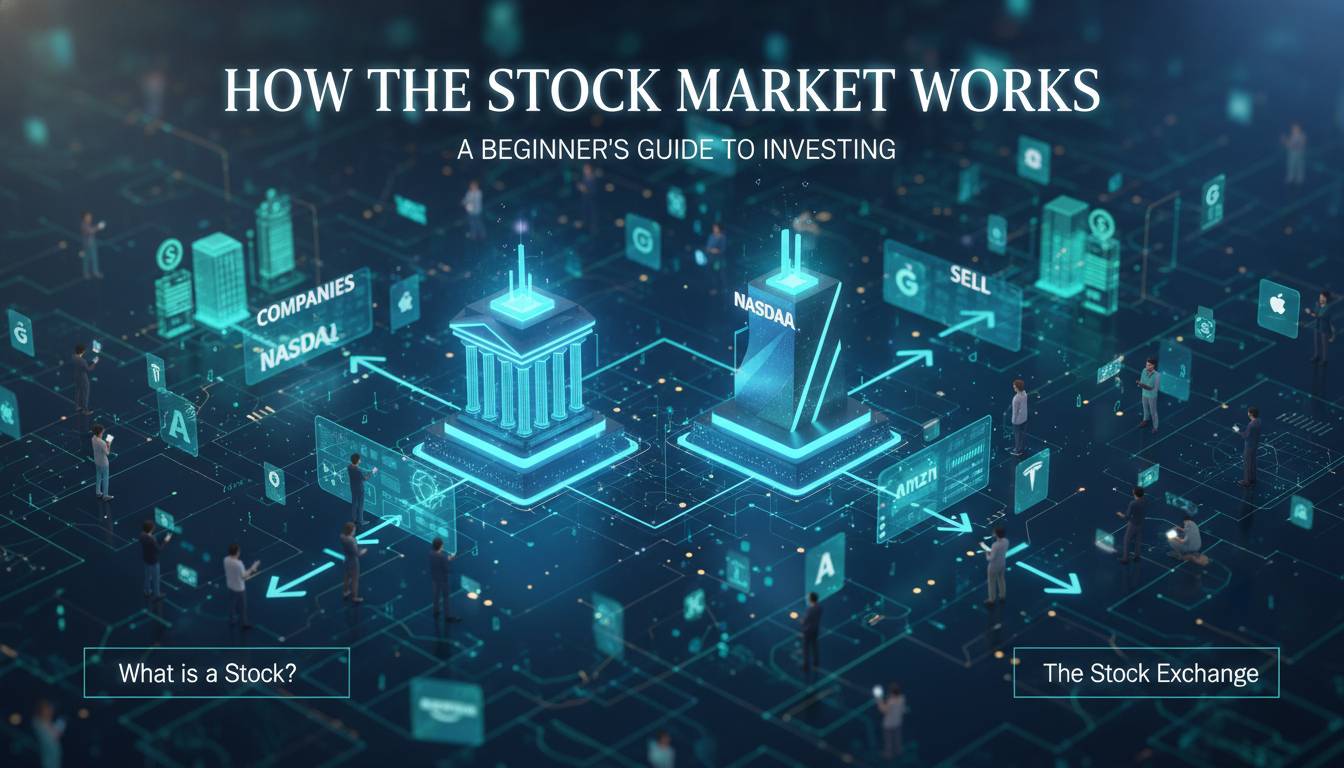
A stock market represents a marketplace where buyers and sellers trade shares of companies. In India, the two primary stock exchanges are the National Stock Exchange (NSE) and the Bombay Stock Exchange (BSE). The NSE was established in 1992 and began operations in 1994, while BSE, founded in 1875, holds the distinction of being Asia’s oldest stock exchange.
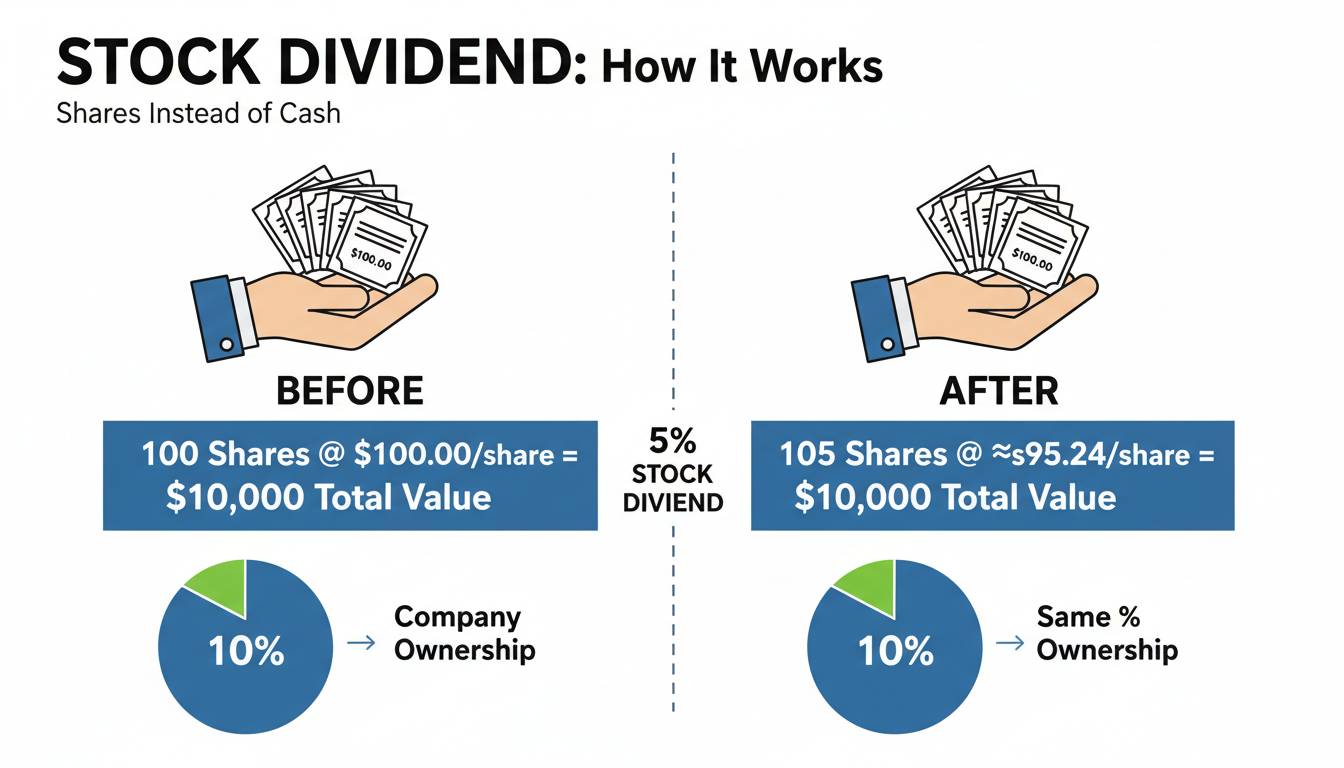
When you purchase a share, you acquire partial ownership in a company. This makes you a shareholder, entitled to a portion of the company’s profits (dividends) and voting rights during shareholder meetings. The value of your shares fluctuates based on company performance, market conditions, and economic factors.
The market operates through a process called trading. Companies list their shares through an Initial Public Offering (IPO), after which investors buy and sell these shares on the exchange. The Securities and Exchange Board of India (SEBI), established in 1992, regulates these markets to protect investor interests and maintain fair practices.
Understanding market indices helps you gauge overall market performance. The Nifty 50 comprises 50 major NSE companies, while the Sensex includes 30 leading BSE companies. These indices serve as barometers reflecting investor sentiment and economic health.
Types of Stocks You Should Know
Stocks generally categorize into two main types: equity shares and preference shares. Equity shares represent ownership and come with voting rights, while preference shares offer fixed dividends with priority during liquidation.
Further classification includes growth stocks and value stocks. Growth stocks belong to companies expected to grow faster than the market average, often reinvesting profits rather than paying dividends. Value stocks trade below their intrinsic worth, often from established companies with stable earnings.
Large-cap stocks belong to companies with market capitalization above ₹20,000 crore, typically offering stability but lower growth potential. Mid-cap companies (₹5,000-20,000 crore market cap) balance growth and risk, while small-cap stocks (below ₹5,000 crore) carry higher risk but potentially higher returns.
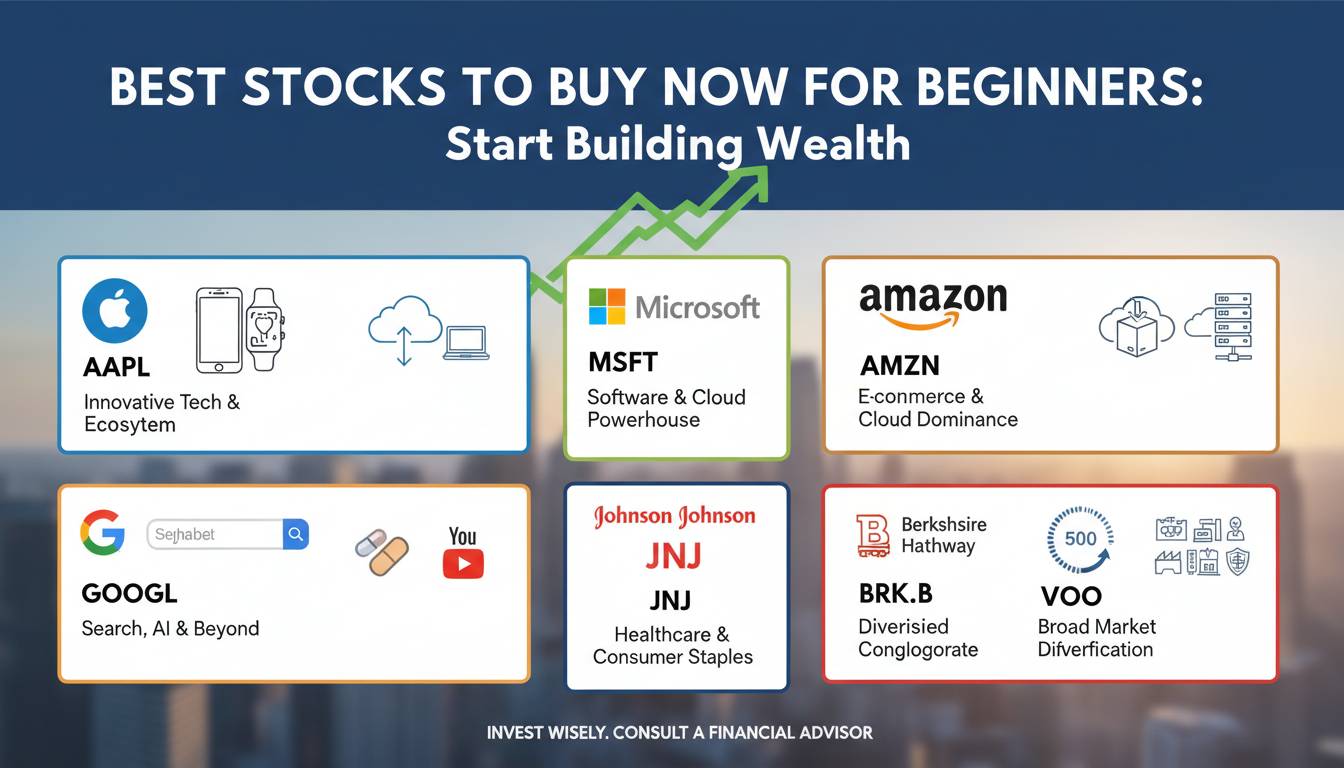
Blue-chip stocks refer to shares of financially sound, established companies with a history of reliable performance. In India, companies like Reliance Industries, Tata Consultancy Services, and HDFC Bank exemplify blue-chip stocks preferred by conservative investors.
How to Open a Demat and Trading Account
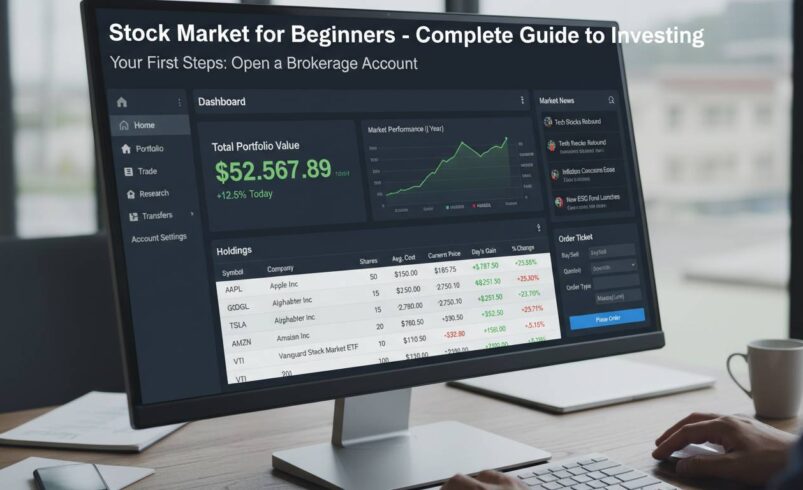
Before investing, you need to open a Demat account (for holding shares electronically) and a trading account (for buying and selling). The process has become streamlined through online platforms offered by various stockbrokers.
To begin, choose a SEBI-registered broker considering factors like brokerage charges, platform reliability, customer service, and research tools. Popular options include Zerodha, Upstox, ICICI Direct, HDFC Securities, and Angel One. Compare their fee structures—some offer flat-rate brokerage while others charge percentage-based fees.
The account opening process requires completing the Know Your Customer (KYC) procedure. This involves submitting identity proof (Aadhaar, PAN card, passport), address proof, bank account details, and completing in-person verification either physically or through video call.
Most brokers now offer paperless account opening through their mobile apps. You’ll need your PAN card, Aadhaar-linked mobile number, and bank details. The entire process typically completes within 24-48 hours, after which you receive login credentials to start trading.
Key Investment Strategies for Beginners
Systematic Investment Plan (SIP) represents one of the most recommended approaches for beginners. Just like recurring deposits, SIP allows you to invest fixed amounts regularly in mutual funds or directly in stocks. This strategy harnesses rupee-cost averaging—buying more units when prices fall and fewer when prices rise, reducing the impact of market volatility.
Diversification spreads your investments across different sectors and asset classes to minimize risk. Rather than putting all money in one stock, you should own 15-20 stocks across various sectors like banking, IT, pharma, FMCG, and infrastructure. This ensures poor performance in one sector doesn’t devastate your entire portfolio.
Value investing, popularized by Warren Buffett, involves buying quality stocks trading below their intrinsic value. Look for companies with strong fundamentals, consistent earnings, healthy debt levels, and competitive advantages—then wait for the market to recognize their true worth.
Growth investing focuses on companies showing above-average earnings growth potential. These stocks typically trade at higher price-to-earnings ratios but offer substantial capital appreciation if the company succeeds.
Understanding Market Orders and Trading
When placing trades, you must understand order types. Market orders execute immediately at the current market price. Limit orders let you specify the maximum price you’re willing to pay (buy) or minimum price to accept (sell). Stop-loss orders automatically trigger a sale when stock falls to a predetermined price, limiting potential losses.
The trading session in India operates from 9:15 AM to 3:30 PM, Monday to Friday, excluding market holidays. Pre-market session runs from 9:00-9:15 AM for order matching. Understanding settlement cycles is crucial—T+1 settlement means trades settle the next business day.
Never invest based on tips or rumors. Research thoroughly before every investment. Analyze company financials, quarterly results, debt levels, management quality, and industry outlook. Financial ratios like P/E (Price-to-Earnings), P/B (Price-to-Book), and ROE (Return on Equity) help assess valuation and efficiency.
Risk Management and Portfolio Protection
Never invest money you cannot afford to lose. The golden rule suggests investing only after creating an emergency fund covering 6-12 months of expenses. Avoid using borrowed money or emergency savings for stock market investments.
Position sizing limits how much of your portfolio goes into any single stock. Many experts recommend not allocating more than 5-10% of your portfolio to one stock. This prevents catastrophic losses if one investment fails.
Stop-loss discipline protects your capital. Always set stop-loss levels when buying stocks, typically 8-10% below your purchase price. This automatically limits losses if the stock moves unfavorably.
Regular portfolio review ensures your investments align with goals and risk tolerance. Rebalance periodically—perhaps annually—to maintain your desired asset allocation as markets fluctuate.
Tax Implications for Indian Investors
Understanding tax rules prevents surprises at tax filing time. Long-term capital gains (LTCG) from equity investments held over one year exceeding ₹1 lakh are taxed at 10% without indexation benefit. Short-term capital gains (STCG) from holdings under one year attract 15% tax rate.
Dividends received from Indian companies are taxable in your hands according to your income tax slab. However, dividend distribution tax (DDT) was removed in 2020, shifting the tax burden to individual investors.
Securities Transaction Tax (STT) applies to every equity transaction—0.1% on delivery-based purchases and 0.005% on intraday sales. These charges add to your trading costs and should factor into your investment decisions.
Frequently Asked Questions
What is the minimum amount needed to start investing in the Indian stock market?
You can start investing with as little as ₹500-₹1,000 through SIP routes in mutual funds or by purchasing fractional shares of certain stocks. However, it’s advisable to have at least ₹10,000-₹25,000 to build a diversified portfolio initially. Many brokers now offer zero-account opening charges and low brokerage making market entry accessible.
How do I choose which stocks to buy?
Start by understanding your risk tolerance and investment horizon. Look for companies with consistent earnings growth, manageable debt, strong management, and competitive positioning in their industry. Analyze financial ratios, read annual reports, and follow quarterly results. For beginners, blue-chip stocks and index funds offer good starting points before exploring individual stock selection.
Is stock market investing safe for beginners?
Stock market investing carries inherent risks, but beginners can minimize risks through education, diversification, systematic investing, and disciplined risk management. Starting with mutual funds or index funds provides exposure to the market with professional management. Never invest based on tips, and always understand what you’re buying before committing capital.
When is the best time to invest in the stock market?
Time in the market beats timing the market—consistency matters more than catching the perfect moment. Rather than waiting for the “right time,” start investing regularly through SIPs. Market downturns actually offer opportunities to buy quality stocks at lower valuations. Focus on long-term wealth creation rather than short-term gains.
What is the difference between NSE and BSE?
Both are Indian stock exchanges offering similar trading capabilities. NSE was the first dematerialized electronic exchange and has higher trading volumes. BSE is older and has more listed companies. For practical purposes, prices remain largely similar across both exchanges, and most investors can trade on either platform through their broker.
Do I need to pay GST or custom duties for stock investments?
No, GST does not apply to equity stock purchases. However, brokerage charges and demat account maintenance fees include GST. There are no custom duties on buying Indian stocks. For international stock investments through Indian platforms, different tax provisions may apply.
Conclusion
Beginning your stock market journey requires patience, education, and disciplined approach. Start by understanding fundamentals, open your accounts with a reputable broker, and begin with small amounts while learning. Systematic investing through SIPs and mutual funds provides excellent starting points before exploring individual stock selection.
Remember that building wealth through stocks happens over years, not days. Focus on quality companies with strong fundamentals, maintain diversification, and resist emotional decisions during market volatility. With consistent effort and informed decisions, the Indian stock market can help you achieve your long-term financial goals.
Always continue learning—follow SEBI guidelines, understand tax implications, and review your portfolio regularly. Your financial future depends on making informed choices today.