
The cryptocurrency investment landscape has changed with the introduction of spot Ethereum exchange-traded funds. For Indian investors who want exposure to Ethereum without holding the digital asset directly, these funds offer a way to invest through traditional stock market platforms while getting access to the world’s second-largest cryptocurrency by market capitalization. This guide covers what you need to know about spot Ethereum ETFs, how they work, and what they mean for Indian investors.
What Is a Spot Ethereum ETF?
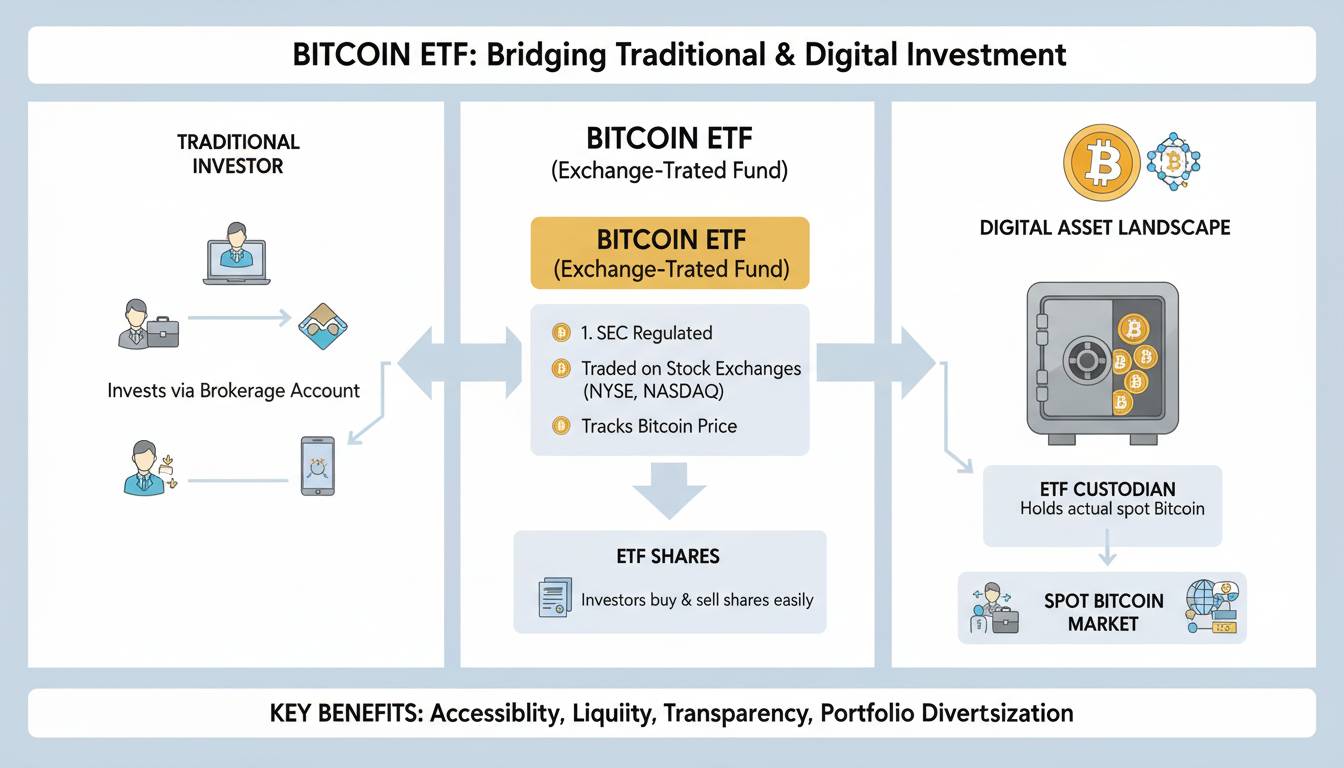
A spot Ethereum ETF is an exchange-traded fund that holds actual Ethereum (ETH) as its underlying asset, not derivatives or futures contracts. When you invest in a spot Ethereum ETF, your money is used to buy Ethereum, which the fund manager holds in secure custody. The fund tracks Ethereum’s real-time price movements closely, minus fees and expenses.
This is different from futures-based ETFs, which derive their value from contracts predicting Ethereum’s future price. The spot ETF structure gives you exposure to actual price movements without dealing with cryptocurrency exchanges, managing private keys, or worrying about wallet security.
The concept gained attention after spot Bitcoin ETFs launched in January 2024 and attracted billions of dollars within days. Market observers expected a similar path for spot Ethereum ETFs, though regulators added complexity to the approval process.
How Spot Ethereum ETFs Work
Spot Ethereum ETFs use a creation and redemption mechanism that keeps the market price aligned with the actual value of Ethereum holdings. Authorized participants—typically large financial institutions—can create new ETF shares by depositing Ethereum with the fund’s custodian or redeem shares for Ethereum. This arbitrage mechanism helps the ETF trade near its net asset value.
The fund manager handles operations, including securing Ethereum with institutional custodians, managing the creation and redemption process, and handling reporting and regulatory compliance. You can buy and sell spot Ethereum ETF shares through regular brokerage accounts, just like any other ETF.
Custody is a critical component. Fund managers use specialized custodians with cold storage solutions, multi-signature protocols, and insurance coverage to protect assets. The SEC required robust custody arrangements before approving these products.
Expense ratios range from 0.25% to 0.40% annually. These costs are higher than some traditional index funds but lower than the complexities and security risks of owning cryptocurrency directly.
The Regulatory Journey: SEC Approval Timeline
Getting spot Ethereum ETF approval required extensive regulatory scrutiny and multiple rounds of applications. The SEC had approved futures-based Ethereum ETFs but was hesitant about spot products due to concerns about market manipulation, custody security, and investor protection.
In July 2024, the SEC approved several spot Ethereum ETF applications after months of negotiations. BlackRock, the world’s largest asset manager, got approval along with Fidelity, VanEck, 21Shares, and Grayscale. This was an important moment for cryptocurrency integration into traditional finance.
The approval process covered several areas. Exchanges needed sophisticated monitoring systems to detect manipulation in both the ETF and underlying Ethereum markets. Issuers had to show sufficient market depth for orderly trading. Legal opinions addressed whether Ethereum might be classified as a security—a determination that could affect ETF structure.
Indian investors should note that US approval opens doors for global access, but actually getting these products depends on your broker’s capabilities and Indian rules governing overseas investments.
Spot Ethereum ETF vs Futures Ethereum ETF: Key Differences
Understanding the distinction between spot and futures Ethereum ETFs matters for making informed decisions. The fundamental difference is in the underlying assets and how they derive value, which affects performance, costs, and risk.
Spot Ethereum ETFs hold actual ETH, giving direct exposure to current market prices. When Ethereum rises, the ETF holdings increase correspondingly, minus the expense ratio. The structure is straightforward—the fund tracks Ethereum’s spot price minus fees.
Futures Ethereum ETFs invest in standardized futures contracts that specify future delivery at a predetermined price. The cost of rolling futures contracts over time, called “contango” when futures prices exceed spot prices, can reduce returns compared to holding the underlying asset. This has created performance drag for commodity futures ETFs in the past.
Futures ETFs have some advantages in certain situations. They may offer better tax efficiency in some jurisdictions and can avoid direct cryptocurrency ownership, which remains regulated uncertainly in some areas. For Indian investors, understanding how these products work with Indian tax rules and regulations is important for building your portfolio.
| Factor | Spot Ethereum ETF | Futures Ethereum ETF |
|---|---|---|
| Underlying Asset | Actual Ethereum | Ethereum Futures Contracts |
| Price Tracking | Near 1:1 with ETH price | Subject to futures premium/discount |
| Rollover Costs | None | Contango can impact returns |
| Complexity | Simpler structure | More complex management |
| Regulatory Status | Newly approved | Established since 2021 |
Major Issuers and Available Products
The spot Ethereum ETF market includes both traditional finance giants and cryptocurrency-native companies. BlackRock’s iShares Ethereum Trust (ETHA) is the most prominent launch, using the asset manager’s distribution network and established reputation. Fidelity’s Fidelity Ethereum Fund (FETH) brings decades of ETF management experience.
Grayscale Ethereum Trust, previously a closed-end fund, converted to an ETF structure after SEC approval. VanEck and 21Shares collaborated on their Ethereum ETF, combining traditional finance experience with cryptocurrency infrastructure.
Each issuer has slightly different fee structures. Some offer temporary fee waivers early on to attract assets. Expense ratios fall between 0.25% and 0.40%, with BlackRock and Fidelity at the lower end using their brand recognition and scale.
Trading volumes during the initial period showed strong interest, though flows have varied with market conditions and cryptocurrency price movements. The market continues to evolve as issuers refine their offerings and compete on fees, liquidity, or features.
Investment Considerations for Indian Investors
Indian investors looking at spot Ethereum ETFs face some unique considerations. Direct access to US-listed ETFs usually requires opening international brokerage accounts that support trading on American exchanges, like Interactive Brokers, Charles Schwab, or specialized platforms offering global market access.
RBI guidelines on overseas investment provide frameworks for resident Indians to invest in international markets, though with certain limits on amount and purpose. Indian investors must also consider FEMA regulations governing cross-border capital movements.
Tax implications matter too. India imposes a 30% capital gains tax on virtual digital asset transfers plus 1% TDS. However, gains from overseas-listed ETFs holding cryptocurrency may be treated differently—you should talk to a tax professional about your specific situation.
Currency risk adds complexity. Since these ETFs trade in US dollars, Indian investors face exposure to rupee-dollar exchange rate movements alongside cryptocurrency price swings. This dual exposure can amplify both gains and losses.
Risks and Challenges
Investing in spot Ethereum ETFs involves several risks worth evaluating carefully. Cryptocurrency markets are extremely volatile—Ethereum can move 10% or more in a single trading day. This volatility transfers directly to ETF share prices, potentially causing significant short-term losses.
Regulatory risk stays prominent despite SEC approval. How regulators classify Ethereum and other cryptocurrencies continues to evolve. Future actions could affect ETF operations, fees, or even the ability to hold the underlying asset. Indian investors should watch both US regulatory developments and domestic rules that might affect access.
Counterparty risk exists even with institutional structures. While custodians use sophisticated security, the possibility of breaches, operational failures, or fraud can’t be entirely eliminated. The collapse of FTX showed how important it is to understand where assets are held and who is responsible for their security.
Market liquidity, while improving, may still be challenging during extreme stress. The ETF structure generally has better liquidity than direct crypto markets, but wide bid-ask spreads can increase costs during volatile periods.
How to Buy Spot Ethereum ETFs
If you have access to international brokerage accounts, buying spot Ethereum ETFs works like buying any security. Fund your brokerage account with US dollars through appropriate channels, search for the ETF ticker, and place your order.
Major platforms like Fidelity, Charles Schwab, and Interactive Brokers offer access to US-listed ETFs. Some Indian brokers have developed partnerships or platforms for international market access—check what they offer and their fee structures.
The process usually involves extra paperwork for foreign stock trading, understanding settlement timelines that differ from Indian conventions, and setting up currency conversion. You should also know the tax documentation requirements for reporting foreign investment income.
If you can’t access US markets directly, alternatives include domestic cryptocurrency ETFs with similar exposure through different structures, or indirectly through cryptocurrency-focused mutual funds and alternative investment funds available in India.
The Future Outlook
Spot Ethereum ETF approval represents a maturation of cryptocurrency investment products within traditional finance. This could open doors for broader institutional adoption, since many institutional investors face restrictions preventing direct cryptocurrency ownership but can invest through regulated ETF structures.
How these products perform will likely influence regulatory decisions in other countries, including India. As global frameworks develop and domestic rules become clearer, Indian investors may see more products designed for local requirements and preferences.
Market observers expect continued innovation, including potential spot Ethereum ETFs on other global exchanges, thematic variations combining Ethereum exposure with other strategies, and integration with retirement accounts and managed portfolios.
Frequently Asked Questions
What is a spot Ethereum ETF?
A spot Ethereum ETF is an exchange-traded fund that directly holds Ethereum, letting you get exposure to Ethereum’s price movements through regular brokerage accounts without buying or managing the cryptocurrency yourself.
How does a spot Ethereum ETF differ from a futures Ethereum ETF?
Spot Ethereum ETFs hold actual Ethereum tokens, giving direct exposure to current prices. Futures Ethereum ETFs invest in derivative contracts betting on future prices, which can produce different performance due to factors like contango and rollover costs.
When was the spot Ethereum ETF approved?
The SEC approved spot Ethereum ETF applications in late July 2024, with trading starting shortly after. Major issuers including BlackRock and Fidelity launched products following this approval.
Can Indian investors buy spot Ethereum ETFs?
Indian investors can access US-listed spot Ethereum ETFs through international brokerage accounts supporting American exchange trading. You need to follow RBI and FEMA rules on overseas investments and consider tax implications.
What are the risks of investing in spot Ethereum ETFs?
Key risks include high volatility in cryptocurrency markets, regulatory uncertainty, potential counterparty risks from custodians, and currency risk for non-US investors. Value can drop significantly during downturns.
What fees are associated with spot Ethereum ETFs?
Expense ratios typically range from 0.25% to 0.40% annually. Some issuers offer temporary fee waivers during launch periods to attract assets.
Conclusion
Spot Ethereum ETFs give Indian investors a way to access cryptocurrency markets through traditional finance structures. While direct access requires navigating international brokerage relationships and understanding regulatory frameworks, this option suits investors who prefer not to hold cryptocurrency directly but still want exposure.
Approval of these products signals growing mainstream acceptance of cryptocurrencies within regulated financial systems. For Indian investors considering Ethereum exposure, staying updated on both global developments and domestic regulatory changes will help with decisions. As with any investment, thorough research, understanding the risks, and aligning with your overall portfolio goals should guide your approach.