
Indian investors looking at cryptocurrency are increasingly curious about Solana ETFs—but getting clarity on what’s actually available is harder than it should be. Here’s what you need to know.
What is a Solana ETF?
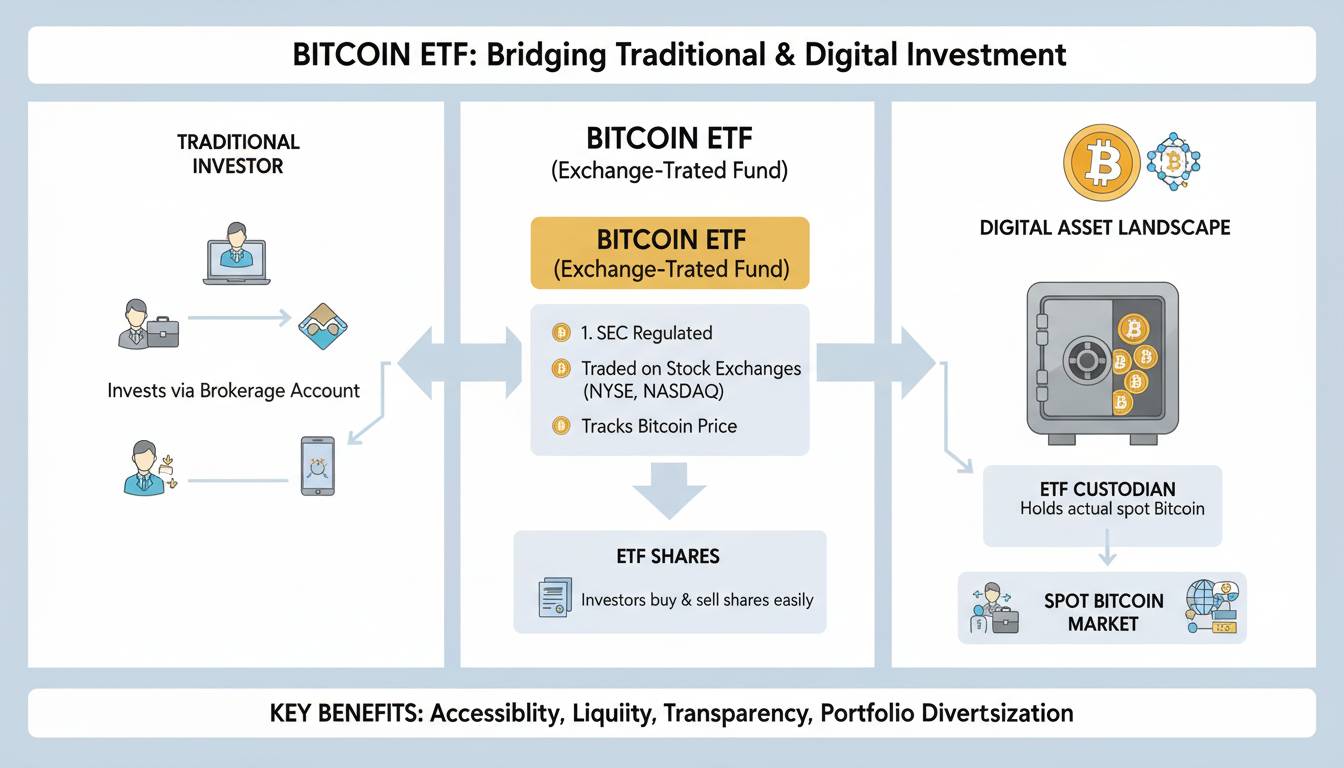
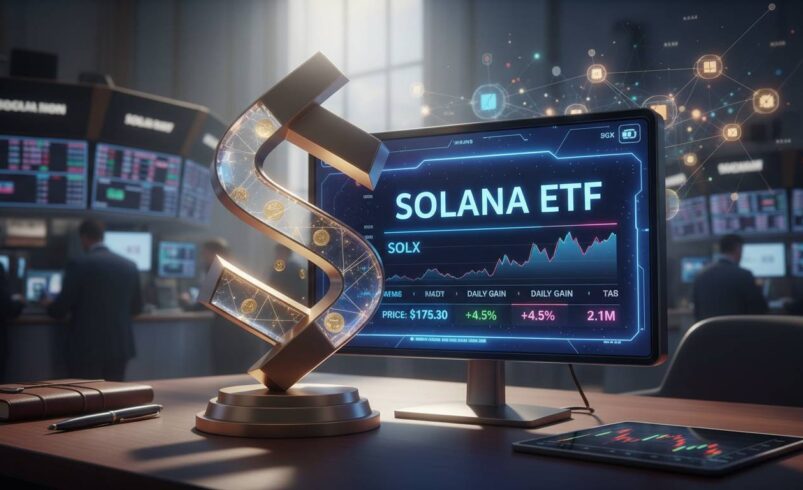
A Solana ETF would be an exchange-traded fund that tracks Solana’s price. You’d buy shares on a stock exchange the same way you’d buy a Nifty 50 ETF, and the fund’s value would move with SOL’s price. The fund would either hold actual Solana tokens or use derivatives to mimic the price.
For investors who don’t want to deal with crypto wallets, exchanges, and the headache of storing tokens securely, this sounds convenient. That’s the pitch anyway. Whether that convenience is worth it depends on what you’re optimizing for.
Solana itself is a fast blockchain that processes transactions quickly and cheaply. It’s popular for decentralized apps, DeFi projects, and NFT trading. SOL, its native token, pays for transactions, stakes for network security, and lets holders vote on network changes. Whether that gives SOL lasting value depends entirely on whether people actually use Solana for things.
Global Regulatory Status
No Solana ETF has SEC approval in the United States. Bitcoin and Ethereum ETFs got the green light, but Solana hasn’t. VanEck and 21Shares filed applications that are still stuck somewhere in the review process.
Why the holdup? The SEC has worried about market manipulation, how custody would work, and whether investors would be protected. Those same concerns applied to Bitcoin and Ethereum, but those got approved after years of pushing. Solana faces the additional complication of being classified as a security in some contexts, plus ongoing legal messes involving crypto exchanges.
When might this change? Your guess is as good as anyone’s. If Bitcoin and Ethereum ETFs work smoothly, that might open the door. But Solana has had network outages and questions about token distribution that could keep regulators wary. We’re talking about an indefinite timeline here.
Indian Regulatory Landscape
India’s crypto rules have been a moving target. The RBI tried to block banks from handling crypto transactions in 2018, the Supreme Court overturned that in 2020, and since then it’s been a mix of taxation rules and regulatory ambiguity. There’s no outright ban, but there’s no clear stamp of approval either.
SEBI hasn’t approved any crypto ETFs in India. You can’t walk into your broker and buy a Solana ETF tomorrow. The regulator has said crypto is too volatile and speculative for mainstream investors, which tells you where their comfort level is.
That said, Indian crypto exchanges like CoinDCX, WazirX, and ZebPay let you buy SOL directly with rupees. It’s not an ETF, but it’s available. Some international brokers also serve Indian residents, though that brings its own regulatory questions around disclosure and tax reporting.
Investment Alternatives
If you want Solana exposure right now, here are your practical options:
Direct purchase: Buy SOL on Indian exchanges. You handle your own storage, which means learning about wallets and security. This is the most common approach among Indian crypto investors.
International brokers: Some global platforms let Indian citizens open accounts and trade US-listed crypto ETFs or similar products. You’ll deal with FEMA rules, tax reporting, and possibly more documentation than domestic trading.
Wait for ETFs: If you want the simplicity of holding an ETF in your regular trading account, you’re playing the long game. No one can tell you when that door opens.
What This Means for India’s Crypto Market
If Solana ETFs get approved in the US and other major markets, it’ll create pressure on India to develop its own rules. We’ve seen this pattern before—India watches how major economies handle financial products, then crafts its own framework. That could take two to three years, maybe longer.
Indian crypto exchanges might see some shift in trading volume if ETFs become available internationally. Some investors prefer the tax simplicity and ease of holding ETFs. But a lot of Indian crypto holders value direct ownership—they want to control their keys, not trust a fund manager. That preference isn’t going away quickly.
The bigger picture is that regulatory clarity would help everyone. Exchange operators, wallet providers, even startups building on Solana could point to international standards and say “this is how it works elsewhere.” Whether that actually moves SEBI to act is the open question.
Expert Perspectives
Analysts at CoinGecko point out that Bitcoin and Ethereum ETFs created a template. If those work, other crypto ETF applications have something to point to. It’s a logical argument, but logic doesn’t always drive regulatory timing.
Rajesh Kumar, a financial technology consultant in Mumbai, told me that India usually lags major markets by a few years on these products. “We observe, then implement with modifications,” he said. “If Solana ETFs succeed internationally, I’d expect policy discussions here within two to three years.”
Priya Sharma, a market analyst, is less optimistic. “SEBI has been consistently cautious about anything novel,” she noted. “Even if the rest of the world approves Solana ETFs, Indian approval could take significantly longer. They’ve shown they prioritize stability over being first.”
Both perspectives are worth considering. India’s regulators have been careful, sometimes frustratingly so. But the world moves fast, and there are costs to being too far behind on financial innovation.
Conclusion
Solana ETFs don’t exist yet, and Indian investors can’t access them through domestic channels. That’s the reality. If you want Solana exposure now, you’re looking at direct crypto purchases or international brokerage arrangements—each with its own trade-offs.
What happens next depends on two things: whether major markets approve Solana ETFs, and whether SEBI and the RBI create a pathway for them in India. Both are uncertain. The best approach is to understand what you actually want from crypto exposure, evaluate your risk tolerance honestly, and keep an eye on both global and domestic regulatory developments.
The crypto market isn’t waiting for ETFs to move. Neither should you—unless you’re comfortable with the wait.
Frequently Asked Questions
Can Indian investors currently buy a Solana ETF?
No. SEBI hasn’t approved any crypto ETFs in India, and there are no domestic Solana ETF products available. Your options are buying SOL directly on Indian exchanges or using international brokers that serve Indian residents.
When might a Solana ETF become available in India?
No one knows for sure. If major markets approve Solana ETFs and they work well, India might follow within a few years. But SEBI’s cautious track record means this could take much longer—or not happen at all.
What are the alternatives to Solana ETFs for Indian investors?
Buy SOL directly on CoinDCX, WazirX, or ZebPay. These exchanges let you trade SOL against INR. Some international brokers also offer access to foreign crypto ETFs, though this involves additional complexity.
Is investing in Solana through ETFs safer than buying SOL directly?
ETFs remove the need to manage crypto storage yourself, and they trade on familiar exchanges. But you pay management fees, and you don’t actually own the underlying crypto. Neither approach is “safer” in terms of price volatility—both track the same asset.
What factors could delay Solana ETF approval in India?
SEBI’s concerns about volatility, investor protection, and potential misuse for illicit activities could all delay things. Plus, India’s regulators have generally moved slower than their international counterparts on crypto-related products.
How does Solana compare to Bitcoin and Ethereum for ETF purposes?
Solana is newer, faster, and cheaper to use—but it hasn’t been around as long as Bitcoin or Ethereum, and it’s had more technical hiccups. Regulators look at track record when evaluating these products, which puts Solana at a disadvantage compared to the two largest cryptocurrencies.