
The cryptocurrency landscape in India continues to evolve rapidly, with institutional interest growing across digital assets. As global markets witness increasing acceptance of exchange-traded funds tied to blockchain tokens, the conversation around Solana ETF approval has gained significant momentum among Indian investors and regulatory bodies. This development represents a potential watershed moment for cryptocurrency adoption in the world’s second-most populous nation, where over 300 million people have engaged with digital assets in various capacities. Understanding the implications of Solana ETF approval requires examining the current regulatory environment, global precedents, and the specific opportunities this could unlock for Indian crypto participants.
Understanding Solana ETFs and Their Significance
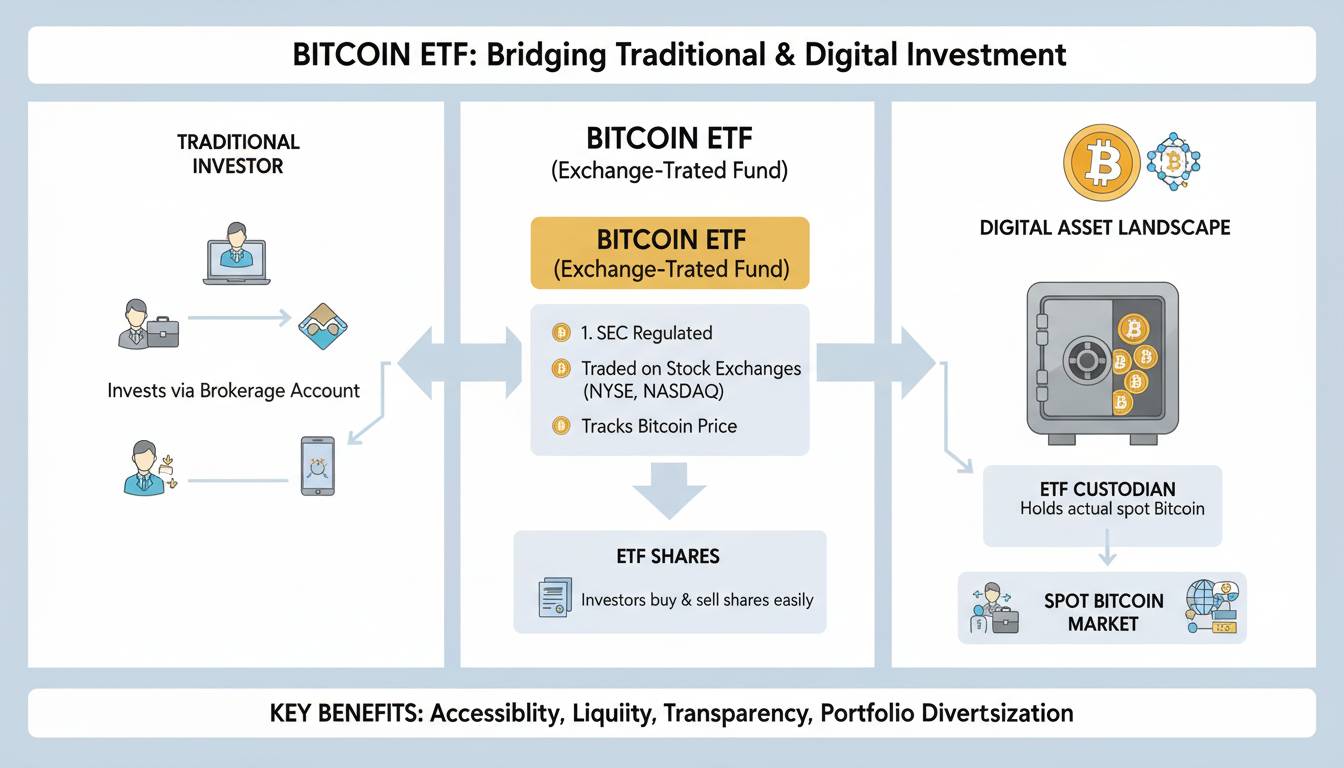
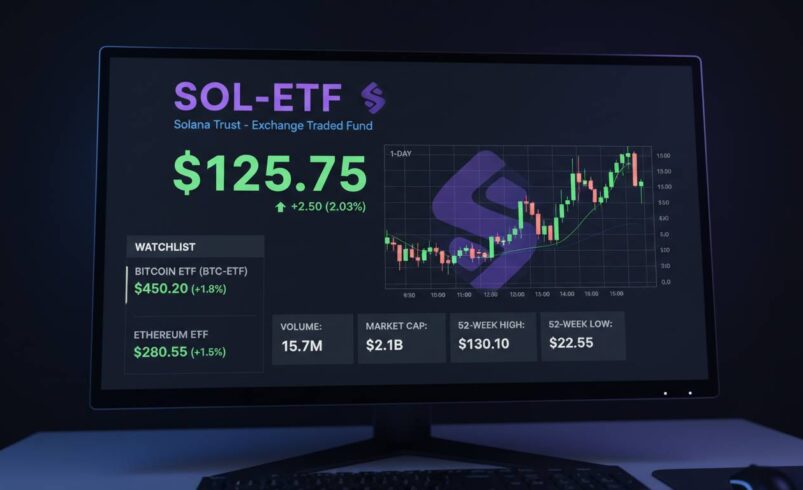
A Solana ETF functions as a regulated investment vehicle that tracks the price movement of Solana’s native token, SOL, without requiring investors to directly purchase and store the cryptocurrency. These instruments trade on traditional stock exchanges, bringing cryptocurrency investments into the familiar framework of regulated securities. The significance of this structure cannot be overstated for Indian investors, who have historically faced challenges related to secure storage, tax compliance, and institutional-grade custody solutions for digital assets.
Solana has emerged as one of the leading blockchain platforms globally, processing thousands of transactions per second at minimal cost. Its technical architecture has attracted substantial developer interest and institutional attention, making it a prominent candidate for ETF wrapper products. The approval of such products would mark a significant expansion of cryptocurrency investment options available to Indian retail and institutional investors, potentially unlocking billions of dollars in capital that has remained on the sidelines due to regulatory uncertainty.
The distinction between direct cryptocurrency ownership and ETF-based exposure carries profound implications for portfolio construction, risk management, and regulatory compliance. Investors gains exposure to Solana’s price movements while benefiting from the oversight, transparency, and investor protection mechanisms that traditional exchange-traded products provide. This structural advantage has driven substantial demand for cryptocurrency ETFs in markets where they have received regulatory clearance.
The Current Regulatory Landscape in India
India’s approach to cryptocurrency regulation has undergone considerable evolution, moving from outright prohibition concerns to a more nuanced framework that recognizes digital assets while seeking to prevent illicit activities. The Securities and Exchange Board of India has emerged as the primary regulatory authority for cryptocurrency-related investment products, following the 2023 parliamentary session that clarified the regulatory jurisdiction over digital assets.
The current regulatory framework imposes a 30% tax on cryptocurrency gains and requires detailed reporting of digital asset transactions, creating a complex compliance environment for investors. However, the absence of specific provisions for cryptocurrency ETFs has left a significant gap in the market, with investors seeking alternative structures to gain exposure to blockchain-related assets. Recent statements from SEBI officials have indicated openness to innovative financial products, provided appropriate investor protection measures are implemented.
The regulatory journey for cryptocurrency ETFs in India involves navigating multiple considerations, including market manipulation prevention, custody standards, pricing mechanisms, and cross-border investment flows. Industry participants have engaged in sustained dialogue with regulators, emphasizing the successful implementation of cryptocurrency ETFs in other jurisdictions as evidence of workable regulatory frameworks. The experience of markets that have approved such products provides valuable reference points for India’s regulatory approach.
Global Precedents and Their Impact on Indian Markets
The United States marked a pivotal moment in cryptocurrency investment history with the January 2024 approval of spot Bitcoin ETFs, followed by spot Ethereum ETFs later that year. These approvals resulted in billions of dollars flowing into cryptocurrency-exposed investment products, demonstrating institutional appetite for regulated digital asset exposure. The success of these products has created a template that other markets, including India, are now evaluating.
Several factors distinguish the Indian market from Western counterparts. The prevalence of cryptocurrency trading among retail investors in India exceeds most other markets globally, with young demographic groups showing particular enthusiasm for digital assets. This widespread adoption creates both opportunity and regulatory complexity, as authorities balance innovation promotion with consumer protection imperatives. The approximately $6 billion in annual cryptocurrency trading volume from Indian users underscores the substantial market potential for properly regulated ETF products.
Hong Kong emerged as another significant market in 2024, approving multiple spot cryptocurrency ETFs that have attracted meaningful investor interest. The regulatory framework implemented in Hong Kong, which includes strict custody requirements and transparency provisions, has provided another model that Indian regulators are examining. The convergence of regulatory approaches across Asian markets suggests increasing standardization of cryptocurrency ETF frameworks, potentially facilitating Indian regulatory decision-making.
Implications for Indian Crypto Investors
The approval of Solana ETFs in India would fundamentally transform how millions of investors approach blockchain-related investments. Traditional cryptocurrency investment requires technical knowledge of wallets, private keys, and security practices that many investors find intimidating or time-consuming. ETF products eliminate these barriers, allowing investors to gain exposure through their existing brokerage accounts with the same convenience as purchasing stocks or mutual funds.
Taxation represents another critical consideration for Indian investors. The existing 30% tax on cryptocurrency gains applies to direct token purchases, but the treatment of cryptocurrency ETF gains remains somewhat unclear in current regulations. ETF structures might potentially qualify for more favorable tax treatment under existing capital gains frameworks, creating significant tax efficiency advantages for investors. This potential tax optimization has become a major talking point among financial advisors counseling cryptocurrency-interested clients.
Portfolio diversification benefits would extend beyond individual investors to institutional participants including family offices, pension funds, and sovereign wealth vehicles. These institutions face stringent compliance requirements that often preclude direct cryptocurrency holdings but may permit investment in regulated ETF products. The availability of Solana ETFs could unlock substantial institutional capital that has remained inaccessible to the cryptocurrency ecosystem in India.
Market Dynamics and Investment Considerations
The introduction of Solana ETFs would likely influence pricing dynamics in the underlying Solana market. ETF creation and redemption mechanisms provide new channels for capital flows between traditional financial systems and cryptocurrency markets, potentially increasing market efficiency and reducing price disparities. However, the precise impact on SOL pricing would depend on numerous factors including fund size, investor composition, and market conditions at launch.
Liquidity considerations favor Solana ETF approval from a market development perspective. Increased institutional participation typically brings greater trading volume, tighter bid-ask spreads, and more sophisticated market-making infrastructure. These improvements benefit all market participants, including those who continue to hold Solana directly. The development of derivatives markets tied to Solana might also accelerate following ETF approval, providing additional risk management tools for investors.
Risk factors warrant balanced consideration alongside potential benefits. Cryptocurrency markets remain highly volatile, and Solana has experienced significant price swings historically. Investors in Solana ETFs would be exposed to this volatility within a regulated structure, which provides protections but does not eliminate underlying asset risk. The correlation between Solana and other cryptocurrencies means that broader market movements would influence ETF performance regardless of Solana-specific developments.
Future Outlook and Industry Expectations
Industry observers anticipate continued evolution in India’s cryptocurrency regulatory framework, with ETF approval representing one potential milestone among several regulatory developments under discussion. The Securities and Exchange Board of India has signaled ongoing interest in cryptocurrency market regulation, suggesting that clearer frameworks for various digital asset products may emerge in coming years.
The timeline for Solana ETF approval in India remains uncertain, with no official regulatory timeline publicly announced. Market participants anticipate that the success of cryptocurrency ETFs in other jurisdictions will influence Indian regulatory thinking, potentially accelerating approval discussions. The demonstrated investor protection mechanisms in approved products from other markets provide evidence that regulatory objectives can be achieved while enabling market development.
Technological infrastructure development continues in anticipation of regulatory approval. Custodians, exchanges, and other service providers have been building capabilities to support cryptocurrency ETF products, positioning themselves to launch offerings quickly following regulatory clearance. This infrastructure preparation suggests strong market readiness that could facilitate rapid product deployment once approval is granted.
Conclusion
Solana ETF approval represents a significant potential development for Indian cryptocurrency markets, offering regulated exposure to one of the leading blockchain platforms through familiar investment structures. The implications extend beyond individual investment opportunities to encompass broader market development, institutional adoption, and India’s position in the global cryptocurrency ecosystem. While regulatory timelines remain uncertain, the direction of travel suggests increasing acceptance of cryptocurrency investment products within India’s regulatory framework. Indian investors would be well-advised to monitor regulatory developments closely while understanding both the opportunities and risks that cryptocurrency exposure entails. The evolution of cryptocurrency ETF regulation in India will likely prove formative for the country’s digital asset industry for years to come.
Frequently Asked Questions
What is a Solana ETF?
A Solana ETF is an exchange-traded fund that tracks the price movement of Solana’s native token, SOL. It allows investors to gain exposure to Solana’s price movements without directly purchasing and managing the cryptocurrency, trading instead on traditional stock exchanges with the same convenience as stocks.
Has Solana ETF been approved in India?
As of now, Solana ETFs have not been officially approved in India. The regulatory framework for cryptocurrency ETFs remains under development, with ongoing discussions between industry participants and regulatory authorities including SEBI.
How would Solana ETF approval affect Indian investors?
Approval would provide Indian investors with a regulated, accessible way to invest in Solana through traditional brokerage accounts. This eliminates the need for direct cryptocurrency custody while potentially offering certain tax advantages and bringing cryptocurrency investing into the mainstream financial infrastructure.
What are the risks of investing in Solana ETFs?
Solana ETFs would expose investors to the inherent volatility of cryptocurrency markets, which can experience significant price swings. While ETF structures provide regulatory protections and transparency, they do not eliminate the underlying asset risk. Investors should carefully consider their risk tolerance before investing.
When might Solana ETFs become available in India?
No official timeline exists for Solana ETF approval in India. The approval process depends on regulatory developments, market readiness, and the broader evolution of India’s cryptocurrency regulatory framework. Industry observers suggest monitoring regulatory announcements for updates.
How does Solana compare to Bitcoin and Ethereum for ETF investment?
Solana offers different technical characteristics compared to Bitcoin and Ethereum, including higher transaction speeds and lower fees. Its performance as an investment asset has shown higher volatility than Bitcoin. Investors should understand these differences when considering Solana ETF exposure alongside other cryptocurrency investments.