
The global NFT marketplace valuation reached approximately $3 billion in 2023, with India emerging as one of the fastest-growing markets for digital collectibles and blockchain-based art. As the technology matures and regulatory frameworks evolve, new opportunities are emerging for creators, collectors, and investors interested in the digital art space. Understanding these trends is essential for anyone looking to capitalize on the next wave of NFT innovation.
The Current State of NFT Marketplaces
The NFT marketplace ecosystem has undergone significant transformation since the peak of 2021-2022. Trading volumes have stabilized, with monthly sales typically ranging between $300-500 million across major platforms in 2023-2024, according to data from various blockchain analytics firms. This represents a shift from the speculative frenzy of the early days toward a more sustainable market focused on utility and genuine digital ownership.
Key Insights
– OpenSea remains the largest general-purpose NFT marketplace by volume, though its dominance has decreased from over 90% to approximately 60% of the market
– Specialized marketplaces like Blur, Foundation, and Rarible have captured significant market share by targeting specific niches
– Ethereum continues to host the majority of high-value NFT transactions, but alternative blockchains like Solana, Polygon, and Immutable X have gained traction for lower-cost transactions
– The average price of NFTs has increased even as total transaction volume decreased, suggesting a shift toward quality over quantity
The market has matured considerably, with investors moving away from speculation toward projects with genuine utility, strong communities, and real-world applications. This maturation creates a more stable foundation for long-term growth and presents new opportunities for participants who understand the evolving landscape.
Major Trends Reshaping NFT Marketplaces
Several interconnected trends are fundamentally changing how NFT marketplaces operate and what they offer to users.
Fractionalization and Collective Ownership
Fractionalized NFT ownership has emerged as a significant trend, allowing multiple investors to own portions of high-value digital assets. Platforms like Fractional and NFTX enable collectors to pool resources and acquire pieces they could not afford individually. This approach has democratized access to blue-chip NFT collections and created new investment mechanisms in the digital art space.
The fractionalization trend addresses one of the traditional barriers to entry in the NFT market – the high cost of premium digital art and collectibles. By breaking down ownership into smaller, more affordable units, marketplaces are opening the market to a broader audience of collectors and investors.
Cross-Chain Compatibility
TheNFT ecosystem is increasingly moving toward cross-chain functionality, with marketplaces supporting multiple blockchains to reduce friction for users. This trend reflects user demand for flexibility and the recognition that different blockchains offer distinct advantages for different types of digital assets.
Polygon has become particularly popular for NFT transactions due to its low gas fees and environmental sustainability, while Ethereum remains the preferred chain for high-value art pieces and established collections. Marketplaces that support multiple chains are better positioned to serve diverse user needs and capture a larger share of the overall market.
Integration with Traditional Commerce
NFTs are increasingly bridging the gap between digital and physical worlds through integration with traditional commerce. Brands across industries – from fashion to entertainment to luxury goods – are launching NFT collections that offer tangible benefits such as exclusive access, physical merchandise, and real-world experiences.
This convergence represents a significant opportunity for artists and creators to expand their revenue streams beyond purely digital sales. Marketplaces that facilitate these hybrid offerings are attracting interest from both traditional brands and digital-native creators looking to expand their reach.
Digital Art Opportunities in the Indian Market
India presents a particularly compelling opportunity for NFT marketplaces and digital artists. The country’s massive young population, growing tech-savvy middle class, and increasing adoption of digital payments create favorable conditions for NFT growth.
The Indian government’s approach to cryptocurrency regulation has evolved, with the Reserve Bank of India and various ministries working to create a balanced regulatory framework. While clarity is still developing, the general direction suggests acceptance of cryptocurrency and blockchain technology with appropriate consumer protections.
Market Indicators for India
– India ranks among the top countries globally for cryptocurrency adoption, according to various industry reports
– The country’s strong software development talent pool supports NFT platform development and digital art creation
– Rising interest in digital art and creator economy platforms indicates potential for marketplace growth
– Mobile-first internet usage patterns align well with simplified NFT purchasing interfaces
Local marketplaces like WazirX NFT and other India-focused platforms have emerged to serve this market, though international platforms like OpenSea and Binance NFT also maintain significant Indian user bases. Artists creating culturally relevant content that resonates with Indian audiences have particular opportunities to find buyers within the country and among the global Indian diaspora.
Platform Comparisons and Selection Criteria
Choosing the right marketplace depends on specific needs, from the type of art being sold to the target audience and technical requirements.
| Platform | Best For | Fee Structure | Primary Chain |
|---|---|---|---|
| OpenSea | General marketplace, wide audience | 2.5% transaction fee | Ethereum, Polygon, Solana |
| Foundation | Curated art, high-quality pieces | 5% creator fee + 10% resale | Ethereum |
| Blur | Traders, quick flips | Zero fees for traders | Ethereum |
| Rarible | Multi-chain, governance tokens | 2.5% transaction fee | Ethereum, Flow, Tezos |
| Magic Eden | Solana NFTs | 2% transaction fee | Solana |
For Indian artists just starting, platforms with lower barriers to entry and educational resources may be most appropriate. More established artists seeking high-value collectors might focus on curated platforms like Foundation that attract serious buyers willing to pay premium prices for quality work.
Common Challenges and How to Navigate Them
Participants in the NFT marketplace space face several challenges that require careful consideration.
Environmental Concerns
NFTs have faced criticism for their energy consumption, particularly on proof-of-work blockchains. However, many marketplaces have responded by migrating to more energy-efficient proof-of-stake networks or offering carbon offset programs. Artists and collectors concerned about environmental impact can prioritize platforms using sustainable blockchain technology.
Intellectual Property Considerations
The NFT space has grappled with copyright issues and intellectual property disputes. Buyers should verify the authenticity and ownership rights associated with any NFT before purchase. Creators should ensure they have clear rights to the underlying content and understand the legal implications of minting digital works as NFTs.
Market Volatility
NFT values can fluctuate dramatically, and the market remains relatively illiquid compared to traditional art markets. Participants should approach NFT investments with clear understanding of the risks and avoid investing more than they can afford to lose. Diversification across multiple artists and collection types can help manage portfolio risk.
Scams and Security
The NFT space has attracted various scams, including fake marketplaces, phishing attacks, and fraudulent projects. Security best practices are essential: use hardware wallets when possible, verify website URLs carefully, and be skeptical of unsolicited offers or too-good-to-be-true investment opportunities.
Future Outlook and Emerging Opportunities
The NFT marketplace landscape continues to evolve, with several developments likely to shape the industry’s trajectory.
Gaming and Metaverse Integration
NFTs are increasingly integral to gaming ecosystems and virtual world experiences, creating opportunities for digital artists to design in-game assets, virtual real estate, and metaverse fashion. This intersection of gaming, social experiences, and digital ownership represents a significant growth area.
Real-World Asset Tokenization
Beyond digital art, NFTs are beginning to represent real-world assets including real estate, intellectual property, and collectible physical items. This expansion could dramatically increase the total addressable market for NFT technology and create new opportunities for marketplace operators.
Enhanced Interoperability
Future developments will likely focus on improving cross-chain functionality and creating more seamless experiences for users holding NFTs across different blockchains. This technical progress could reduce friction and expand the potential audience for digital art.
Indian Regulatory Development
As India’s regulatory framework for digital assets becomes clearer, the market is expected to see increased participation from institutional players and traditional brands. This could bring additional capital and legitimacy to the NFT space while creating new opportunities for Indian creators.
Conclusion
The NFT marketplace landscape presents significant opportunities for digital artists, collectors, and investors willing to navigate its complexities. The market has evolved beyond initial speculative mania toward a more sustainable model focused on genuine digital ownership and utility. For Indian creators and collectors, the combination of favorable demographics, growing digital adoption, and emerging regulatory clarity creates particularly compelling conditions.
Success in this space requires understanding platform differences, focusing on quality and authenticity, and maintaining realistic expectations about market dynamics. Those who approach NFTs as a legitimate medium for digital art and creative expression – rather than purely as speculative instruments – are best positioned to benefit from the long-term potential of this evolving market.
Frequently Asked Questions
What is the best NFT marketplace for beginners in India?
For beginners in India, platforms like OpenSea offer the most accessible entry point due to their large user base, extensive tutorials, and support for multiple payment methods including fiat options. WazirX NFT also provides India-specific features including INR support and local customer service.
Are NFTs legal in India?
The legal status of NFTs in India remains somewhat ambiguous as specific regulations are still being developed. Cryptocurrency trading is legal in India following a 2023 Supreme Court ruling that overturned an earlier banking ban. NFTs, being distinct from cryptocurrencies, are generally viewed as digital assets, though creators and collectors should stay updated on regulatory developments.
How much does it cost to sell NFTs on marketplaces?
Most marketplaces charge creator fees ranging from 2.5% to 10% on primary sales, plus additional fees for listing and transactions (gas fees). Some platforms like Blur offer reduced or zero fees for traders. When choosing a marketplace, consider the total cost including blockchain gas fees, which vary significantly between Ethereum, Polygon, and other chains.
Can Indian artists really earn money from NFT art?
Yes, Indian artists can earn substantial income through NFT sales. Several Indian digital artists have achieved significant sales on major platforms. Success typically requires creating distinctive work, building an online presence, engaging with collector communities, and pricing work appropriately for the target market.
What type of digital art sells best as NFTs?
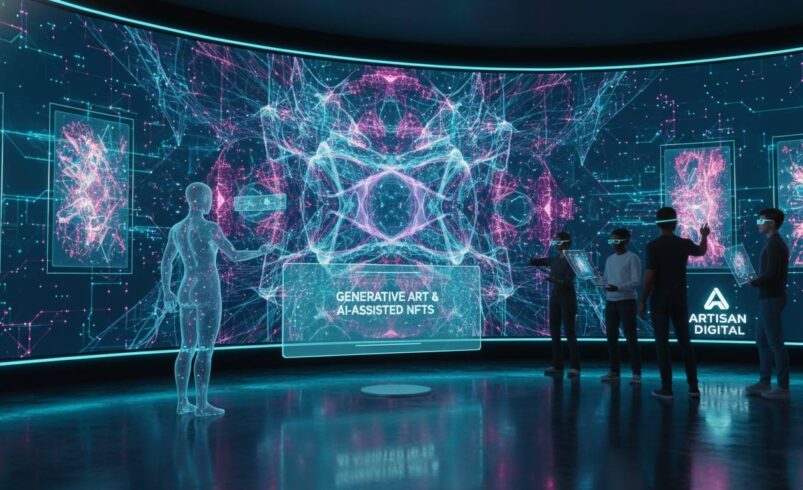
Digital art that performs well typically combines technical skill with unique conceptual appeal. Generative art, animated pieces, and works tied to established intellectual properties or artists tend to perform well. However, the market also rewards authenticity and community connection, meaning emerging artists with distinctive styles can find buyers when they build genuine relationships with collectors.