
The digital landscape is experiencing a revolutionary transformation, and at its forefront lies an emerging asset class that has captured the imagination of investors worldwide: metaverse real estate. Unlike traditional property investments bounded by physical geography, metaverse real estate represents virtual land parcels within decentralized digital worlds—spaces where users can build, monetize, and socialize in immersive environments. For Indian investors seeking to diversify portfolios beyond conventional real estate and stock markets, understanding this nascent but rapidly evolving market has become increasingly essential.
The global metaverse real estate market, valued at approximately $1.14 billion in 2022, has projected growth trajectories suggesting compound annual growth rates exceeding 30% through 2030. Major corporations including Samsung, HSBC, Adidas, and numerous Indian conglomerates have already made significant virtual land acquisitions, signaling institutional validation of this asset class. Yet beneath the hype lies a complex investment landscape requiring careful analysis of platform ecosystems, ownership mechanics, and risk factors unique to digital assets.
This comprehensive guide examines metaverse real estate as an investment opportunity, providing Indian investors with actionable insights into platform selection, acquisition processes, regulatory considerations, and strategic approaches for building virtual property portfolios.
Understanding Metaverse Real Estate
Metaverse real estate refers to digital parcels of land existing within blockchain-based virtual worlds. These platforms utilize non-fungible token (NFT) technology to establish verifiable ownership records, enabling buyers to acquire, sell, and develop virtual property just as they would physical real estate. Each platform maintains its own ecosystem of experiences, from gaming arenas and entertainment venues to commercial districts and residential neighborhoods.
The fundamental value proposition rests on several interconnected factors. First, scarcity mechanisms built into platform protocols limit total land supply, creating artificial scarcity similar to physical real estate. Second, network effects drive value as platforms attract more users—parcels located in high-traffic areas command premium valuations. Third, monetization opportunities enable landowners to generate passive income through hosting events, leasing space to merchants, or displaying advertising.
Platforms like Decentraland and The Sandbox pioneered the concept, establishing foundational marketplaces where transactions occur using cryptocurrency. Land parcels are represented as NFTs, meaning ownership is recorded on blockchain ledgers and cannot be duplicated or falsified. This technological foundation provides transparency and portability that traditional property records rarely achieve.
Indian investors should understand that metaverse real estate operates independently of traditional property law. No central authority governs these digital spaces—instead, smart contracts automate transactions and enforce platform-specific rules. This decentralized structure offers advantages in efficiency and accessibility but also introduces unique risks that conventional real estate investors may find unfamiliar.
How to Acquire Virtual Property
The acquisition process for metaverse real estate involves several technical and strategic steps that Indian investors must navigate carefully. Understanding this process thoroughly before committing capital significantly reduces the likelihood of costly mistakes.
Wallet Setup and Funding
All metaverse transactions require cryptocurrency wallets. MetaMask represents the most widely supported option across major platforms. Indian investors can acquire cryptocurrency through registered exchanges like CoinDCX, WazirX, or ZebPay, then transfer tokens to personal wallets for direct platform interaction. The primary cryptocurrencies used include MANA (Decentraland), SAND (The Sandbox), and ETH (Ethereum for transaction fees and certain purchases).
Platform Selection and Marketplace Navigation
After establishing wallet infrastructure, investors must select appropriate platforms for property acquisition. Each metaverse ecosystem offers distinct characteristics:
| Platform | Native Token | Total Land Parcels | Average Price Range (2024) |
|---|---|---|---|
| Decentraland | MANA | 90,601 | $3,000 – $50,000+ |
| The Sandbox | SAND | 166,464 | $2,500 – $40,000+ |
| Otherside | OTHER | 200,000+ | $3,000 – $25,000+ |
| Voxels | N/A | 8,796 | $2,000 – $15,000+ |
Prices fluctuate significantly based on location, adjacent brand presence, and platform adoption metrics. Prime areas near central plazas or famous landmarks command substantially higher valuations than peripheral parcels.
Transaction Execution
Purchases typically occur through official platform marketplaces or secondary marketplaces like OpenSea and Blur. After selecting a parcel, buyers connect wallets, confirm transaction details including gas fees, and execute the purchase. Transaction times vary from seconds to minutes depending on network congestion. Upon completion, the NFT representing land ownership transfers directly to the buyer’s wallet.
For Indian investors specifically, documenting all transactions becomes crucial for tax purposes. Maintaining detailed records of purchase prices, dates, and wallet addresses facilitates accurate calculation of capital gains when properties are subsequently sold.
Major Metaverse Platforms Explained
The metaverse real estate ecosystem has expanded considerably beyond its origins, with multiple platforms competing for user adoption and developer activity. Understanding platform differentiation helps investors make informed allocation decisions.
Decentraland
As one of the earliest entrants, Decentraland has established itself as a mature platform with robust infrastructure. The virtual world hosts numerous high-profile events, including fashion shows featuring major brands and virtual conferences attracting thousands of attendees. Its governance token MANA powers the ecosystem, and LAND tokens represent property ownership. Decentraland’s geographic division into districts—each catering to specific themes like gaming, art, or finance—creates natural clustering effects that influence property values.
The Sandbox
Owned by Animoca Brands, The Sandbox has focused heavily on partnerships with intellectual property holders. Players can create and monetize gaming experiences using the platform’s voxel-based builder tools. This accessibility has attracted significant mainstream attention, with brands like Sega, Gucci, and Adidas establishing presences. The SAND token facilitates transactions and staking, while LAND parcels enable owners to develop experiences for the platform’s growing user base.
Otherside
Launched by Yuga Labs (creators of the Bored Ape Yacht Club NFT collection), Otherside represents a newer entrant with substantial early investment from major venture capital firms. The platform aims to create an interoperable metaverse experience connecting multiple NFT collections. While still in development, its backing by prominent Web3 investors and established IP holders suggests significant long-term potential.
Indian Market Considerations
Indian investors should note that platform popularity varies significantly by region. While global adoption metrics suggest Decentraland and The Sandbox lead in total users, Indian-specific platforms and communities have emerged around various ecosystems. Engaging with local Telegram groups, Discord communities, and Twitter spaces provides valuable intelligence on platform sentiment within Indian investor circles.
Investment Strategies and Portfolio Construction
Approaching metaverse real estate as an investment requires strategic frameworks tailored to this asset class’s unique characteristics. Several approaches have emerged among sophisticated investors.
Location-Based Acquisition
Similar to physical real estate, location profoundly impacts metaverse property values. Parcels adjacent to popular venues, transit hubs, or well-known brands benefit from organic traffic. Analyzing platform maps, tracking event locations, and monitoring social media sentiment helps identify undervalued parcels with strong location fundamentals. Premium spots near virtual landmarks can appreciate significantly during platform growth phases.
Development Play
Investors with technical capabilities or budgets to hire developers can purchase undeveloped parcels and construct attractions, experiences, or commercial spaces. Successful developments generate passive income through visitor fees, advertising, or lease arrangements. This strategy requires greater capital commitment but offers asymmetric return potential if projects gain popularity.
Speculative Long-Term Hold
Many investors treat metaverse land as a long-term speculative position, anticipating platform adoption growth will drive valuations higher over time. This approach prioritizes platform selection and cost basis over active management. Investors employing this strategy typically maintain positions across multiple platforms to reduce single-platform risk.
Flipping Strategy
Short-term trading involves purchasing parcels during price dislocations—often following market-wide selloffs or platform announcements—and liquidating positions during price recoveries. This strategy requires active market monitoring and trading expertise but can generate returns faster than buy-and-hold approaches.
Indian investors should consider portfolio allocation thoughtfully. Given the asset class’s high volatility, limiting metaverse real estate exposure to 5-10% of a diversified investment portfolio represents prudent risk management. Combining positions across multiple platforms reduces platform-specific risk while maintaining exposure to the broader metaverse theme.
Risks, Challenges, and Mitigation
Metaverse real estate investment carries substantial risks that investors must understand thoroughly before committing capital. While the asset class offers genuine opportunities, these challenges distinguish it from traditional real estate investing.
Extreme Volatility
Metaverse land prices have experienced dramatic fluctuations. During the 2021-2022 crypto market boom, prime parcels sold for hundreds of thousands of dollars. The subsequent market correction saw prices decline 80-90% in many cases. This volatility exceeds even cryptocurrency markets, making metaverse real estate suitable only for investors with high risk tolerance and long time horizons.
Platform Dependency
All metaverse property value ultimately depends on platform survival and growth. Platforms may fail, lose user base to competitors, or simply become obsolete as technology evolves. Unlike physical real estate, which retains some baseline value regardless of specific market conditions, metaverse platforms can potentially become worthless. Diversification across multiple platforms mitigates but does not eliminate this risk.
Regulatory Uncertainty
The regulatory environment for virtual real estate remains undefined in most jurisdictions, including India. Questions surrounding property rights, taxation, and consumer protection in metaverse transactions have not been clearly resolved. Indian investors should monitor regulatory developments closely and maintain flexibility to adapt strategies as clarity emerges.
Technical Complexity
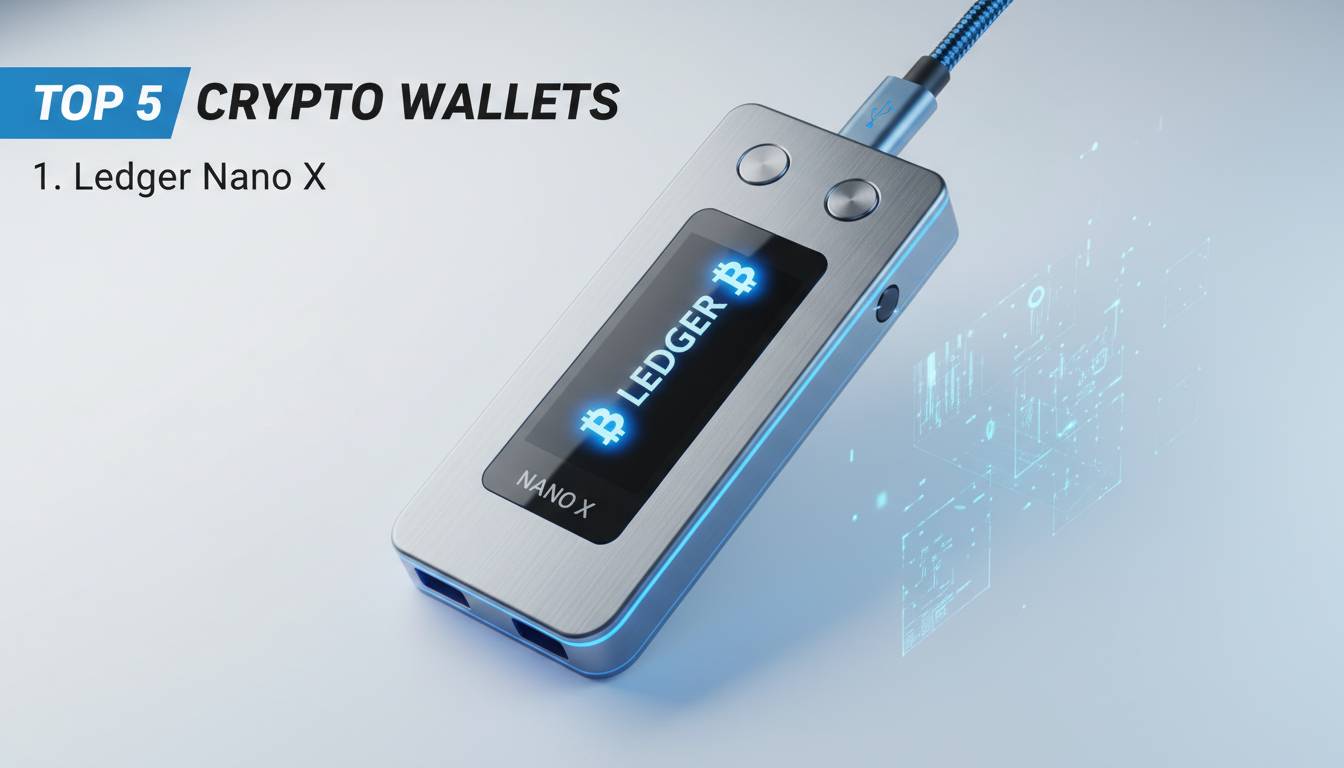
The wallet systems, blockchain transactions, and NFT storage required for metaverse investing create technical barriers and potential failure points. Lost private keys mean permanent loss of property with no recovery mechanism. Security practices must be impeccable—hardware wallets, secure backups, and vigilant operational security represent absolute requirements.
Liquidity Concerns
While secondary marketplaces facilitate sales, metaverse real estate lacks the liquidity of stocks or even cryptocurrency. Finding buyers at desired prices can take substantial time, and during market downturns, liquidity can vanish entirely. Investors should maintain sufficient liquid reserves to avoid forced selling during adverse conditions.
Indian Regulatory and Tax Considerations
Indian investors face specific considerations regarding regulation and taxation of metaverse real estate holdings.
The Reserve Bank of India and Securities and Exchange Board of India have not issued specific guidance on virtual real estate, creating ambiguity about how these assets will be classified. The 2022 cryptocurrency taxation framework, which introduced 30% capital gains tax on virtual digital assets, explicitly included NFTs—potentially capturing metaverse land transactions. However, definitive administrative guidance specific to metaverse property remains absent.
Gifts of metaverse property may trigger gift tax implications, and inheritance planning for these assets requires consideration of current succession laws. Consulting with tax professionals familiar with both traditional real estate and digital asset taxation helps ensure compliance with evolving requirements.
Foreign exchange regulations also merit attention. Transactions involving international platforms require crossing foreign exchange boundaries, and investors should ensure compliance with FEMA guidelines governing overseas investments.
Conclusion
Metaverse real estate represents a genuinely novel investment category offering exposure to the broader digitization of human experience. For Indian investors, the asset class provides portfolio diversification opportunities while introducing substantial new risk dimensions requiring careful management.
The fundamental value proposition—digital scarcity combined with network effects and experiential monetization—has logical foundations, but execution risk across platforms remains significant. Success requires selecting platforms thoughtfully, acquiring properties strategically, managing technical infrastructure competently, and maintaining realistic expectations about volatility and timeline to potential returns.
Indian investors approaching this space should begin with modest allocations while learning the technical and market dynamics. Engaging with experienced communities, using reputable marketplaces, and maintaining comprehensive transaction records positions investors to capture potential upside while managing downside risks appropriately.
As the metaverse concept continues evolving from early adoption toward mainstream acceptance, informed investors who understand both the opportunities and limitations will be best positioned to navigate this emerging asset class successfully.
Frequently Asked Questions
Is metaverse real estate a good investment for Indian beginners?
Metaverse real estate carries significant complexity and risk, making it unsuitable as a first investment for most Indian investors. Beginners should establish fundamental financial literacy through traditional investments like mutual funds, fixed deposits, and physical real estate before considering digital assets. If interested, starting with very small positions while learning the technical and market dynamics is advisable.
How is metaverse property taxed in India?
The Indian taxation framework for virtual digital assets, introduced in 2022, imposes 30% capital gains tax on profits from transferring VDA assets, including potentially NFTs representing metaverse land. However, specific guidance on metaverse real estate remains limited. Investors must maintain detailed transaction records and consult tax professionals for current compliance requirements.
Which metaverse platform is best for real estate investment in 2024?
No single platform dominates definitively. Decentraland and The Sandbox offer the most established ecosystems with track records, while newer platforms like Otherside present higher risk but potentially greater upside. Diversification across multiple platforms reduces single-platform failure risk. Platform selection should align with individual risk tolerance and investment thesis.
Can I lose all my money in metaverse real estate?
Yes, complete loss is possible. Platforms may fail, cryptocurrency values may collapse, regulatory actions may restrict the asset class, and technical errors can result in permanent loss of property. Only capital that investors can afford to lose entirely should be allocated to metaverse real estate.
How do I safely store my metaverse property?
Metaverse property exists as NFTs in cryptocurrency wallets. Hardware wallets (like Ledger or Trezor devices) provide the highest security for storing the private keys required to access these assets. Software wallets should be avoided for significant holdings. Critical backup procedures for seed phrases are essential—loss means permanent loss of property.