
Cryptocurrency has transformed from a niche technology experiment into a legitimate asset class attracting millions of Indian investors. With over 15 crore (150 million) crypto users in India as of 2024, digital assets have become an integral part of the country’s financial landscape. This comprehensive guide walks you through everything you need to know to start your crypto investment journey safely and effectively.
Understanding Cryptocurrency: The Basics
Cryptocurrency represents a digital or virtual currency secured by cryptography, operating on decentralized networks using blockchain technology. Unlike traditional currencies issued by governments (fiat currencies), cryptocurrencies operate without a central authority like a bank or government.
The underlying technology, blockchain, is a distributed ledger that records all transactions across a network of computers. This technology ensures transparency, security, and immutability—meaning once a transaction is recorded, it cannot be altered. Bitcoin, created in 2009 by an unknown person or group using the name Satoshi Nakamoto, was the first cryptocurrency and remains the most valuable and widely recognized.
For Indian investors, understanding cryptocurrency begins with recognizing key concepts. A “wallet” doesn’t hold actual coins but stores your private keys—secret passwords that authorize transactions. The public address, similar to a bank account number, allows others to send you cryptocurrency. When you invest, you’re essentially buying tokens at a certain price hoping their value increases over time.
The Legal Status of Crypto in India
India’s approach to cryptocurrency regulation has evolved significantly. In March 2024, the Indian government officially recognized cryptocurrency as a virtual digital asset (VDA), providing legal clarity that removed years of uncertainty for investors.
The Income Tax Department classifies crypto gains as “income from other sources,” making them taxable. Goods and Services Tax (GST) at 18% applies to crypto exchange services. While the Reserve Bank of India (RBI) had previously imposed a banking ban in 2018, the Supreme Court overturned this in 2020, allowing banks to facilitate crypto transactions.
The government is currently working on comprehensive crypto legislation, with the Cryptocurrency and Regulation of Official Digital Currency Bill potentially establishing a regulatory framework. Indian investors should stay updated on regulatory developments, as the landscape continues to mature.
Choosing the Right Crypto Exchange in India
Selecting a reliable cryptocurrency exchange forms the foundation of your investment journey. Indian investors have access to several regulated and reputable platforms.
CoinDCX is one of India’s largest crypto exchanges, offering over 300 cryptocurrencies with competitive trading fees starting at 0.06%. The platform provides beginner-friendly features including a learning program called “CoinDCX Learn” that rewards users with crypto for completing educational modules.
WazirX, owned by Binance, boasts the largest trading volume in India and offers seamless INR deposits through UPI, IMPS, and bank transfers. Its P2P (peer-to-peer) feature allows users to trade directly with others.
ZebPay, operating since 2014, is one of India’s oldest crypto exchanges with a strong security track record. The platform offers instant INR deposits and supports a wide range of cryptocurrencies.
Coinstats provides portfolio tracking across multiple exchanges, helping you manage all your crypto investments from a single dashboard.
When choosing an exchange, prioritize these factors: security features (two-factor authentication, cold storage), trading fees, deposit/withdrawal options, customer support quality, and regulatory compliance. All major exchanges now require KYC (Know Your Customer) verification, which involves submitting identity documents.
Setting Up Your Crypto Account
Opening a crypto account in India follows a straightforward process similar to opening a bank account.
Step 1: Choose your exchange based on your investment goals and security requirements.
Step 2: Register with your email and phone number. You’ll receive verification codes to confirm your identity.
Step 3: Complete KYC verification. This requires uploading a government-issued ID (Aadhaar, PAN, or passport) and proof of address. Verification typically takes 24-48 hours.
Step 4: Enable two-factor authentication (2FA) using Google Authenticator or SMS verification for enhanced security.
Step 5: Deposit Indian Rupees through UPI, bank transfer, or debit card. Most exchanges support instant UPI transfers with minimal fees.
Step 6: Start buying cryptocurrency. Begin with small amounts to understand the platform’s functionality before making larger investments.
Always enable withdrawal whitelisting, which restricts transfers to pre-approved addresses only. This protects your funds even if someone gains access to your account.
Types of Cryptocurrencies to Consider
The crypto market contains thousands of digital assets, each serving different purposes. Understanding the major categories helps you build a diversified portfolio.
Bitcoin (BTC) remains the gold standard of cryptocurrency. As the first and most valuable crypto asset, Bitcoin is often considered a store of value and “digital gold.” Its limited supply of 21 million coins creates scarcity, and institutional adoption continues growing worldwide.
Ethereum (ETH) powers smart contracts and decentralized applications (dApps). Its native token, Ether, serves as “digital fuel” for transactions on the network. The transition to Ethereum 2.0 has improved scalability and reduced energy consumption.
Stablecoins like USDT, USDC, and Dai maintain a 1:1 peg with fiat currencies (typically USD). These provide stability during crypto market volatility and enable easy entry/exit points for Indian investors.
Altcoins encompass all cryptocurrencies other than Bitcoin. Popular options include Solana (fast transactions), Cardano (academic approach to development), Polygon (Ethereum scaling solution), and Polkadot (interoperability between blockchains).
For beginners, starting with Bitcoin and Ethereum provides exposure to the most established projects before exploring smaller altcoins with higher risk but potentially higher rewards.
Investment Strategies for Indian Investors
Successful crypto investing requires discipline and strategy rather than emotional decision-making based on market hype.
Dollar-Cost Averaging (DCA) involves investing fixed amounts regularly regardless of price. This strategy reduces the impact of volatility by buying more when prices are low and less when prices are high. For example, investing ₹5,000 monthly in Bitcoin over two years smooths out purchase prices compared to lump-sum investing.
HODLing, derived from a misspelling of “hold,” refers to long-term holding regardless of price fluctuations. This strategy works well for quality assets like Bitcoin and Ethereum, which have historically appreciated over extended periods.
Diversification spreads investments across different crypto assets to reduce risk. Rather than putting all funds into one cryptocurrency, allocate across Bitcoin (50%), Ethereum (30%), and promising altcoins (20%) based on your risk tolerance.
Research before investing cannot be overstated. Understand the project’s utility, team, tokenomics (supply and distribution), and competitive advantages. Avoid investments based solely on social media hype or celebrity endorsements.
Indian investors should also consider the rupee’s value against the dollar when calculating returns, as crypto is predominantly priced in USD.
Understanding and Managing Risks
Cryptocurrency investments carry significant risks that every Indian investor must understand.
Volatility remains the defining characteristic of crypto markets. Prices can swing 20-30% within days based on news, regulatory announcements, or market sentiment. Never invest money you cannot afford to lose entirely.
Security threats include hacking, phishing scams, and fraud. India’s crypto ecosystem has witnessed several exchange hacks, including the 2022 WazirX security breach affecting thousands of users. Using hardware wallets for large holdings and enabling all security features provides essential protection.
Regulatory risk stems from evolving government policies. While India has provided some clarity, future regulations could impact crypto trading or holding.
Scam awareness protects your investments from common fraud schemes. Ponzi schemes promising guaranteed returns, fake exchanges, and phishing emails attempting to steal wallet credentials are prevalent. Always verify URLs, never share private keys, and be skeptical of unsolicited investment offers.
Emotional trading leads to poor decisions. Fear and greed drive market movements—selling during panics and buying during peaks are common mistakes. Having a clear investment plan helps avoid reactive decisions.
Tax Implications for Crypto in India
Understanding your tax obligations prevents legal complications and helps you plan your investment returns effectively.
The Income Tax Act classifies crypto gains as “income from other sources.” Short-term capital gains (assets held less than 24 months) are taxed at your income tax slab rate. Long-term capital gains (held more than 24 months) enjoy beneficial treatment with 20% tax after indexation.
Trading on Indian exchanges requires TDS (Tax Deducted at Source) of 1% on transactions exceeding ₹10,000, deducted by the exchange. This can be claimed back when filing taxes.
Documentation is essential. Maintain records of all transactions including purchase price, sale price, date, and exchange. Many Indian exchanges provide annual transaction summaries that simplify tax filing.
Consult a qualified CA familiar with crypto taxation for complex portfolios. The tax treatment continues evolving as the government finalizes comprehensive crypto regulations.
Storing Your Cryptocurrency Safely
Proper storage protects your investments from theft and loss.
Hot wallets (online software wallets) offered by exchanges provide convenience for frequent trading. They’re connected to the internet, making them somewhat vulnerable to hacking. Use only for small trading amounts.
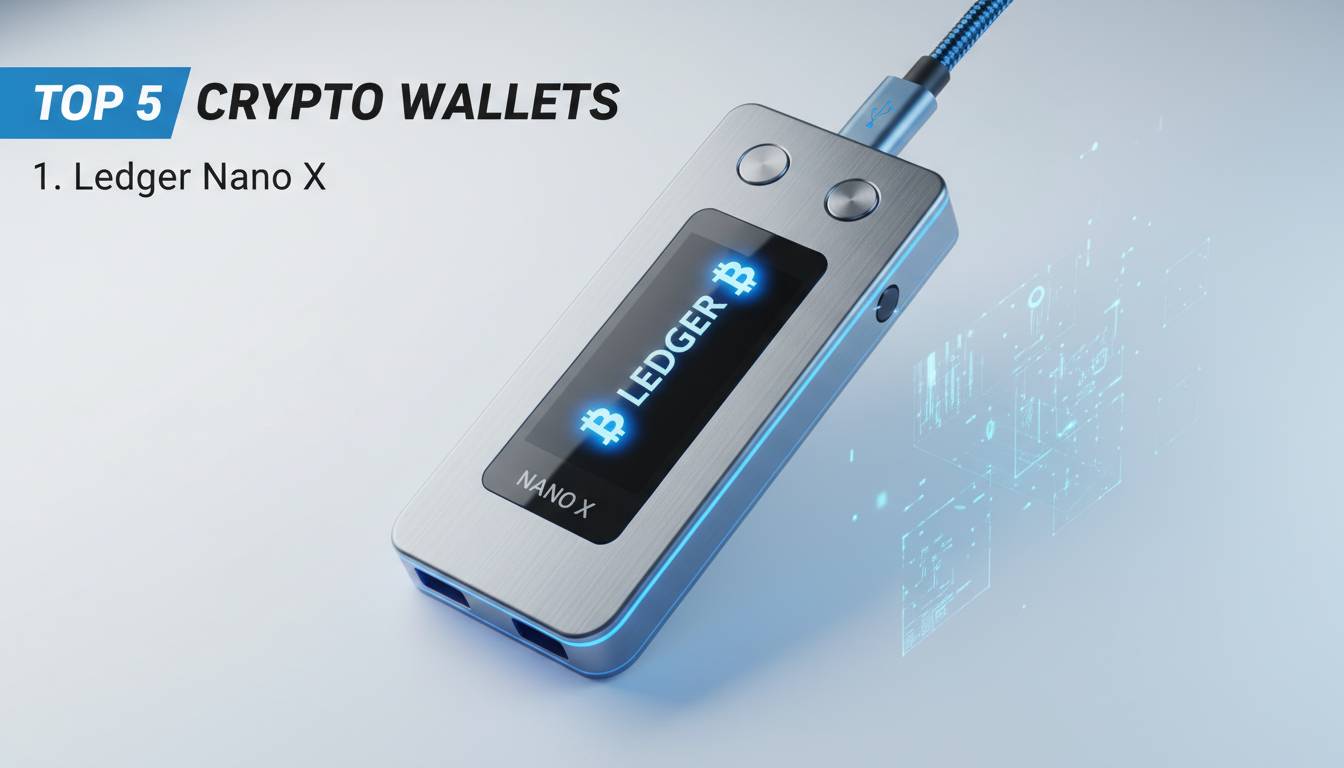
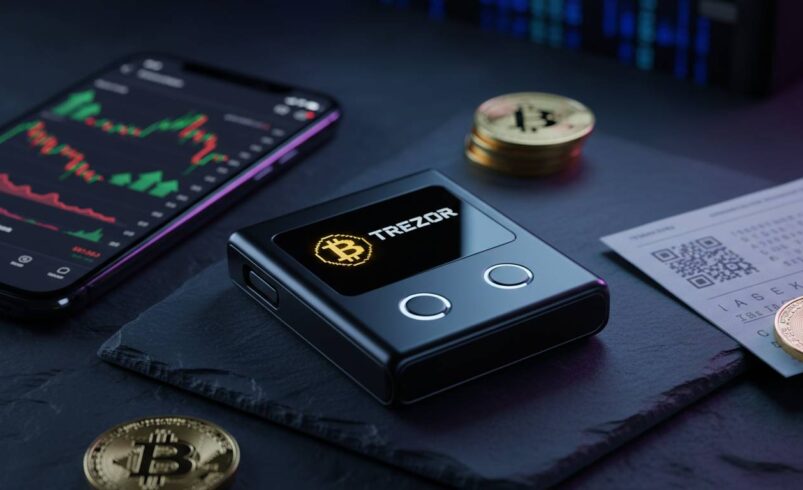
Cold wallets (hardware wallets) store your private keys offline. Devices like Ledger and Trezor are considered the safest option for significant holdings. These physical devices cost between ₹3,000-₹10,000 and represent the gold standard in crypto security.
Paper wallets involve printing your private keys on paper—completely offline but vulnerable to physical damage or loss. They’re suitable only for long-term holders comfortable with the technical process.
For Indian investors, a balanced approach works well. Keep 5-10% of holdings in hot wallets for trading convenience and store the remainder in hardware wallets. Never share your private keys with anyone—legitimate services never ask for them.
Building a Sustainable Crypto Portfolio
Creating a portfolio aligned with your financial goals and risk tolerance sets the foundation for long-term success.
Define your investment goals. Are you seeking long-term wealth accumulation, short-term trading profits, or portfolio diversification? Goals determine your strategy and asset selection.
Allocate appropriately. A common approach for Indian beginners allocates 5-10% of total investable assets to crypto, given its volatility. Within crypto, consider 60-70% in Bitcoin, 20-30% in Ethereum, and 10-20% in altcoins.
Rebalance periodically. Review your portfolio quarterly or semi-annually. Rebalancing maintains your target allocation as prices fluctuate.
Stay informed but avoid information overload. Follow reliable crypto news sources like CoinDesk, CoinTelegraph, and Indian-specific outlets. Excessive information leads to reactive decisions.
Continue learning. The crypto space evolves rapidly. Understanding blockchain technology, DeFi (Decentralized Finance), NFTs, and emerging trends helps you identify opportunities.
Frequently Asked Questions
Is cryptocurrency legal in India?
Yes, cryptocurrency is legal in India. Following the March 2024 budget announcement, crypto is recognized as a Virtual Digital Asset (VDA). You can legally buy, sell, and hold cryptocurrency through registered Indian exchanges. However, regulatory frameworks continue developing, and investors should stay updated on future regulations.
How much money do I need to start investing in crypto?
You can start with as little as ₹100 on most Indian exchanges. However, considering transaction fees, investing at least ₹1,000-₹5,000 allows meaningful portfolio building while covering costs. Never invest money you cannot afford to lose entirely.
Which cryptocurrency should I buy first?
Bitcoin (BTC) and Ethereum (ETH) are recommended for beginners due to their established track records, high liquidity, and widespread adoption. These blue-chip cryptos experience less volatility compared to smaller altcoins and are available on all Indian exchanges.
How do I convert crypto profits back to Indian Rupees?
Selling crypto on Indian exchanges converts your holdings to INR instantly. You can then withdraw funds to your bank account through UPI or IMPS. Withdrawal times vary from instant to 1-3 business days depending on the exchange and your bank.
Are crypto investments safe?
Crypto investments carry inherent risks including volatility, regulatory uncertainty, and security threats. However, you can minimize risks by using reputable exchanges, enabling 2FA, storing significant holdings in hardware wallets, and never investing more than you can afford to lose.
Do I need to pay tax on crypto gains in India?
Yes, crypto gains are taxable in India. Short-term gains (under 24 months) are taxed at your income slab rate, while long-term gains (over 24 months) are taxed at 20% with indexation benefits. Additionally, exchanges deduct 1% TDS on transactions above ₹10,000.
Conclusion
Cryptocurrency investing offers Indian investors access to a transformative asset class with significant growth potential. Success requires understanding the basics, choosing reputable platforms, implementing strong security practices, and maintaining disciplined investment strategies.
Start small, learn continuously, and never let emotions drive your investment decisions. The crypto market rewards patient investors who understand the technology and manage risks effectively. With proper research and a long-term perspective, cryptocurrency can be a valuable addition to your investment portfolio.
Remember: in crypto, as with all investments, the golden rule remains—only invest what you can afford to lose.