
Ethereum (ETH), the world’s second-largest cryptocurrency by market capitalization, continues to be a cornerstone of the digital asset ecosystem. As India emerges as one of the fastest-growing cryptocurrency markets globally, understanding Ethereum’s price dynamics has become increasingly crucial for Indian investors and enthusiasts alike. This comprehensive analysis examines the key factors driving Ethereum’s valuation, expert perspectives on future trends, and essential insights for navigating the Indian cryptocurrency landscape.
Current Market Overview
Ethereum operates as the foundational platform for decentralized applications (dApps), smart contracts, and the broader decentralized finance (DeFi) ecosystem. Unlike Bitcoin, which primarily serves as a store of value, Ethereum’s utility stems from its programmable blockchain that enables developers to build diverse applications ranging from NFT marketplaces to lending protocols.
The Indian cryptocurrency market has experienced significant growth, with exchanges reporting substantial increases in user registrations and trading volumes. Indian investors have shown particular interest in Ethereum due to its technological applications and potential for generating returns through staking and DeFi participation. Major Indian exchanges including CoinDCX, WazirX, and ZebPay continue to facilitate substantial Ethereum trading volumes, reflecting strong domestic demand.
Key Factors Influencing Ethereum Price
Network Upgrade and Technological Developments
Ethereum’s transition to Proof of Stake (PoS) through “The Merge” represented one of the most significant upgrades in cryptocurrency history. This transformation reduced the network’s energy consumption by approximately 99.95%, addressing environmental concerns that had previously attracted criticism. Subsequent upgrades including Shapella have introduced features allowing validators to withdraw staked ETH, further enhancing the network’s functionality.
The upcoming Pectra upgrade, expected to implement in late 2025 or early 2026, promises improvements to account abstraction and validator efficiency. These technological advancements typically influence investor sentiment and can affect price movements. Historical patterns suggest that major network upgrades have often preceded periods of increased institutional interest and price appreciation.
Institutional Adoption and ETF Developments
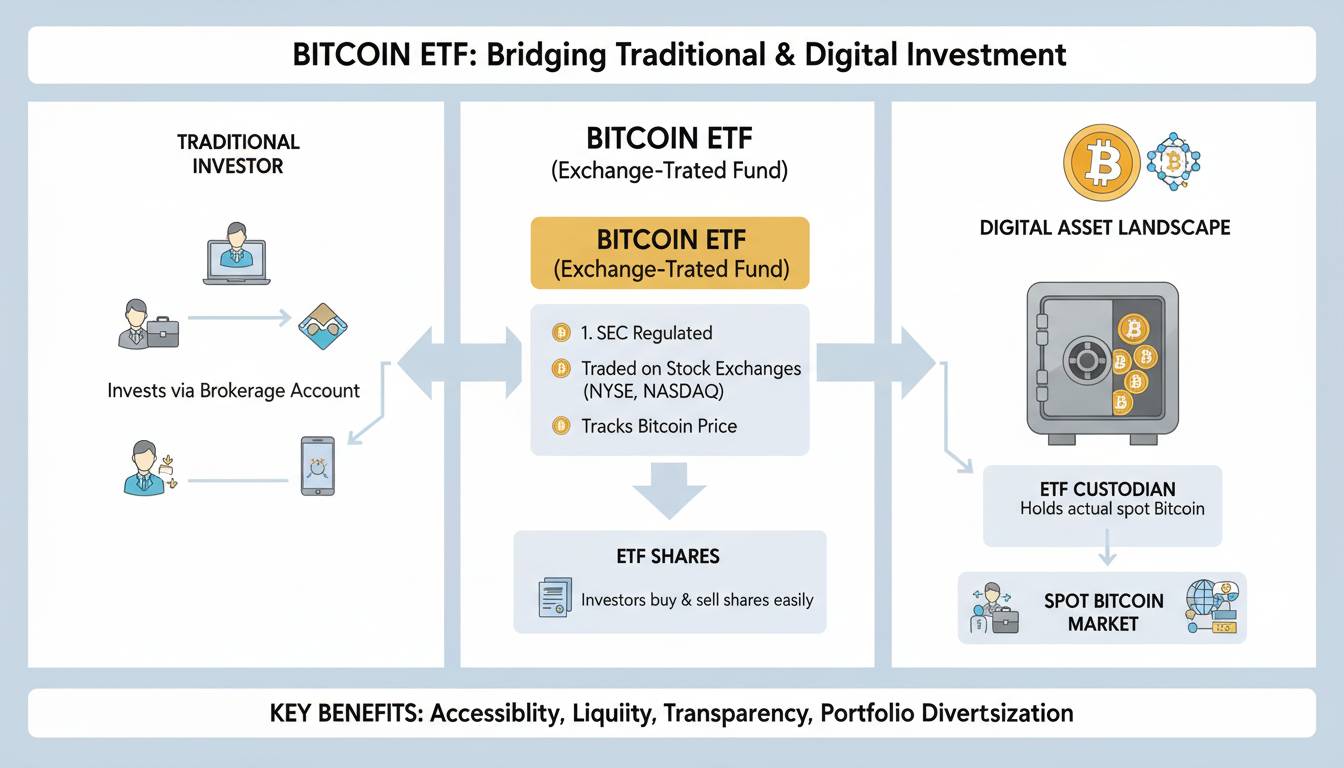
The approval of Ethereum-based exchange-traded funds (ETFs) in the United States marked a watershed moment for institutional adoption. Following the SEC’s decision in 2024, multiple spot Ethereum ETFs began trading, providing traditional investors with regulated exposure to Ethereum. This development has significantly expanded the investor base beyond crypto-native individuals to include pension funds, family offices, and asset managers.
Indian investors can access similar exposure through international brokerage accounts or domestically through cryptocurrency-focused investment products offered by some Indian platforms. The availability of regulated investment vehicles has generally correlated with increased price stability and reduced volatility over time.
Market Sentiment and Macroeconomic Factors
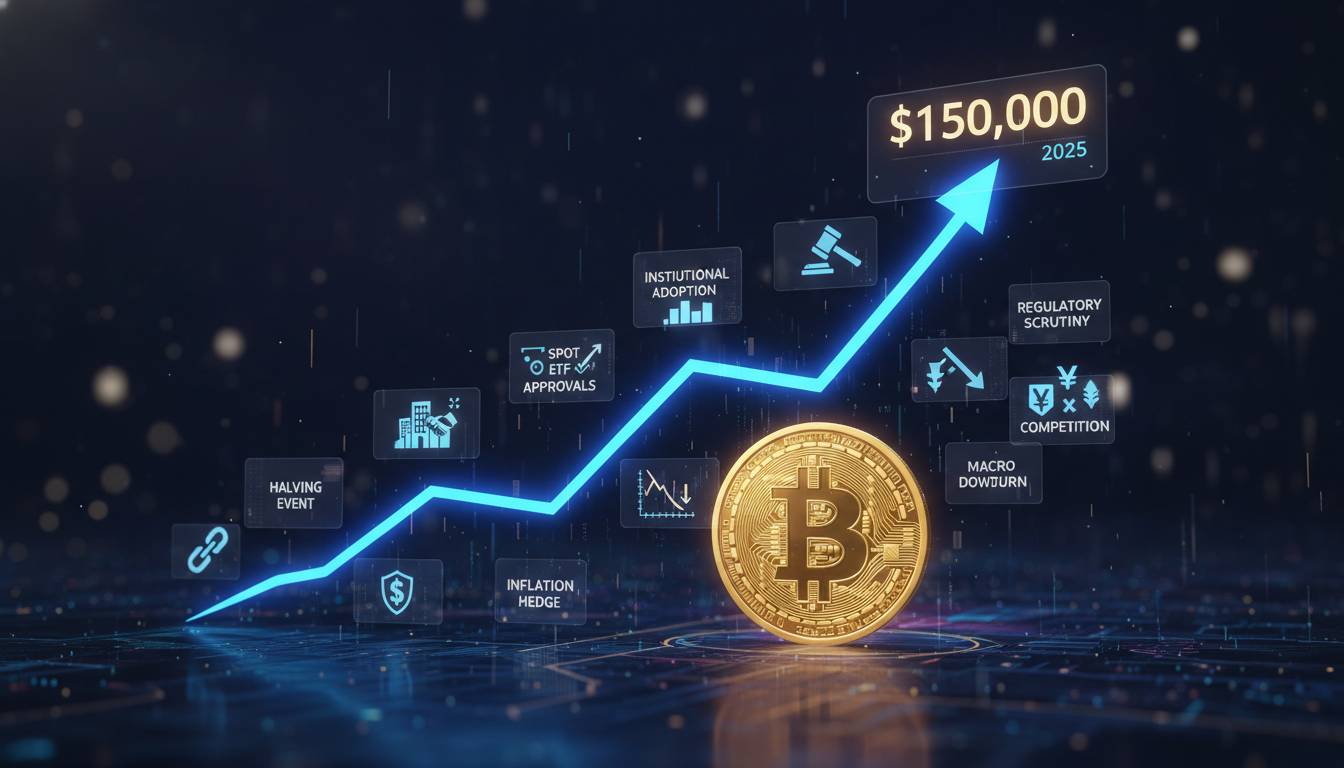
Cryptocurrency markets remain sensitive to broader macroeconomic conditions. Interest rate decisions by the Federal Reserve, inflation data, and global economic uncertainty all influence capital flows into digital assets. During periods of monetary tightening, risk assets including cryptocurrencies often experience downward pressure, while easing monetary policy tends to support higher valuations.
The correlation between Ethereum and traditional markets, particularly technology stocks, has become more pronounced in recent years. This relationship means that Indian investors should consider global market conditions when evaluating Ethereum’s potential movements.
Technical Analysis Framework
Technical analysis provides tools for understanding price patterns and potential future movements. Indian traders often utilize platforms like TradingView to analyze Ethereum’s price action against the Indian Rupee (ETH/INR) pair.
Moving Averages and Trend Analysis
Traders commonly examine the 50-day and 200-day moving averages to identify trend direction. When Ethereum’s price maintains above these moving averages, it generally indicates bullish momentum. Conversely, sustained movement below these levels may signal bearish conditions. Support and resistance levels, identified through historical price action, help traders determine potential entry and exit points.
On-Chain Metrics
On-chain data provides insights into network health and user behavior. Key metrics include:
| Metric | Significance | Current Relevance |
|---|---|---|
| Active Addresses | Network usage indicator | Reflects real-world adoption |
| Transaction Volume | Economic activity measure | Indicates platform utility |
| Gas Prices | Network demand indicator | Shows DeFi and NFT market activity |
| Staking Participation | Network security and belief | Demonstrates long-term confidence |
Volatility Considerations
Ethereum historically exhibits higher volatility compared to Bitcoin and traditional assets. This characteristic presents both opportunities and risks. Indian investors should calibrate position sizes accordingly and avoid investing more than they can afford to lose. The 24-hour trading volume on Indian exchanges often exceeds several hundred crores rupees, indicating substantial liquidity.
Indian Market Context
Regulatory Environment
The Indian regulatory landscape for cryptocurrencies has evolved significantly. The government imposed a 30% tax on cryptocurrency gains in 2022, followed by a 1% Tax Deducted at Source (TDS) requirement on cryptocurrency transactions. While these regulations have created compliance requirements, they have also provided legal clarity that some investors view as recognition of the asset class.
The Reserve Bank of India (RBI) has expressed cautious views on cryptocurrencies while not explicitly banning them. Indian investors should maintain awareness of regulatory developments, as future policy changes could impact market participation.
Exchange Infrastructure
India boasts several cryptocurrency exchanges that support Ethereum trading. These platforms provide various features including:
- Instant INR deposits through UPI, bank transfers, and payment gateways
- Multiple trading pairs including ETH/USDT, ETH/INR, and ETH/BTC
- Staking services allowing Indian investors to earn yields on their holdings
- Educational resources helping new investors understand Ethereum and blockchain technology
Investment Strategies for Indian Investors
Indian investors should consider several factors specific to the domestic market. The 30% tax on gains makes long-term holding potentially more tax-efficient than frequent trading, as each transaction triggers TDS and capital gains calculations. Dollar-cost averaging (DCA) strategies can help mitigate volatility risk while building positions over time.
Expert Market Perspectives
Industry analysts employ various methodologies to forecast Ethereum’s potential trajectory. While no prediction methodology offers certainty, understanding different analytical frameworks helps investors make informed decisions.
Valuation Models
Some analysts utilize network value to transaction volume (NVT) ratios, often called “crypto P/E ratios,” to assess whether Ethereum is overvalued or undervalued relative to its utility. Others focus on stock-to-flow models adapted for Ethereum, though these remain controversial within the cryptocurrency community.
The total value locked (TVL) in DeFi protocols represents another metric analysts monitor, as it reflects the economic activity occurring on Ethereum’s blockchain. When DeFi TVL increases, it generally indicates growing confidence in the ecosystem’s utility.
Risk Factors
Several factors could negatively impact Ethereum’s price:
- Regulatory crackdown in major markets including India, the US, or the EU
- Competition from alternative Layer-1 blockchains such as Solana, Cardano, or Avalanche
- Security vulnerabilities in smart contracts or the Ethereum protocol
- Prolonged macroeconomic weakness reducing risk appetite globally
Bullish Considerations
Conversely, factors supporting potential price appreciation include:
- Continued institutional adoption through ETFs and corporate treasury holdings
- Expansion of real-world asset tokenization on Ethereum
- Growth in gaming and metaverse applications built on Ethereum
- Ethereum’s dominant position in the dApp and DeFi ecosystems
Investment Considerations
Indian investors approaching Ethereum should conduct thorough due diligence. This includes understanding the technological fundamentals, assessing personal risk tolerance, and considering portfolio diversification.
Portfolio Allocation
Financial experts typically recommend that cryptocurrency allocations remain a small percentage of a diversified investment portfolio. The high volatility characteristic of digital assets makes them unsuitable for investors with low risk tolerance or those requiring capital preservation.
Security Practices
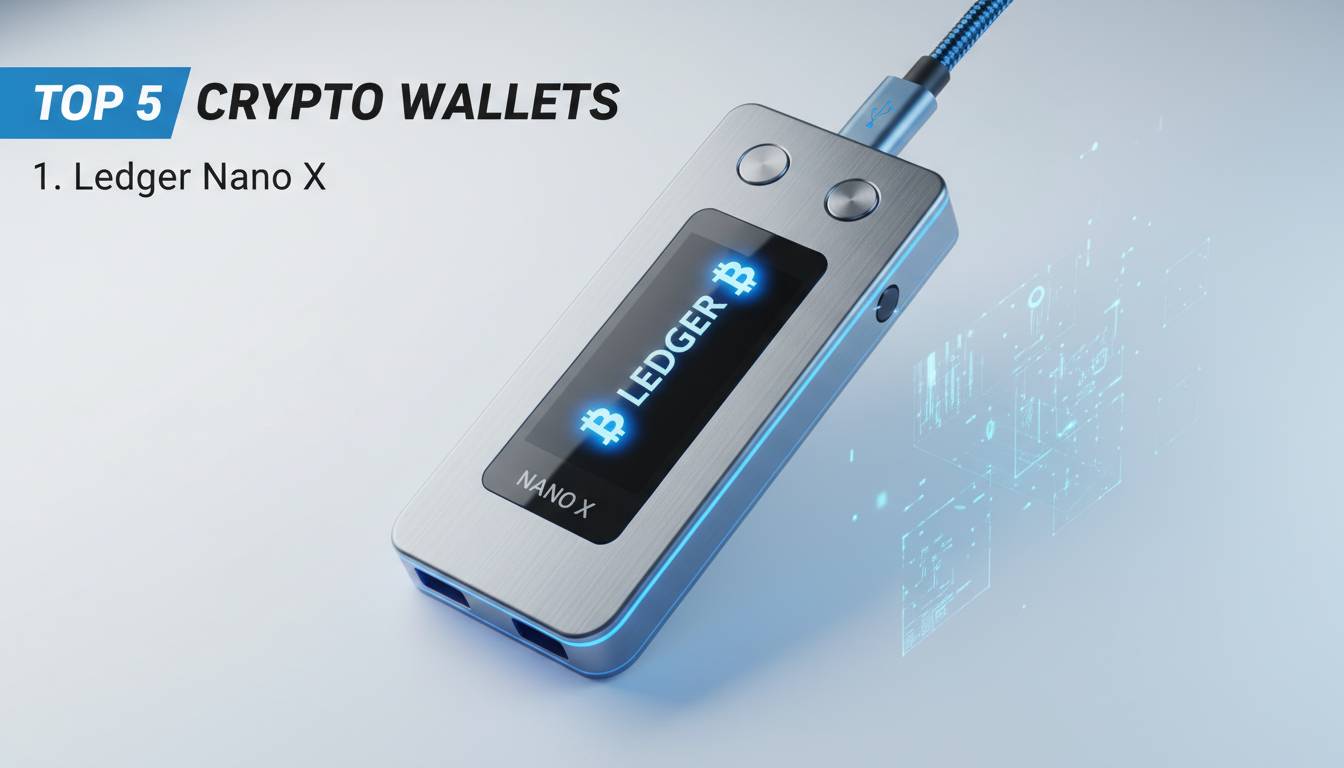
Indian investors should prioritize security when holding Ethereum. Hardware wallets provide the highest security for significant holdings, while reputable exchanges offer insurance coverage for assets held on their platforms. Two-factor authentication, unique passwords, and awareness of phishing attempts are essential security practices.
Long-Term Perspective
Historical cryptocurrency markets have demonstrated significant volatility with multiple boom-bust cycles. Investors who have maintained long-term positions through market cycles have generally been rewarded, though past performance does not guarantee future results.
Conclusion
Ethereum remains a pivotal asset in the cryptocurrency ecosystem, offering both technological utility and investment potential. For Indian investors, understanding the factors driving Ethereum’s price—institutional adoption, network upgrades, regulatory developments, and macroeconomic conditions—provides a foundation for informed decision-making.
The cryptocurrency market’s inherent volatility demands careful risk management and realistic expectations. While Ethereum’s fundamental developments appear positive from a technological standpoint, investors should approach the market with appropriate caution, diversify their portfolios, and invest only what they can afford to lose entirely.
As India’s cryptocurrency market continues to mature, staying informed about both global trends and domestic regulatory developments will prove essential for navigating this dynamic asset class.
Frequently Asked Questions
Q: Is Ethereum a good investment for Indian investors in 2025?
Ethereum offers potential for Indian investors seeking exposure to blockchain technology, but it carries significant volatility risk. The 30% tax on gains and 1% TDS make tax-efficient strategies important. Consider your risk tolerance, investment timeline, and portfolio diversification before investing.
Q: How is Ethereum price determined in India?
Ethereum price on Indian exchanges reflects global market rates converted to Indian Rupees, adjusted for local supply and demand. Prices may differ slightly from international exchanges due to regional liquidity and market conditions.
Q: Can I stake Ethereum in India?
Yes, several Indian exchanges offer staking services where you can earn yields by locking your ETH to support the network’s Proof of Stake consensus mechanism. Staking rewards typically range from 3-8% annually, though rates vary.
Q: What affects Ethereum price the most?
Major price factors include institutional adoption (particularly ETF flows), network upgrades and technological developments, macroeconomic conditions, regulatory developments, and overall cryptocurrency market sentiment.
Q: Is Ethereum better than Bitcoin for investment?
This depends on individual investment goals. Bitcoin is primarily considered a store of value, while Ethereum offers utility through its smart contract platform. Many portfolios include both assets for different purposes. Both have experienced significant volatility.
Q: How do I safely buy Ethereum in India?
Create an account on a reputable Indian cryptocurrency exchange, complete KYC verification, deposit Indian Rupees through approved payment methods, and purchase ETH. Transfer significant holdings to a hardware wallet for enhanced security.
Disclaimer: This article is for informational purposes only and does not constitute financial or investment advice. Cryptocurrency investments carry substantial risk including potential loss of capital. Indian investors should consult qualified financial advisors and conduct independent research before making investment decisions. Tax implications mentioned are subject to change based on regulatory updates.