
Decentralized finance (DeFi) staking has become a popular way for Indian cryptocurrency holders to earn passive income on their digital assets. As traditional savings accounts offer diminishing returns, DeFi staking rewards present an alternative that can deliver higher annual percentage yields. This guide covers everything Indian investors need to know about DeFi staking rewards, from basic concepts to practical implementation strategies.
What Is DeFi Staking?
DeFi staking involves locking up cryptocurrency assets in a DeFi protocol to support blockchain network operations like network validation, liquidity provision, or governance voting. In return, stakers receive rewards, typically paid in the platform’s native token or in the same cryptocurrency they staked.
Unlike traditional fixed deposits where banks use customer funds for lending, DeFi staking secures blockchain networks directly. When you stake your tokens, you contribute to network security and operational efficiency. The blockchain protocol then distributes newly minted tokens or transaction fees as rewards to participants who have staked their assets.
The concept gained significant popularity after Ethereum transitioned to proof-of-stake in September 2022, which validated staking as a legitimate mechanism for earning yields while supporting network sustainability. For Indian investors exploring alternatives to conventional investment options, DeFi staking rewards offer an entry point into the broader decentralized finance ecosystem.
How DeFi Staking Rewards Work
Understanding the mechanics behind DeFi staking rewards requires examining two primary metrics: Annual Percentage Yield and Annual Percentage Rate. APY accounts for compound interest, meaning rewards earned are reinvested to generate additional returns over time. APR, conversely, represents simple interest without compounding effects.
Reward distribution mechanisms vary across different protocols. Some platforms distribute rewards daily, while others weekly or monthly. The frequency of distribution significantly impacts your actual returns, since more frequent compounding generally results in higher effective yields.
Several factors influence the rewards you can earn through DeFi staking. Network demand plays a crucial role, as higher transaction volumes typically translate to greater fee distributions for stakers. Token inflation rates also affect rewards, with some protocols offering attractive initial yields that decrease over time as more tokens enter circulation.
The staking duration matters considerably in determining your returns. Many protocols offer enhanced rewards for longer locking periods, incentivizing investors to commit their assets for extended durations. However, this locked nature introduces liquidity considerations that Indian investors must carefully evaluate.
Best DeFi Staking Platforms for Indian Investors
The DeFi ecosystem offers numerous platforms where Indian investors can stake their assets and earn rewards. Each platform presents unique risk-reward profiles and operational requirements.
Aave is one of the largest DeFi lending protocols, allowing users to supply assets and earn interest. As of recent data, Aave offers variable APY rates that fluctuate based on market demand for borrowing. The platform has over $10 billion in total value locked, making it a relatively safer option for Indian investors entering the DeFi space.
Lido Finance specializes in liquid staking for Ethereum, addressing a common challenge where staked assets become illiquid. Through Lido, Indian investors can stake their ETH and receive stETH tokens representing their staked position. This innovation allows users to earn staking rewards while maintaining flexibility to use their staked assets in other DeFi applications.
Uniswap operates as a decentralized exchange where liquidity providers earn a portion of trading fees. By supplying token pairs to liquidity pools, Indian investors can generate returns through trading fee distributions. The platform has processed billions in trading volume, establishing its position as a cornerstone of the DeFi infrastructure.
Compound functions as an algorithmic interest rate protocol where token supplies and borrows are automated. Lenders earn interest automatically as borrowers pay interest on their loans. The platform’s governance token, COMP, provides additional earning opportunities for active participants.
Step-by-Step Guide to Start DeFi Staking
Beginning your DeFi staking journey requires careful preparation and systematic execution. Indian investors should follow this structured approach to minimize risks while maximizing potential returns.
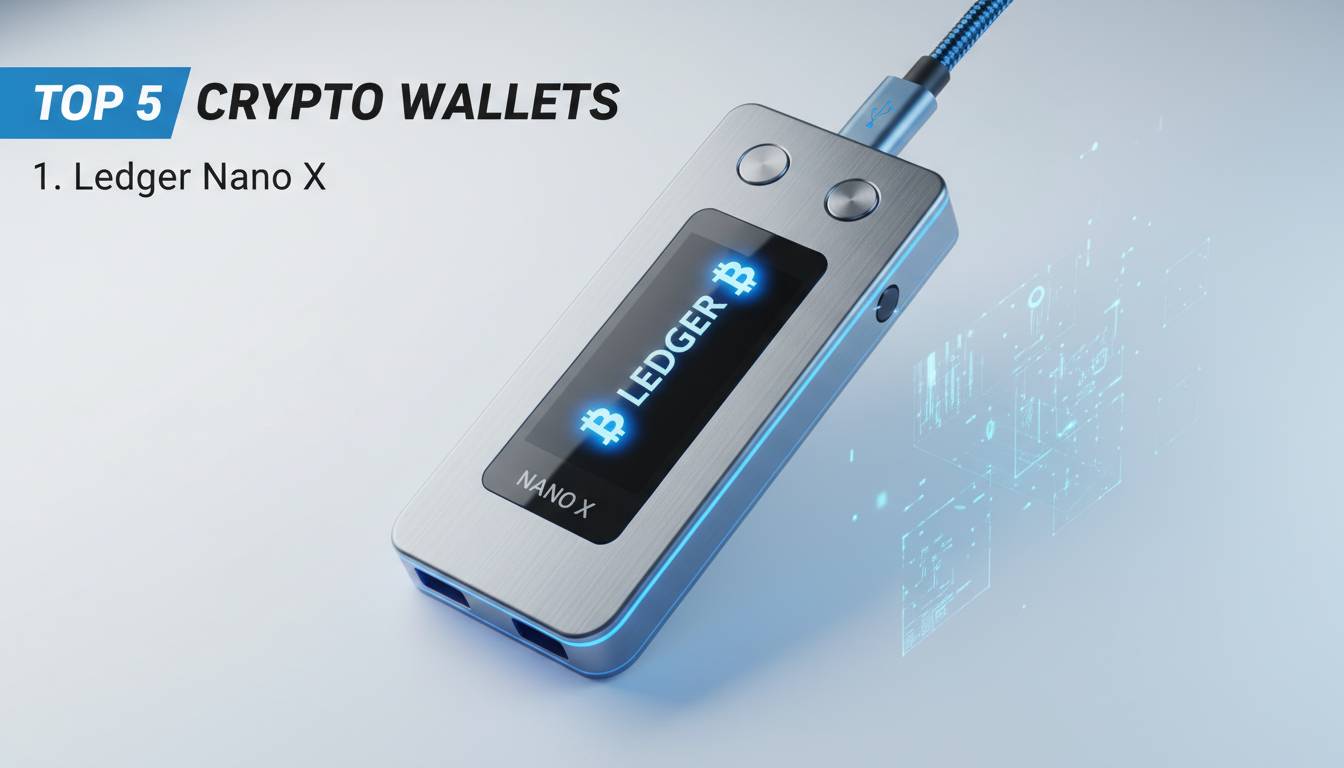
First, select a reputable cryptocurrency wallet that supports the blockchain network where you intend to stake. MetaMask and Coinbase Wallet rank among the most popular options, offering integration with numerous DeFi protocols. Ensure your wallet is secured with strong passwords and hardware wallet backup for significant holdings.
Next, acquire the cryptocurrency you wish to stake. Indian investors can purchase cryptocurrencies through registered exchanges like CoinDCX, WazirX, or ZebPay. Transfer your assets to your DeFi-compatible wallet, noting that some transfers may incur network fees.
Before committing substantial funds, practice with smaller amounts to understand the staking interface and transaction processes. Each DeFi protocol has distinct user interfaces and confirmation requirements. Testing transactions with minimal sums helps identify potential issues before committing larger investments.
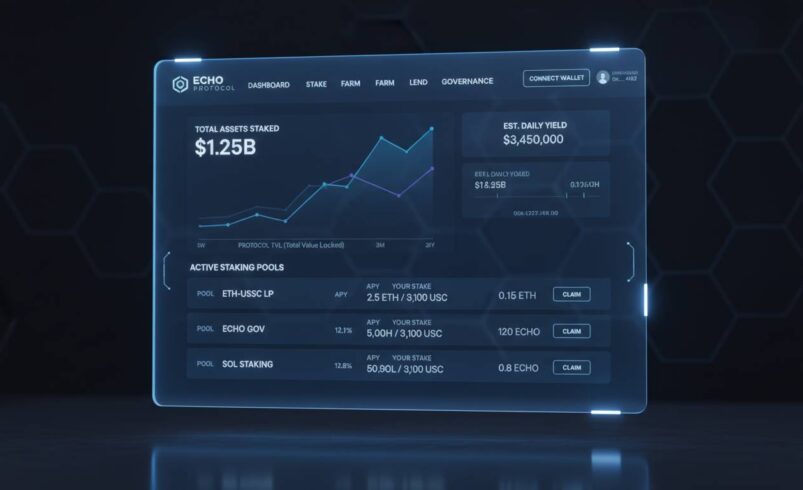
Finally, connect your wallet to your chosen DeFi protocol and initiate the staking process. Approve token spending, confirm transaction amounts, and verify all details before submission. Document your staking positions and monitor them regularly through portfolio trackers or protocol dashboards.
Risks of DeFi Staking Every Investor Should Know
While DeFi staking rewards present attractive earning opportunities, Indian investors must understand the associated risks that could impact their capital.
Smart contract risk represents one of the most significant concerns in DeFi staking. Despite extensive security audits, vulnerabilities in code can lead to fund losses. Historical incidents have demonstrated that even established protocols can contain exploitable weaknesses. Indian investors should research protocol security measures, audit reports, and insurance coverage before committing funds.
Impermanent loss affects liquidity providers when the price ratio between token pairs changes significantly. This phenomenon occurs when withdrawing your assets results in lower value than your initial deposit. While fee earnings may offset impermanent loss in some cases, understanding this risk remains essential for liquidity provision strategies.
Token volatility poses another concern, as cryptocurrency prices can experience substantial fluctuations. Rewards denominated in volatile tokens may lose significant value before conversion to stable assets. Indian investors holding rewards in volatile tokens should consider periodic conversions to manage exposure.
Regulatory uncertainty surrounds DeFi activities in India. The regulatory landscape continues evolving, with potential future restrictions on DeFi platforms or staking activities. Indian investors should stay informed about regulatory developments and maintain compliance with applicable laws.
Strategies to Maximize Your Staking Rewards
Indian investors can employ several strategies to optimize their DeFi staking returns while managing associated risks.
Yield farming involves moving staked assets across multiple protocols to capture the highest available rates. This strategy requires active management and incurs additional transaction costs, but experienced farmers can achieve superior returns through careful timing and protocol selection.
Staking rewards reinvestment accelerates wealth accumulation through compound interest effects. Rather than withdrawing earned rewards, reinvesting them increases your staked position and generates returns on returns over time.
Diversification across protocols reduces concentration risk while providing exposure to various reward structures. Spreading investments across multiple DeFi platforms protects against individual protocol failures while potentially capturing different yield opportunities.
Timing market movements requires understanding token economics and reward distribution schedules. Some protocols offer boosted rewards during promotional periods, presenting opportunities for strategic entry points.
The Future of DeFi Staking in India
India’s cryptocurrency market continues maturing, with DeFi adoption accelerating among tech-savvy investors seeking alternatives to traditional financial products. The country’s large young population and high smartphone penetration create favorable conditions for DeFi expansion.
Emerging trends suggest institutional interest in DeFi staking may increase, potentially introducing more sophisticated products tailored to Indian investors. Layer-2 scaling solutions promise reduced transaction costs, making smaller stakes more economically viable for retail participants.
Regulatory clarity remains crucial for sustainable growth. Clear guidelines providing legal certainty while encouraging innovation could position India as a significant DeFi market globally.
Frequently Asked Questions
Is DeFi staking worth it for Indian investors?
DeFi staking can generate attractive returns compared to traditional savings instruments, but it carries substantial risks including smart contract vulnerabilities and token volatility. Indian investors should only allocate funds they can afford to lose entirely and should thoroughly research each protocol before participating.
What is the best DeFi staking platform for beginners?
Platforms like Aave and Compound offer relatively user-friendly interfaces and established track records, making them suitable for beginners. Starting with smaller amounts allows new users to learn the process before committing larger investments.
How much can you realistically earn from DeFi staking?
APY rates vary significantly across protocols and change based on market conditions. Some stablecoin staking positions offer 3-8% APY, while more volatile token stakes may yield 15% or higher. Returns are not guaranteed and can decrease during periods of low network activity.
Is DeFi staking safe?
DeFi staking involves inherent risks including smart contract failures, impermanent loss, and regulatory changes. No staking position is completely safe. Indian investors should diversify across protocols, use hardware wallets for significant holdings, and stay informed about platform security developments.
Do I need technical knowledge to start DeFi staking?
Basic technical understanding of cryptocurrency wallets and blockchain transactions is necessary. However, many DeFi platforms have simplified their interfaces to accommodate non-technical users. Starting with small amounts and gradually increasing participation helps build confidence and competence.
Are DeFi staking earnings taxable in India?
As of current guidance, cryptocurrency gains in India may be subject to capital gains tax. Indian investors should maintain detailed records of staking rewards and consult tax professionals to ensure compliance with evolving tax regulations.