
Decentralized Finance, or DeFi, is reshaping how people interact with money. Unlike traditional banking where intermediaries control your funds, DeFi allows you to lend, borrow, trade, and earn interest directly—with just a wallet and an internet connection. For Indian users, this represents a transformative opportunity to access global financial markets without relying on traditional institutions.
This guide walks you through everything you need to know about DeFi crypto as a beginner in India, from understanding the fundamentals to actually earning yield on your holdings.
What is DeFi Crypto?
DeFi refers to financial applications built on blockchain networks—primarily Ethereum—that replicate traditional financial services without middlemen. Think of it as an open financial system where anyone with a wallet can participate.
Key characteristics of DeFi include:
- No intermediaries: Transactions happen directly between users through smart contracts
- Transparency: All transactions are visible on the blockchain
- Global access: Anyone with crypto can use DeFi protocols regardless of location
- Custody: You retain control of your funds through your private keys
In India, where banking services remain out of reach for millions and cross-border transactions carry high fees, DeFi offers an alternative pathway to financial services. The Reserve Bank of India (RBI) has clarified that crypto trading is not illegal, though the regulatory landscape continues to evolve.
How DeFi Works: The Basics
At its core, DeFi relies on smart contracts—self-executing programs stored on the blockchain that automatically enforce agreements when conditions are met. When you lend your crypto, a smart contract holds your funds and distributes interest automatically. No bank approval needed.
Key DeFi Components
Decentralized Exchanges (DEXs) like Uniswap and Curve allow you to trade cryptocurrencies directly from your wallet without depositing funds on a centralized platform. These use automated market makers (AMMs) instead of traditional order books.
Yield Farming involves staking or lending your crypto assets in DeFi protocols to earn returns—often significantly higher than traditional savings accounts.
Liquidity Pools are collections of tokens locked in a smart contract to facilitate trading. Providers earn a share of trading fees.
** Lending Protocols** like Aave and Compound let you deposit crypto and earn interest, or borrow against your collateral.
For Indian users, the appeal is clear: earning 8-15% annual percentage yield (APY) on stablecoins versus 3-4% in traditional fixed deposits, with the ability to access funds at any time.
Getting Started with DeFi in India
Prerequisites
Before entering DeFi, you need a few essentials:
- A crypto wallet: MetaMask is the most popular choice for Ethereum-based DeFi. It works as a browser extension and mobile app.
- Cryptocurrency: You’ll need ETH for transaction fees (gas) and stablecoins like USDT or USDC to start earning yield.
- Connection to Indian exchanges: Purchase crypto on Indian platforms like WazirX, CoinDCX, or ZebPay, then transfer to your DeFi wallet.
Setting Up Your Wallet
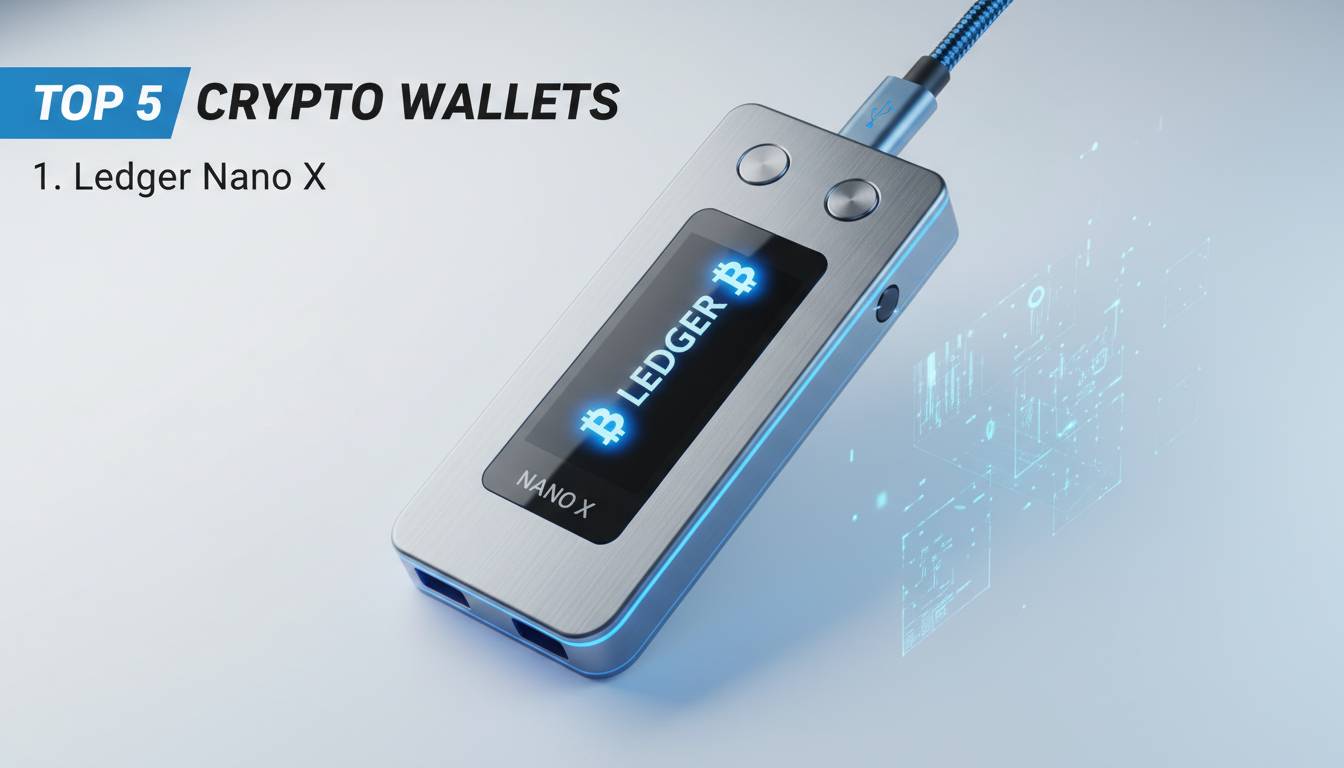
Download MetaMask from the official website or app store. During setup, you’ll receive a 12-word seed phrase—this is your master key. Write it down and store it securely offline. Anyone with this phrase controls your funds. Hardware wallets like Ledger provide additional security for larger holdings.
Bridging to DeFi Protocols
Once you have ETH or stablecoins in your wallet, you can connect to DeFi platforms by clicking “Connect Wallet” on any DeFi website. Your wallet will prompt you to approve the connection. Always verify you’re on the official protocol website—phishing sites are common.
Ways to Earn Yield in DeFi
Earning returns on your crypto holdings is one of DeFi’s most attractive features. Here are the primary methods:
1. Lending
Platforms like Aave and Compound let you deposit assets into liquidity pools. Borrowers pay interest, and lenders earn a share. As of late 2024, you can earn approximately 4-8% APY on stablecoins and 2-5% on Ethereum.
How to start: Connect your wallet to Aave, select “Supply,” choose your asset, and confirm the transaction. Interest accrues automatically in your wallet.
2. Staking
Proof-of-stake blockchains like Ethereum require validators to lock tokens to secure the network. In return, stakers earn rewards—typically 3-8% APY. You can stake directly through the official Ethereum protocol or through staking services.
Indian consideration: Staking rewards are currently taxable as income in India under the 30% tax rule on virtual digital assets.
3. Liquidity Provision
Providing liquidity to DEXs like Uniswap or SushiSwap earns you a portion of trading fees. However, this comes with impermanent loss risk—the value of your tokens can change relative to each other, potentially resulting in less value than simply holding.
4. Yield Aggregators
Tools like Yearn Finance automatically move your funds between DeFi protocols to maximize returns. They optimize strategies so you earn more without actively managing positions.
Decentralized Trading: How It Works
Trading on decentralized exchanges differs significantly from centralized platforms like Binance or WazirX.
Using a DEX
- Connect your wallet to the DEX website
- Select the trading pair (e.g., ETH/USDT)
- Choose between market or limit orders
- Approve token spending if trading a token for the first time
- Confirm the swap and pay gas fees in ETH
Gas fees are transaction costs on Ethereum network. During congested periods, fees can spike significantly—sometimes costing $20-50 per transaction. For Indian users, this makes smaller trades less economical.
Popular DEXs for Beginners
| DEX | Best For | Volume (Approx.) |
|---|---|---|
| Uniswap | Largest DEX, most token options | $1B+ daily |
| Curve | Stablecoin trading, low slippage | $200M+ daily |
| PancakeSwap | BNB Chain, lower fees | $100M+ daily |
For Indian users seeking lower fees, BNB Chain-based PancakeSwap offers significantly cheaper transactions than Ethereum.
Risks and How to Mitigate Them
DeFi offers high rewards but comes with substantial risks. Understanding these is crucial before investing.
Smart Contract Risk
Bugs in code can lead to hacks or loss of funds. Mitigation: Use established protocols with multiple security audits. Look for protocols that have been operational for over a year without major incidents.
Impermanent Loss
When providing liquidity to AMMs, token price changes can reduce your holdings’ value. Mitigation: Only provide liquidity to stablecoin pairs if you want to minimize this risk, or accept that holding might be simpler for beginners.
Scams and Phishing
Fake websites, rug-pull tokens, and malicious contracts are widespread. Mitigation: Always double-check URLs, never share your seed phrase, use hardware wallets for large amounts, and research before investing in any token.
Regulatory Uncertainty
India’s crypto regulations remain evolving. The government has introduced taxation but hasn’t clarified all regulatory aspects. Mitigation: Only invest what you can afford to lose, keep detailed records for tax purposes, and stay updated on regulatory news.
Tax Implications in India
India imposes a 30% tax on crypto gains plus 1% TDS on transactions. DeFi activities like yield farming, staking rewards, and trading all trigger tax obligations. Maintain thorough records of all transactions, including wallet addresses and dates.
Popular DeFi Protocols for Indian Beginners
Starting with established, user-friendly protocols reduces risk:
For Lending
Aave is the largest lending protocol with over $10 billion in total value locked. It offers variable interest rates and allows you to borrow against your collateral.
Compound pioneered algorithmic lending and offers a straightforward interface suitable for beginners.
For Trading
Uniswap remains the most popular DEX with the widest range of tokens. Its v3 version offers concentrated liquidity for more advanced strategies.
1inch aggregates prices across multiple DEXs to find the best rates automatically.
For Stablecoins
Curve Finance specializes in stablecoin swaps with minimal slippage—ideal if you want to convert between USDT, USDC, and DAI with minimal loss.
Frequently Asked Questions
Q: Is DeFi legal in India?
A: As of late 2024, crypto trading is legal in India following the RBI’s 2020 Supreme Court ruling that lifted the banking ban. However, the regulatory framework continues to evolve. DeFi itself is not illegal, but you must comply with tax obligations on any gains.
Q: How much money do I need to start with DeFi?
A: You can start with relatively small amounts, but consider gas fees. On Ethereum, transaction fees might make DeFi impractical for under $500. Alternatively, use BNB Chain or Polygon for lower fees—some transactions cost less than $0.50.
Q: Can I lose money in DeFi?
A: Yes. DeFi investments can lose value due to token price drops, smart contract hacks, impermanent loss, or scams. Never invest more than you can afford to lose, and start with small amounts to learn the system.
Q: Do I need to pay taxes on DeFi earnings in India?
A: Yes. The Indian government treats cryptocurrency as virtual digital assets. Income from DeFi activities including yield farming, staking rewards, and liquidity provision is taxable at 30%, plus you must pay 1% TDS on transactions above certain thresholds.
Q: What is the safest way to get started with DeFi?
A: Begin by using a hardware wallet, stick to audited protocols with established track records, start with stablecoin lending to minimize volatility risk, and never connect your wallet to unknown websites. Educate yourself thoroughly before moving significant funds.
Q: How do I protect my DeFi wallet from hacks?
A: Never share your seed phrase with anyone. Use hardware wallets for large holdings. Always verify website URLs carefully. Revoke token approvals periodically using tools like Etherscan’s approval checker. Use separate wallets for DeFi activities rather than keeping all funds in one place.
Conclusion
DeFi represents a fundamental shift in how we think about finance. For Indian users, it offers access to global financial markets, higher yield potential than traditional savings, and complete control over your assets. The barriers to entry have never been lower.
However, the responsibility that comes with self-custody is significant. Start small, prioritize security, and take time to understand how each protocol works before committing funds. The DeFi space evolves rapidly—new opportunities and risks emerge constantly.
Your action steps:
- Set up a MetaMask wallet and secure your seed phrase
- Purchase a small amount of stablecoins on an Indian exchange
- Experiment with a lending protocol using a minimal amount
- Gradually expand as you gain confidence
The future of finance is decentralized. Whether you’re earning yield on stablecoins or exploring more complex strategies, DeFi offers opportunities that were previously available only to institutional investors. Begin your journey today—just proceed with caution and never invest more than you can afford to lose.
Disclaimer: This article is for educational purposes only and does not constitute financial advice. Cryptocurrency investments carry significant risk. Consult with licensed financial advisors and tax professionals regarding your specific situation.