
The cybersecurity sector doesn’t follow the boom-and-bust patterns that define most tech investments. After analyzing this market for over a decade, I’ve learned one thing for sure: the demand curve points in one direction only — up. Not because companies are irrational spenders, but because the threat landscape evolves faster than any boardroom can coordinate a response. Every digital transformation initiative, every cloud migration, every remote work policy creates new attack surfaces that didn’t exist eighteen months ago. The question isn’t whether cybersecurity spending will grow. The question is which companies will capture that growth and deliver returns that justify their valuations.
This guide gives you a framework for identifying those winners. There is no perfect formula — I’d be writing this from a beach if there were. But I can tell you what moves these stocks, which metrics actually matter, and where most investors get it wrong.
The Fundamental Demand Drivers That Never Turn Off
The cybersecurity industry benefits from forced spending dynamics. Unlike enterprise software where purchases can be deferred or canceled during budget cuts, security spending has legal and operational teeth. Companies face regulatory penalties for data breaches. They face class action lawsuits from customers whose information gets leaked. They face reputational damage that suppresses stock prices and drives away talent.
Look at the regulatory environment. The European Union’s GDPR imposes fines reaching 4% of global revenue for companies that fail to protect personal data. California’s CCPA gives consumers the right to sue for data breaches at $7,500 per intentional violation. The SEC now requires public companies to disclose material cybersecurity incidents within four days. None of these regulations are getting weaker. They’re getting more specific and more punitive.
Beyond compliance, the threat landscape itself creates perpetual demand. Ransomware attacks increased by 93% in 2023 compared to the previous year, according to IBM’s annual Cost of a Data Breach Report. The average breach now costs $4.45 million — a figure that has risen 15% year over year for the past three years. Attackers are more sophisticated, more organized, and more motivated than ever. Nation-state actors from China, Russia, North Korea, and Iran actively target critical infrastructure and corporate intellectual property.
Remote work accelerated a trend that was already underway: the dissolution of the traditional network perimeter. When employees access corporate resources from personal devices on home networks, the old castle-and-moat security model becomes obsolete. Zero-trust architecture — the industry standard response — requires continuous authentication, micro-segmentation, and endpoint detection that generates ongoing software subscriptions rather than one-time appliance purchases.
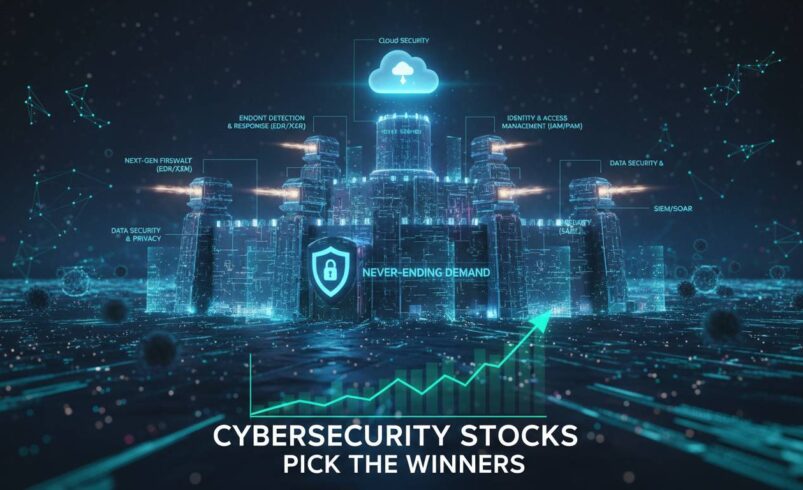
This is a sector you can’t time based on economic cycles. The spending is structurally embedded in how modern business operates. Even in a recession, companies will maintain — and likely increase — security budgets. They just become more selective about vendors.
Understanding the Market Segmentation
One of the most common mistakes I see from new cybersecurity investors is treating the entire sector as a single bet. It isn’t. The market segments have fundamentally different growth profiles, competitive dynamics, and valuation frameworks.
Network security represents the traditional firewall and intrusion detection market. Companies like Palo Alto Networks and Fortinet dominate this space. The growth driver here is the shift from hardware appliances to software-defined and cloud-delivered security services. This segment is mature but still essential — you can’t protect what you can’t see. The key metric is the transition from perpetual license revenue to subscription revenue, which commands higher multiples.
Endpoint security covers the software running on individual devices — laptops, phones, servers. CrowdStrike dominates this market with its cloud-native architecture that processes security data centrally rather than relying on local threat databases. The competitor landscape includes SentinelOne and Microsoft Defender, which has become a formidable force by bundling security into its existing enterprise relationships.
Identity and access management ensures that only authorized users can access systems and data. Okta and Microsoft Entra (formerly Azure AD) lead this space. With hybrid workforces becoming permanent, identity verification has moved from the network perimeter to every application and device. This segment benefits from the zero-trust model more than almost any other.
Cloud security protects data and workloads across AWS, Azure, and Google Cloud. This is the fastest-growing segment because organizations are migrating mission-critical workloads to public clouds but often lack internal expertise to secure them. Companies like Zscaler and Check Point Software Technologies have positioned themselves as essential cloud security layers.
Security operations — the “SIEM” and “SOAR” space — involves aggregating security data from across an organization to detect and respond to threats. Splunk (now part of Cisco) and Microsoft Sentinel compete here. The growth driver is the proliferation of security tools that create data overload for internal teams. Automation and AI-driven analysis are becoming differentiators.
Understanding these segments matters because different companies win in different environments. CrowdStrike excels when enterprises modernize their endpoint security. Palo Alto Networks succeeds when organizations consolidate vendors. Zscaler benefits when remote access becomes the norm. Your investment thesis should be specific to the segment dynamics, not just “cybersecurity is growing.”
How to Evaluate and Pick the Best Cybersecurity Stocks
Most investment guides tell you to look at revenue growth, P/E ratios, and market share. Those metrics matter, but they’re incomplete. Here’s what actually drives long-term outperformance in this sector.
The first filter I apply is recurring revenue quality. Look at the ratio of subscription revenue to total revenue. Companies with 80%+ subscription revenue trade at premium valuations because the revenue is predictable and expandable. CrowdStrike derives over 90% of revenue from subscriptions. Palo Alto Networks has been aggressively transitioning its business model and now exceeds 70% subscription revenue. A company with 40% subscription revenue is still a software company but carries more execution risk.
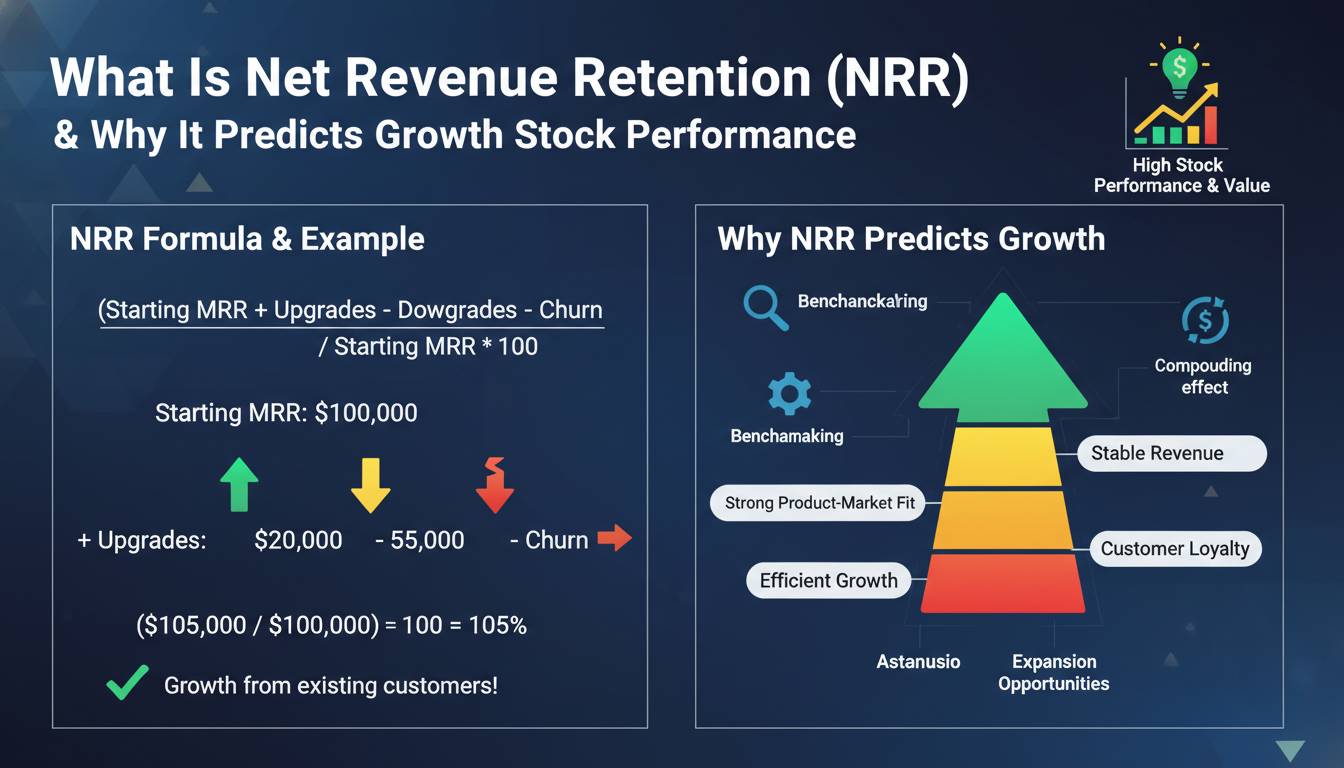
Dollar-based net retention rate tells you whether existing customers are expanding their spend. This metric measures year-over-year revenue growth from the same customer cohort. A rate above 110% indicates healthy expansion; above 120% suggests the product creates genuine value that customers want more of. CrowdStrike consistently reports net retention rates above 120%, which explains its premium valuation despite already being a large company.
Free cash flow margin separates companies that are actually profitable from those that are perpetually unprofitable with promises of future profitability. Many cybersecurity companies went public with negative cash flow and never turned the corner. Cisco’s acquisition of Splunk — the largest cybersecurity acquisition in history — happened partly because Splunk finally achieved sustainable profitability. Look for companies generating positive free cash flow or demonstrating a clear path to getting there.
Competitive positioning requires honest assessment of moat. Does the company have proprietary data that improves its AI models? Does it have integrations with systems that make switching costs prohibitively high? Does it have a brand that enterprise buyers trust with their most sensitive security decisions? CrowdStrike benefits from the network effect of processing trillions of security events that improve its threat detection. Zscaler processes billions of transactions daily that create similar data advantages.
Management credibility gets overlooked but matters enormously. Track record of hitting guidance, transparent communication about challenges, and restrained executive compensation aligned with long-term shareholder interests all factor into my assessment. George Kurtz at CrowdStrike and Nikesh Arora at Palo Alto Networks have both demonstrated an ability to execute complex growth strategies while maintaining investor trust.
The valuation question is trickier. CrowdStrike trades at a P/E ratio above 60, which seems expensive until you factor in its growth rate. Palo Alto Networks trades around 45x forward earnings, cheaper relative to growth but facing more competitive intensity. There’s no universal “too expensive” number — it depends on the growth trajectory and market opportunity. What I avoid is buying companies at any valuation when the fundamental story is deteriorating.
Top Cybersecurity Stocks Worth Watching
Rather than offering a generic list, here are the companies I actually respect and why — along with the caveats that make each investment nuanced.
CrowdStrike Holdings (CRWD) remains the dominant endpoint security platform. Its cloud-native architecture processes security data at scale that competitors struggle to match. The Falcon platform now spans 28 security module categories, creating a land-and-expand model where customers start with one product and add more over time. The challenge: at a $70 billion market cap, the easy growth is behind it. Future returns will likely be lower than the 200%+ gains since its 2019 IPO. I’m not bullish on the stock from current levels but would buy on significant pullbacks.
Palo Alto Networks (PANW) has executed the most aggressive consolidation strategy in the industry. Its platform approach — combining network security, cloud security, and security operations — appeals to enterprises seeking to reduce vendor sprawl. The company’s pivot to subscription pricing creates recurring revenue that investors reward. The risk: integration challenges from acquisitions and competition from every direction. It’s a solid hold but not clearly undervalued.
Fortinet (FTNT) takes a different approach with purpose-built security processors that deliver performance competitors can’t match with software alone. Its firewall business remains strong, and its expansion into secure SD-WAN and security operations addresses adjacent markets. The valuation is more reasonable than peers — around 35x forward earnings — making it a consideration for value-oriented investors. The downside: growth has slowed as the company laps prior initiatives, and the product portfolio feels less differentiated than CrowdStrike’s.
Zscaler (ZS) operates in the cloud security space, providing internet and web security as a service. Its zero-trust architecture perfectly matches the remote work environment that persists post-pandemic. The company consistently delivers 40%+ revenue growth and has achieved profitability — rare in high-growth cybersecurity. The valuation remains stretched, but the execution has been impeccable. This is one of my favorite names in the sector despite its premium price.
Microsoft (MSFT) deserves mention as the 800-pound gorilla that no cybersecurity investor can ignore. Its Defender platform has grown from an also-ran to a legitimate leader in endpoint security. The advantage Microsoft holds is integration — if you’re already paying for Microsoft 365, adding Defender is a marginal cost that requires no new vendor relationship. The company doesn’t disclose cybersecurity revenue separately, but it’s almost certainly the largest security vendor by total revenue. Owning Microsoft provides cybersecurity exposure without the binary risk of pure-play security stocks.
SentinelOne (S) represents the alt-CrowdStrike play. Its autonomous endpoint protection doesn’t require constant internet connectivity and handles threat detection and response differently architecturally. The company has grown revenue faster than CrowdStrike but burns significantly more cash. At its current market cap, you’re betting on the execution story more than the fundamentals. It’s a higher-risk, higher-potential-reward position than CrowdStrike.
Risks and Considerations That Most Articles Ignore
The conventional bullish narrative needs some pushback, because responsible investing requires acknowledging what can go wrong.
The consolidation threat is real. Big tech companies — Microsoft, Cisco, Google, IBM — are acquiring cybersecurity capabilities and bundling them into existing enterprise relationships. Microsoft’s security revenue reportedly exceeds $20 billion annually, and it continues to integrate security deeper into its product stack. When a company can give away security as a loss leader to lock in cloud and productivity revenue, standalone security vendors face margin pressure. This is not a temporary headwind; it’s a structural challenge.
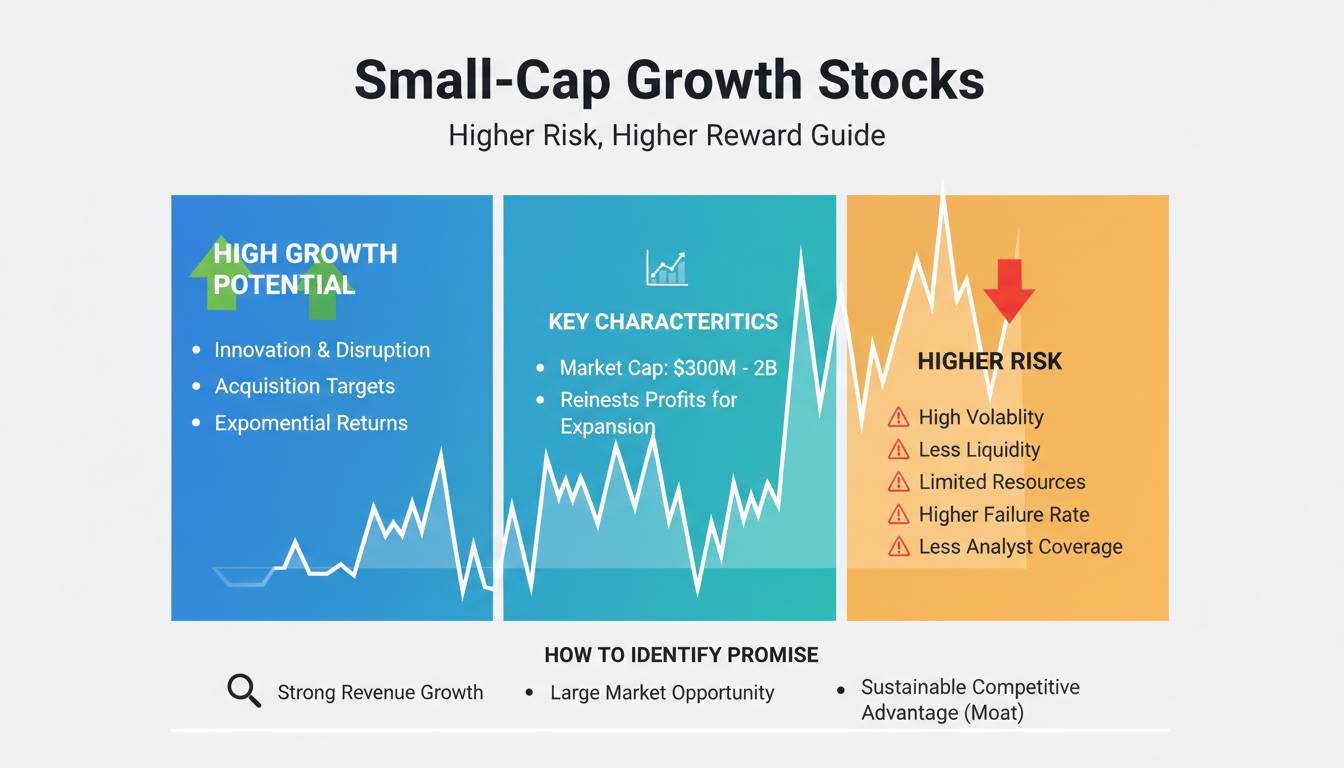
The startup ecosystem creates constant competitive pressure. New companies funded by venture capital enter the market with specialized solutions and aggressive pricing. While many will fail, a handful will become meaningful competitors. The cybersecurity market’s low switching costs mean that even established players must continuously innovate or lose ground. This isn’t a “set and forget” sector.
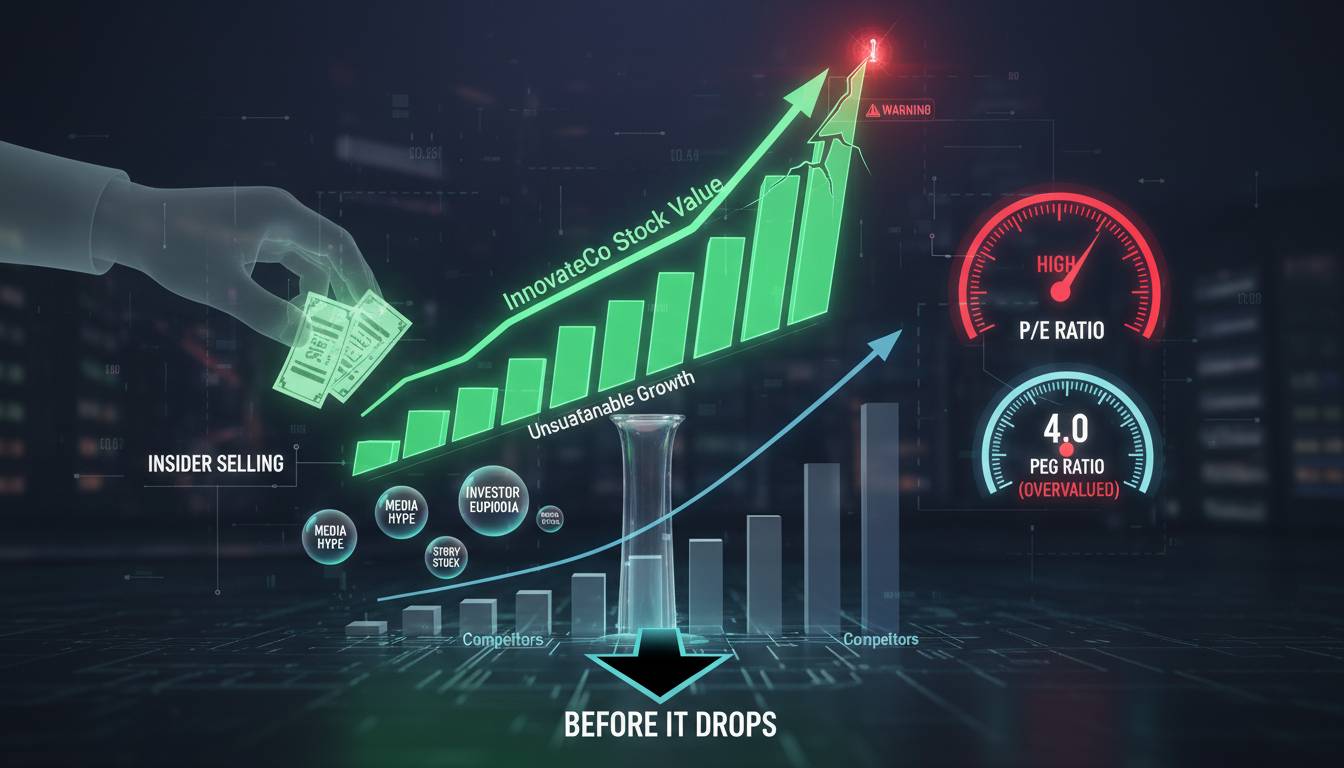
Valuation discipline matters more than enthusiasm. I’ve watched investors lose money in cybersecurity by buying great companies at terrible prices. The sector saw significant multiple compression in 2022 as interest rates rose and growth stocks fell out of favor. The lesson: fundamentals matter, but entry price determines your ultimate return. Don’t chase positions at all-time highs expecting the same returns early investors achieved.
Regulatory changes could disrupt business models. Privacy regulations create compliance demand, but they also constrain what security companies can do with data. China-related export restrictions have already impacted some cybersecurity vendors’ ability to operate globally. A significant regulatory shift — for example, requirements that data processing happen within specific jurisdictions — could disadvantage cloud-native platforms that rely on centralized data analysis.
Common Mistakes Investors Make
Watching clients and market participants over the years, I’ve seen patterns that consistently lead to poor outcomes.
Chasing momentum rather than fundamentals destroys more portfolios than anything else. Cybersecurity stocks experienced a significant rally in 2023 and early 2024, driven by enthusiasm about AI-driven security. Many investors bought at the top of that rally and experienced sharp drawdowns when growth expectations reset. The sector is volatile by nature — building positions on pullbacks, not rips, serves you better.
Over-diversification across the sector wastes capital. I’ve seen investors buy six or seven cybersecurity stocks thinking they’re getting diversified exposure. In reality, most of these companies compete for the same enterprise budgets and often move in tandem. Better to concentrate on your highest-conviction names than to spread thin across a basket of “cybersecurity plays.”
Ignoring the revenue mix transition leads to value traps. Companies still deriving significant revenue from hardware appliances and perpetual licenses face headwinds that subscription-heavy competitors don’t. The market assigns lower multiples to non-recurring revenue, and companies slow to transition get punished even when top-line growth looks acceptable.
Failing to understand the competitive moat results in investing in companies that will be disrupted. Many cybersecurity products have shallow differentiation — they solve today’s problems but don’t build defensible advantages. Companies with proprietary data sets, strong integration ecosystems, and brand trust among enterprise buyers create barriers that pure technology advantages cannot match.
Conclusion: The Long-Term Thesis and Your Next Steps
The cybersecurity sector will grow for the foreseeable future. Threats are becoming more sophisticated, regulatory requirements are expanding, and digital transformation creates attack surfaces that didn’t exist a decade ago. The demand dynamics are structurally sound.
What varies enormously is which companies will capture that growth and translate it into shareholder returns. The framework I’ve outlined — recurring revenue quality, retention rates, competitive positioning, and management credibility — gives you a structure for evaluation that goes beyond generic growth investing.
My honest assessment: the easy money in cybersecurity stocks was made during the post-COVID security spending surge. The sector now requires more sophisticated analysis. Some names remain compelling at current valuations; others are priced for perfection that may not materialize. The winners over the next five years will be companies that successfully expand their platform footprints while defending against big tech competition and startup disruption.
If you’re investing in this sector, treat it as a conviction-weighted allocation rather than a core holding. The volatility is higher, the competitive dynamics shift faster, and the difference between winners and losers is more pronounced than in mature sectors. Do your own research, understand the specific segments you’re investing in, and maintain discipline about valuation. The demand may never disappear, but the easy returns already have.