
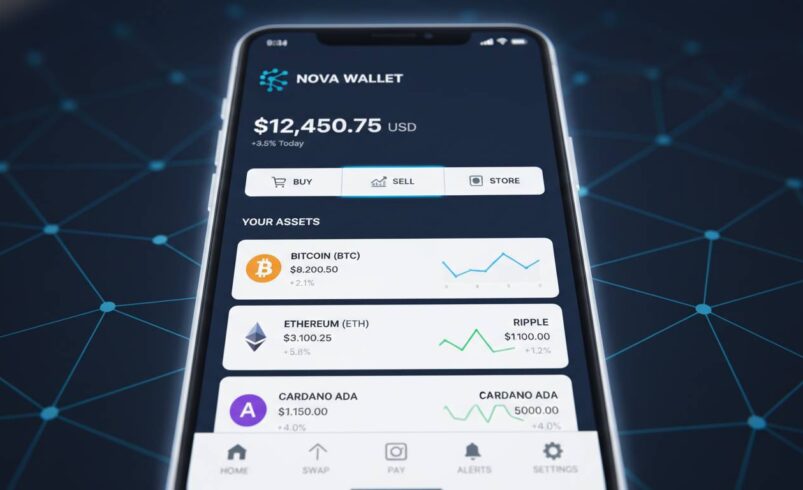

Cryptocurrency wallet apps have become essential tools for millions of Indian investors looking to participate in the digital asset revolution. With over 300 million crypto users globally and India’s position as one of the fastest-growing markets, understanding how to securely buy, sell, and store cryptocurrencies through dedicated wallet applications has become crucial for both beginners and experienced traders alike.
India’s cryptocurrency ecosystem has evolved significantly since the Supreme Court overturned the Reserve Bank of India’s banking ban in 2020. Today, Indian investors have access to numerous regulated exchanges and wallet applications that comply with local laws while offering robust security features. The Indian government’s introduction of a 30% tax on cryptocurrency gains and TDS requirements has further formalized the market, making professional wallet solutions increasingly important for tax compliance and portfolio management.
This comprehensive guide explores everything you need to know about cryptocurrency wallet apps in the Indian context—from understanding the fundamental technology to selecting the right application for your investment goals.
What is a Cryptocurrency Wallet App?
A cryptocurrency wallet app is a digital application that allows users to store, send, and receive cryptocurrencies such as Bitcoin, Ethereum, and thousands of other digital assets. Unlike a traditional wallet that holds physical currency, a crypto wallet doesn’t actually store your coins directly. Instead, it stores your private keys—the cryptographic codes that prove ownership of your cryptocurrency holdings on the blockchain.
Key Components of a Crypto Wallet:
The fundamental architecture of any cryptocurrency wallet consists of two essential elements: a public key and a private key. Your public key functions like a bank account number, allowing others to send cryptocurrency to you. Your private key acts as your password or signature, authorizing transactions and proving your ownership of the funds. Losing your private key means losing access to your cryptocurrency permanently, making secure storage paramount.
Wallet apps interface with blockchain networks to check balances, broadcast transactions, and synchronize with the decentralized ledger. Most modern wallet applications in India integrate directly with popular exchanges, enabling seamless buying and selling without transferring funds to separate trading platforms.
Hot Wallets vs. Cold Wallets:
Understanding the distinction between hot wallets and cold wallets forms the foundation of crypto security. Hot wallets are connected to the internet and provide convenient access for frequent trading. These include mobile apps, desktop applications, and web-based wallets. Cold wallets, conversely, remain offline and store private keys on hardware devices or paper, offering superior security for long-term holdings.
Types of Cryptocurrency Wallets Available in India
Indian investors can choose from several wallet types, each offering different balances of security, convenience, and functionality. Selecting the appropriate wallet type depends on your trading frequency, investment amount, and risk tolerance.
Custodial Wallets
Custodial wallets, offered by Indian cryptocurrency exchanges like CoinDCX, WazirX, and CoinSwitch Kuber, hold your private keys on your behalf. This approach provides the greatest convenience, as the exchange manages all technical aspects of key storage and blockchain interactions. Users can instantly buy and sell crypto using Indian Rupees through integrated payment gateways including UPI, IMPS, and bank transfers.
The primary advantage of custodial wallets lies in their user-friendly interfaces designed specifically for the Indian market. These platforms support local language options, Indian payment methods, and comply with Know Your Customer (KYC) regulations required by Indian law. However, users must trust the exchange to secure their private keys, which introduces counterparty risk.
Non-Custodial Wallets
Non-custodial wallets give users complete control over their private keys, meaning you alone possess the cryptographic keys to your funds. Popular non-custodial options accessible to Indian users include MetaMask, Trust Wallet, and Ledger hardware wallets. These wallets connect directly to blockchain networks without intermediation.
For Indian investors holding significant amounts or planning long-term investments, non-custodial solutions offer superior security by eliminating exchange hack risks. However, users bear full responsibility for key management—if you lose your recovery phrase, no customer support team can recover your funds.
Hardware Wallets
Hardware wallets represent the gold standard for cryptocurrency security. Devices like Ledger and Trezor store private keys in secure hardware modules, remaining offline except when explicitly connected to sign transactions. These devices cost between ₹3,000 and ₹15,000 but provide peace of mind for substantial portfolios.
Several Indian cryptocurrency traders use hardware wallets to store their primary holdings while keeping smaller amounts in mobile wallets for convenient trading. This hybrid approach balances security with accessibility.
Essential Features of a Reliable Crypto Wallet App
When evaluating cryptocurrency wallet apps for the Indian market, certain features deserve priority attention. The right combination of functionality, security, and compliance can significantly impact your trading experience and asset protection.
Security Features
Two-Factor Authentication (2FA): Essential for any wallet app, 2FA adds an extra verification layer beyond password protection. Google Authenticator or hardware token-based 2FA provides substantially stronger protection than SMS-based codes, which can be vulnerable to SIM swapping attacks.
Biometric Authentication: Modern wallet apps integrate fingerprint and facial recognition technology available on most smartphones. Biometric authentication offers both convenience and security, requiring physical presence to access funds.
Multi-Signature Support: Advanced users benefit from multi-signature wallets requiring multiple private keys to authorize transactions. This feature proves valuable for joint accounts or adding additional security layers for large holdings.
Withdrawal Whitelisting: Some Indian exchanges allow users to whitelist specific wallet addresses for withdrawals, preventing unauthorized transfers even if account credentials are compromised.
Trading and Investment Features
Instant Buy/Sell: Integrated exchange functionality enables immediate cryptocurrency purchases using Indian Rupees. Leading apps support multiple payment methods including UPI, which has become increasingly popular following WhatsApp Pay and Google Pay’s ubiquity in India.
Price Alerts: Mobile wallet apps should offer customizable price notifications helping traders capitalize on market movements without constantly monitoring exchanges.
Portfolio Tracking: Comprehensive portfolio analytics display holdings across multiple cryptocurrencies, track performance in INR, and generate statements useful for tax compliance.
Staking Capabilities: Several wallet apps now support staking, allowing users to earn passive income by holding proof-of-stake cryptocurrencies that contribute to network operations.
How to Choose the Right Cryptocurrency Wallet in India
Selecting the appropriate cryptocurrency wallet requires balancing multiple factors specific to the Indian market. Consider these essential criteria before making your decision.
Regulatory Compliance
Verify that your chosen wallet provider complies with Indian regulatory requirements. The Ministry of Corporate Affairs mandates that cryptocurrency exchanges register under the Prevention of Money Laundering Act (PMLA), and users must complete KYC verification. Using compliant platforms ensures legal protection and smoother tax reporting.
Reputable Indian exchanges maintain partnerships with Indian banks and payment processors, enabling legitimate rupee deposits and withdrawals. Unregulated or offshore platforms may offer better rates but carry significant legal and financial risks.
Supported Cryptocurrencies
Different wallets support varying numbers of cryptocurrencies. If you plan to invest in specific tokens beyond major cryptocurrencies like Bitcoin and Ethereum, confirm your chosen platform supports them. Some Indian exchanges have limited token offerings compared to international platforms.
Fee Structure
Examine the complete fee schedule before committing to any wallet app. Indian exchanges typically charge 0.1% to 0.5% per transaction, with additional fees for instant UPI withdrawals. Hardware wallets involve one-time purchase costs but eliminate ongoing platform fees.
Customer Support
Responsive customer support proves crucial in cryptocurrency investing, where transaction issues can result in significant financial losses. Evaluate available support channels—phone, email, chat—and user reviews regarding resolution times. Indian-based exchanges generally offer better support during local business hours.
Security Best Practices for Indian Crypto Investors
Protecting your cryptocurrency holdings requires implementing security measures beyond choosing a reputable wallet app. Adopting comprehensive security practices minimizes exposure to common threats.
Private Key Management
Never share your private keys or recovery phrases with anyone. Legitimate wallet providers and customer support teams will never ask for this information. Store your recovery phrase offline in a secure location—consider creating multiple copies stored in different secure locations.
Device Security
Maintain updated smartphone and computer operating systems, as security patches address newly discovered vulnerabilities. Avoid using public Wi-Fi networks when accessing crypto wallets or conducting transactions. Consider dedicated devices for large holdings, minimizing exposure to malware.
Phishing Awareness
Phishing attacks targeting cryptocurrency users have grown increasingly sophisticated. Verify website URLs carefully—scammers create convincing replicas of legitimate exchange interfaces. Bookmark your exchange’s official website to avoid accidental navigation to phishing domains.
Regular Audits
Periodically review your transaction history and account settings. Verify withdrawal addresses before confirming large transactions. Enable notifications for all account activities to quickly identify unauthorized access.
Regulatory Landscape for Cryptocurrency in India
Understanding India’s regulatory environment helps investors make informed decisions and remain compliant with current laws.
The Indian government has taken a cautious but increasingly structured approach to cryptocurrency regulation. The 2022-2023 Union Budget introduced a 30% tax on cryptocurrency gains, marking the first explicit taxation framework for digital assets. Additionally, a 1% Tax Deducted at Source (TDS) applies to crypto transactions exceeding certain thresholds.
The Reserve Bank of India continues studying central bank digital currency (CBDC) developments while maintaining concerns about cryptocurrency risks to financial stability. However, unlike the 2018 banking ban, current regulations permit cryptocurrency trading with tax compliance requirements.
The Prevention of Money Laundering Act (PMLA) now extends to cryptocurrency exchanges, requiring them to implement customer verification procedures and report suspicious transactions. This regulatory framework provides investor protection while enabling market growth.
Conclusion
Cryptocurrency wallet apps have transformed how Indian investors interact with digital assets, offering accessible platforms to buy, sell, and store cryptocurrencies securely. The Indian market presents unique opportunities and considerations—from UPI-integrated payments to specific tax compliance requirements—that distinguish it from other global markets.
Choosing the right wallet involves carefully evaluating security features, regulatory compliance, supported cryptocurrencies, and fee structures against your individual investment needs. Whether you prefer the convenience of custodial wallets offered by established Indian exchanges or the enhanced security of hardware wallets for substantial holdings, implementing robust security practices remains essential.
As India’s cryptocurrency ecosystem continues maturing under clearer regulatory frameworks, wallet applications will likely integrate additional features including improved tax reporting tools, expanded staking options, and central bank digital currency compatibility. Staying informed about both technological developments and regulatory changes positions Indian investors to participate safely and effectively in the evolving digital asset landscape.
Frequently Asked Questions
Which is the best cryptocurrency wallet app in India?
The best wallet depends on your specific needs. For beginners, CoinSwitch Kuber and CoinDCX offer user-friendly interfaces with full Indian regulatory compliance. For advanced users seeking maximum security, MetaMask combined with a Ledger hardware wallet provides superior control. ZebPay remains popular among users prioritizing established brand trust.
Is it safe to store cryptocurrency in mobile wallet apps?
Mobile wallet apps are generally safe when using reputable platforms with strong security features including 2FA, biometric authentication, and withdrawal whitelisting. However, mobile wallets are “hot wallets” connected to the internet, making them vulnerable to hacking. For holdings exceeding amounts you’re comfortable losing, hardware wallets provide better security.
Can I transfer cryptocurrency from international wallets to Indian exchanges?
Yes, you can transfer cryptocurrency between international wallets and Indian exchanges by withdrawing to your exchange’s deposit address. Ensure the specific cryptocurrency is supported on both platforms and double-check addresses before confirming—cryptocurrency transactions are irreversible. Network fees apply for blockchain transfers.
How do I pay for cryptocurrency using UPI in India?
Most Indian cryptocurrency exchanges including CoinDCX, WazirX, and CoinSwitch Kuber support UPI payments for instant rupee deposits. Simply link your UPI ID to the exchange app, select UPI as payment method during purchase, and confirm the transaction through your preferred UPI app. Note that some platforms have limited UPI transaction amounts.
What happens to my crypto if the exchange shuts down?
With custodial wallets on exchanges, your funds could be at risk if the platform becomes insolvent or shuts down. Using non-custodial wallets where you hold your private keys provides protection against exchange failures. Diversifying holdings across multiple platforms and maintaining personal wallet control minimizes this counterparty risk.