

The SEC’s approval of Bitcoin spot ETFs in the U.S. in January 2024 was a big deal for crypto. For Indian investors, this means you can now get Bitcoin exposure through your regular brokerage account—no need to figure out crypto exchanges, set up wallets, or worry about losing your private keys.
This guide covers what these products are, how they work, and what to consider before investing.
What Is a Bitcoin Spot ETF?
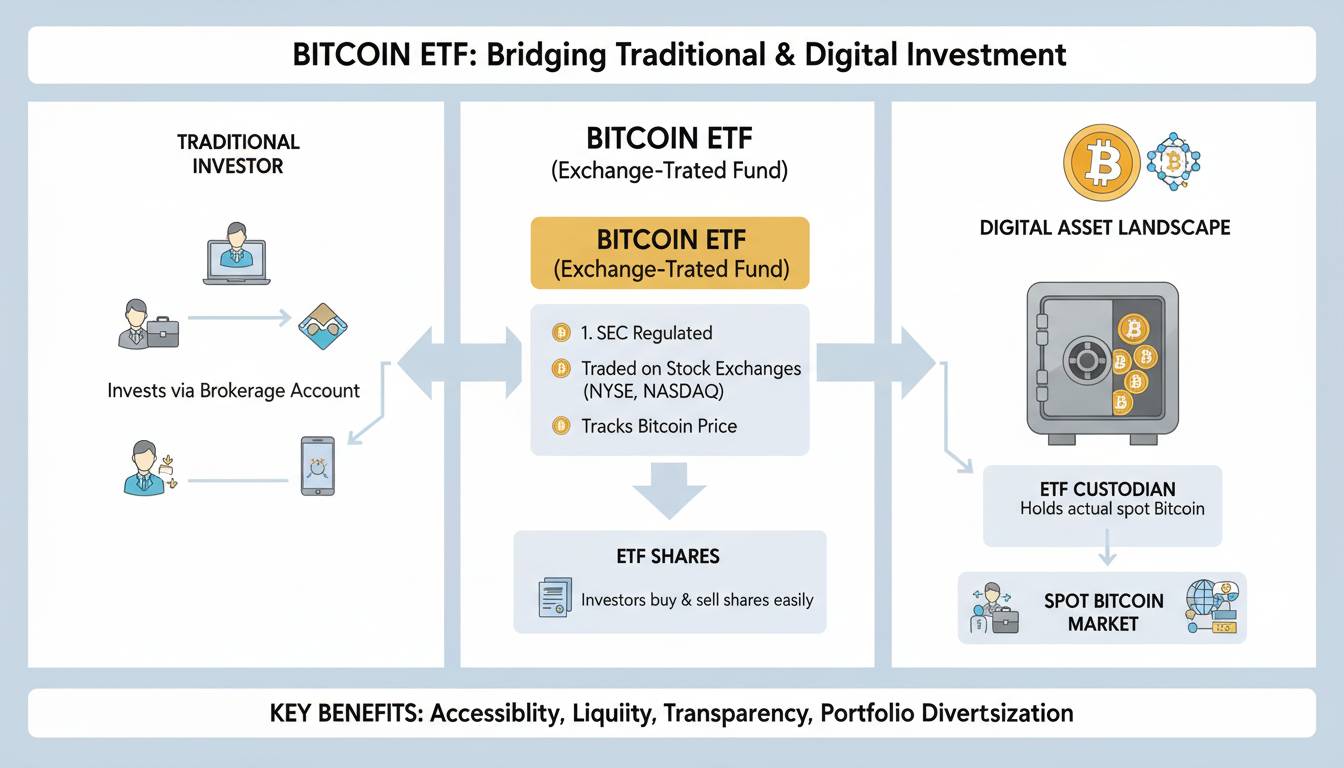
A Bitcoin spot ETF is a fund that holds actual Bitcoin. Each share represents a slice of the real cryptocurrency sitting in the fund’s custody. The word “spot” just means immediate delivery—you’re not buying derivatives or futures contracts.
This structure lets you track Bitcoin’s price without actually owning any. The fund handles all the custody, security, and management. You just buy and sell shares through your regular brokerage, the same way you’d buy a stock or a regular ETF.
Before these ETFs existed, getting Bitcoin exposure meant either holding it yourself (with all the wallet and security headaches that involves) or using products with different risk profiles. The SEC approval changed that equation.
How Bitcoin Spot ETFs Work
Spot ETFs use a creation and redemption system to keep their price aligned with actual Bitcoin. Authorized participants—usually large financial institutions—can either create new shares by delivering Bitcoin to the custodian or redeem shares to get Bitcoin back. This arbitrage process keeps trading prices close to the fund’s net asset value.
The custodian holds the actual Bitcoin in secure cold storage. Major providers like BlackRock and Fidelity have partnered with established crypto custodians that use multi-signature wallets, physical security, and insurance to protect the assets.
Providers charge an expense ratio, typically between 0.25% and 1.50% per year. These fees cover management, custody, and operations. They might seem small, but they add up over time—especially for long-term holders.
Bitcoin Spot ETF vs Bitcoin Futures ETF
The difference matters. Futures ETFs hold contracts that obligate the buyer to purchase Bitcoin at a set price on a future date. This creates a different risk and return profile.
| Aspect | Bitcoin Spot ETF | Bitcoin Futures ETF |
|---|---|---|
| Underlying Asset | Actual Bitcoin | Bitcoin Futures Contracts |
| Price Tracking | Directly tracks Bitcoin | Can diverge from spot price |
| Roll Costs | None | Rolling contracts creates costs |
| Tax Treatment | Collectibles (India) / Capital gains | Capital gains |
| Custody | Physical Bitcoin held | No cryptocurrency custody |
Futures ETFs face “roll costs” when contracts expire and new ones are bought. This can eat into returns during certain market conditions. Spot ETFs hold the actual asset, so they track Bitcoin’s price more directly.
Approved Bitcoin Spot ETFs
The SEC approved the first batch in January 2024. Several major asset managers launched products, bringing institutional infrastructure to crypto investing.
Major Bitcoin Spot ETFs (U.S.)
| Issuer | ETF Name | Ticker | Expense Ratio |
|---|---|---|---|
| BlackRock | iShares Bitcoin Trust | IBIT | 0.25% |
| Fidelity | Fidelity Wise Origin Bitcoin Fund | FBTC | 0.25% |
| Ark Invest | ARK 21Shares Bitcoin ETF | ARKB | 0.80% |
| Invesco | Invesco Galaxy Bitcoin ETF | BTCO | 0.59% |
| Grayscale | Grayscale Bitcoin Trust (converted) | GBTC | 1.50% |
BlackRock’s involvement mattered. As the world’s largest asset manager with over $10 trillion in assets under management, their entry signaled that mainstream finance was taking Bitcoin seriously. Fidelity brought similar credibility.
Benefits of Bitcoin Spot ETFs
The main advantage is accessibility. Indian investors with demat accounts can access these through brokers offering international market access—no crypto exchange accounts needed.
Regulatory oversight is another plus. These ETFs trade on SEC-regulated exchanges with market manipulation surveillance and investor protections. That addresses a real concern many people have about unregulated crypto exchanges.
Tax reporting is simpler. The ETF provides clear transaction records, making tax calculations more straightforward than tracking numerous crypto trades.
Bitcoin has shown relatively low correlation with traditional assets over time. For portfolios heavily weighted toward Indian equities, this can provide genuine diversification.
Risks and Considerations
The biggest risk is Bitcoin’s volatility. The cryptocurrency has dropped more than 50% from its highs multiple times. This volatility applies to ETFs too.
Regulatory uncertainty persists. While the SEC approved these products, future regulatory changes could impact their availability or structure. Governments worldwide are still figuring out crypto rules.
Counterparty risk exists. The custodian holds your underlying Bitcoin. Major custodians have insurance and robust security, but breaches can happen.
Expense ratios reduce your returns. Even 0.25% compounds significantly over years.
How to Invest in Bitcoin Spot ETFs from India
Indian investors can access these through international brokerage accounts. Here’s how:
-
Open an international brokerage account: Interactive Brokers, Charles Schwab, or Indian platforms like Zerodha or Angel One that offer overseas trading.
-
Complete verification: Submit identity documents, address proof, and financial information as required.
-
Fund the account: Transfer INR and convert to USD through permitted channels under RBI rules.
-
Place your order: Search by ticker symbol (IBIT, FBTC, ARKB) and buy through the platform.
-
Monitor your investment: Track performance and consider tax implications.
Be aware of the tax implications. Gains from selling foreign securities may attract capital gains tax in India. You also need to report foreign assets in your tax returns.
India-Specific Considerations
The RBI has been cautious about cryptocurrency, though it hasn’t explicitly prohibited investment in crypto-related products. The rules keep evolving, so stay updated.
Under the Liberalised Remittance Scheme, Indian residents can send up to $250,000 abroad annually for permitted investments—including U.S.-listed ETFs.
Currency risk is real. Since Bitcoin is priced in USD, you face double exposure: Bitcoin volatility plus USD/INR exchange rate movements. Both can move against you.
Given Bitcoin’s speculative nature, it should typically be a small portion of a diversified portfolio—not a core holding.
Conclusion
Bitcoin spot ETFs give Indian investors a regulated, accessible way to get Bitcoin exposure through familiar platforms. The SEC approval in 2024 brought mainstream infrastructure to digital asset investing.
The benefits are real—accessibility, regulatory oversight, portfolio diversification. But so are the risks: volatility, regulatory uncertainty, and the complexities of international investing. Do your research and have realistic expectations.
Start small if you’re curious. Understand how it fits into your overall portfolio. And keep an eye on both crypto market developments and India’s regulatory stance.
Frequently Asked Questions
What is the minimum investment?
It depends on the share price and your broker. Most trade above $40-50 per share, so you can start with one share plus any commission.
Can Indian residents legally invest?
Yes, through international brokerage accounts, subject to LRS limits. Check with a financial advisor about the current rules.
What happens during a Bitcoin hard fork?
The ETF prospectus covers this. The sponsor decides whether to support any new cryptocurrencies from forks, and investors may not benefit the same way direct holders do.
Are spot ETFs safer than holding Bitcoin directly?
They offer professional custody and regulatory oversight, and you avoid wallet security concerns. But they don’t eliminate Bitcoin’s price volatility, and they add counterparty risk and fees.
What if the ETF provider goes bankrupt?
The underlying Bitcoin is typically segregated and protected from creditors. Major providers maintain insurance and operate under regulatory frameworks designed to protect investor assets.
How are they taxed in India?
Tax treatment is complex and evolving. Capital gains from foreign ETFs may be subject to Indian capital gains tax. Keep detailed records and consult a tax professional familiar with international investment taxation.