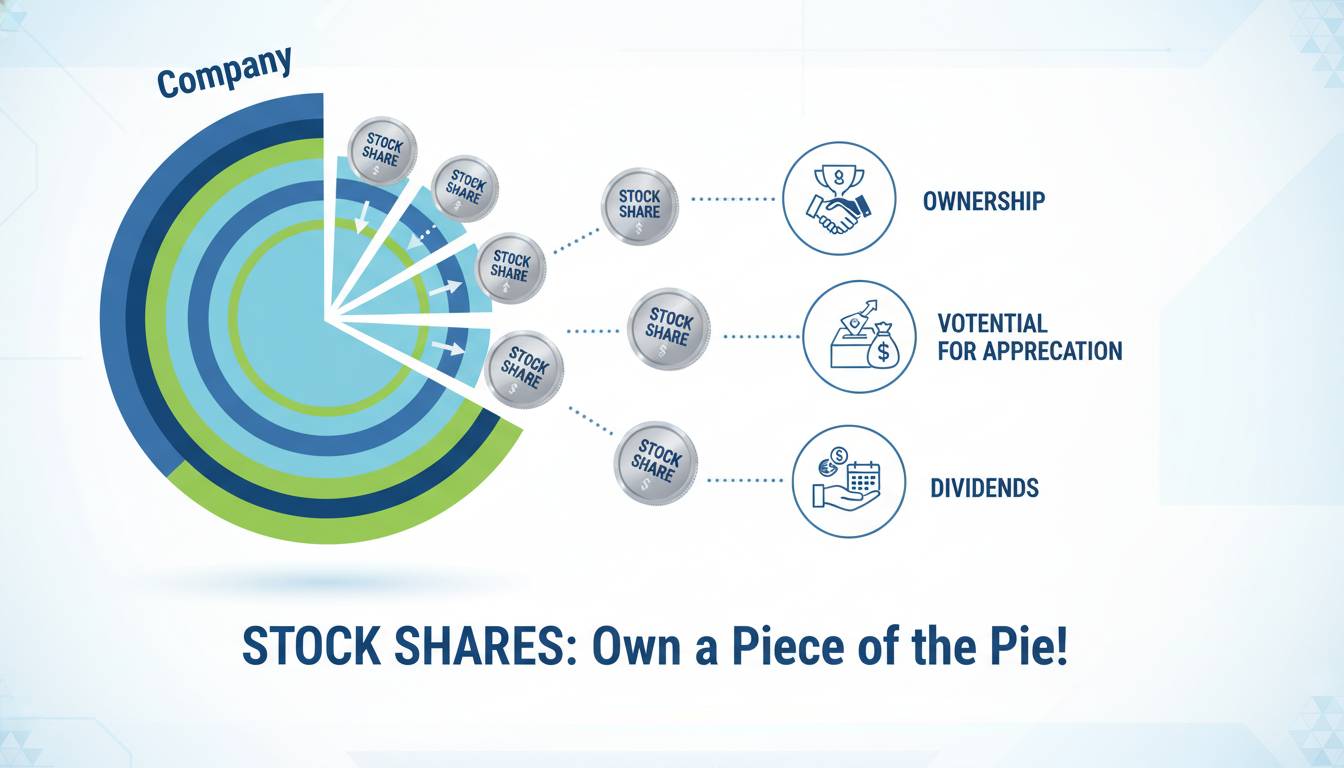


The Indian stock market presents unprecedented opportunities for first-time investors in 2024. With the Sensex hovering around record levels and retail investor participation reaching all-time highs, understanding which stocks offer the best foundation for building long-term wealth has become essential knowledge for beginners entering the market. This comprehensive guide examines the most promising investment opportunities, strategic approaches, and critical considerations for those taking their first steps into equity investing.
Understanding the Current Market Landscape
India’s equity markets have demonstrated remarkable resilience throughout 2024, with the BSE Sensex crossing the 80,000 milestone and the Nifty 50 maintaining strong momentum. The surge in retail investor participation, facilitated by simplified digital trading platforms and the advent of zero-commission brokerages, has transformed stock market investing from an exclusive domain into an accessible wealth-building tool for millions of Indians.
According to data from the National Securities Depository Limited, demat account openings increased significantly over the past year, with young investors comprising a substantial portion of new market participants. This democratization of stock market access has created a generation of beginners seeking reliable guidance on constructing their investment portfolios.
The economic fundamentals supporting this growth remain robust. India’s GDP continues to expand at among the fastest rates globally, foreign institutional investments flow steadily into Indian equities, and government infrastructure spending drives economic activity across sectors. These factors create a favorable environment for beginners to identify quality stocks with strong growth potential.
Key Factors Beginners Must Consider Before Investing
Before examining specific stock recommendations, beginners must understand the fundamental criteria that distinguish sound investments from speculative bets. Successful investing requires patience, research, and a clear understanding of personal financial goals.
Risk Tolerance Assessment: Every beginner must honestly evaluate their comfort level with market volatility. Younger investors with decades until retirement can typically tolerate higher risk, while those nearing financial goals should prioritize stability over aggressive growth. This assessment should guide portfolio allocation between conservative blue-chip stocks and higher-growth opportunities.
Investment Horizon: The duration for which money remains invested significantly impacts stock selection. Long-term investors can ride out market cycles and benefit from compound growth, while short-term traders require different strategies and tolerance for volatility. Beginners are generally advised to adopt a long-term perspective, as timing the market consistently proves challenging even for experienced professionals.
Fundamental Analysis Basics: Understanding key financial metrics helps beginners evaluate stock health. Price-to-earnings ratios indicate whether a stock trades at a premium or discount relative to its earnings. Revenue growth demonstrates business expansion, while debt levels reveal financial stability. Companies with strong fundamentals, consistent earnings, and manageable debt typically offer better risk-adjusted returns for beginners.
Diversification Principles: Spreading investments across sectors and market capitalizations reduces portfolio volatility. A concentrated portfolio in a single sector exposes beginners to sector-specific risks, while diversification across financials, technology, healthcare, and consumer goods provides balanced exposure to economic growth across different segments.
Best Stock Categories for Indian Beginners
Different categories of stocks offer distinct risk-return profiles suitable for various investor profiles. Understanding these categories helps beginners construct portfolios aligned with their financial objectives.
Blue-Chip Stocks: Stability and Reliability
Blue-chip companies represent industry leaders with established track records, strong balance sheets, and consistent dividend payouts. These stocks typically exhibit lower volatility than smaller companies and serve as portfolio anchors for beginners seeking stability. Companies like HDFC Bank, Tata Consultancy Services, and Infosys exemplify blue-chip qualities that have delivered reliable returns over decades.
Dividend-Paying Stocks: Passive Income Generation
For beginners seeking regular income alongside capital appreciation, dividend-paying stocks offer attractive options. Companies such as Hindustan Unilever, ITC, and Power Grid Corporation have maintained consistent dividend policies, providing investors with steady income streams while preserving capital. These stocks particularly suit beginners focused on building wealth through reinvested dividends.
Growth Stocks: Capital Appreciation Potential
Emerging sectors and companies with high growth potential offer significant capital appreciation opportunities. The Indian technology sector, renewable energy companies, and financial technology firms represent areas where growth stocks thrive. Beginners should allocate a smaller portion of portfolios to growth stocks while maintaining stability through blue-chip holdings.
Sector ETFs: Simplified Diversification
Exchange-traded funds provide instant diversification for beginners unwilling to select individual stocks. Sector-specific ETFs tracking the Nifty 50, banking indices, or technology sectors offer exposure to multiple companies within a single investment. This approach reduces company-specific risk while capturing sector-wide growth trends.
Top Stock Recommendations for 2024
While individual stock selection requires ongoing research and monitoring, certain companies demonstrate qualities making them suitable for beginner portfolios. The following analysis considers fundamental strength, growth prospects, and reasonable valuations.
HDFC Bank Limited: As India’s largest private sector bank by assets, HDFC Bank maintains robust fundamentals with strong credit growth, improved asset quality, and extensive branch network expansion. The bank’s consistent earnings growth and established market position make it a foundational holding for beginner portfolios.
Tata Consultancy Services: The country’s largest IT services exporter demonstrates resilience through consistent client acquisitions, strong deal pipelines, and leadership in digital transformation services. TCS offers exposure to the growing global technology services market with the stability of a decades-long track record.
Reliance Industries: India’s largest company by market capitalization provides diversification across telecommunications, retail, and energy sectors. The company’s aggressive expansion into renewable energy and technology ventures positions it for continued growth while its established businesses provide stability.
ICICI Bank: Another leading private sector bank with improved asset quality and strong retail franchise growth. ICICI Bank’s digital banking capabilities and expanding customer base support its position as a quality financial sector holding.
Hindustan Unilever: The consumer goods giant offers defensive characteristics with its portfolio of essential products and strong distribution network. HUL’s pricing power and consistent dividend history make it suitable for beginners seeking stability.
Asian Paints: The market leader in decorative paints demonstrates consistent growth driven by housing demand and urban infrastructure development. The company’s strong brand presence and pricing power support its growth trajectory.
Beginners should note that stock recommendations require periodic review based on changing market conditions, company performance, and individual financial circumstances. Maintaining a watchlist and updating research regularly helps investors make informed decisions.
How to Begin Investing: A Step-by-Step Guide
Starting an equity investment journey requires completing several essential steps before making the first purchase.
Open a Demat and Trading Account: Select a registered brokerage firm offering user-friendly platforms, reasonable brokerage charges, and robust customer support. Most established brokers now offer paperless account opening through video verification, completing the process within days.
Complete KYC Requirements: Provide identity proof, address verification, and financial documentation as required by regulatory guidelines. This compliance requirement ensures secure and regulated market participation.
Link Bank Account: Connect a savings account for seamless fund transfers between banking and trading accounts. The Securities and Exchange Board of India mandates this linkage for all equity transactions.
Begin with Systematic Investment Plans: Rather than lump-sum investments, beginners benefit from rupee-cost averaging through monthly systematic investment plans. This approach reduces timing risk and builds investing discipline.
Start with Index Funds or ETFs: Before selecting individual stocks, beginners gain market experience through index-tracking investments. This approach provides market-linked returns while learning about market dynamics.
Risk Management Strategies for New Investors
Protecting capital while building wealth requires implementing sound risk management practices from the beginning of an investing journey.
Position Sizing: Limiting any single stock holding to 5-10% of the portfolio prevents excessive exposure to individual company risks. This discipline ensures that poor performance by any single investment does not devastate overall portfolio returns.
Stop-Loss Implementation: Setting predefined exit points for investments helps limit losses during adverse market movements. While stop-losses cannot guarantee protection against gap-down movements, they provide disciplined exit strategies.
Regular Portfolio Review: Quarterly portfolio reviews help investors assess whether holdings align with original investment theses and financial goals. Rebalancing ensures portfolios maintain intended asset allocations as market movements change portfolio weights.
Emergency Fund Priority: Before investing in equities, beginners should establish emergency funds covering 3-6 months of expenses. This financial buffer prevents the need to liquidate investments during market downturns to meet unexpected expenses.
Avoid Emotional Decision-Making: Market movements trigger emotional responses that often lead to poor investment decisions. Maintaining a long-term perspective and avoiding knee-jerk reactions to short-term volatility serves investors well.
Conclusion
Entering the Indian stock market as a beginner offers significant wealth-building potential through informed investment decisions. The combination of strong economic fundamentals, increasing retail participation, and digital accessibility creates favorable conditions for first-time investors. By focusing on quality companies with strong fundamentals, maintaining diversification across sectors, and implementing disciplined risk management practices, beginners can build portfolios positioned for long-term growth.
Success in stock market investing comes from consistent learning, patience, and disciplined execution rather than attempting to maximize short-term gains. Starting with stable blue-chip stocks, gradually expanding knowledge, and understanding that market volatility creates both risks and opportunities positions beginners for financial success. The journey of thousand miles begins with a single step, and for Indian investors, that step into equity markets could prove transformative for long-term wealth creation.
Frequently Asked Questions
What is the minimum amount needed to start investing in stocks in India?
You can start investing in Indian stocks with as little as ₹500-₹1,000 through systematic investment plans or by purchasing shares of companies trading at lower price points. Many brokerage platforms now offer fraction shares and zero-minimum investment options, making equity investing accessible to everyone.
Are these recommended stocks suitable for long-term investment?
The stocks mentioned in this article have demonstrated strong fundamentals and track records suitable for long-term investment horizons of five years or more. However, all investments carry risks, and beginners should regularly review their holdings based on changing market conditions and company performance.
How do I choose between growth stocks and dividend stocks?
The choice depends on your financial goals and risk tolerance. Growth stocks suit investors seeking capital appreciation and comfortable with volatility, while dividend stocks benefit those wanting regular income and stability. A balanced approach combining both categories often works well for beginners.
Should I invest directly in stocks or through mutual funds?
Both approaches offer advantages. Direct stock investment provides control and potentially higher returns but requires more research and time. Mutual funds offer professional management and instant diversification. Beginners often benefit from starting with mutual funds while learning about individual stocks.
How often should I review my stock portfolio?
Quarterly reviews are sufficient for most long-term investors. Avoid checking portfolio performance daily, as short-term market movements can trigger unnecessary emotional decisions. Annual or semi-annual rebalancing ensures portfolios maintain intended asset allocations.
What are the tax implications of stock investing in India?
Short-term capital gains (holding period under one year) are taxed at 15%, while long-term capital gains exceeding ₹1 lakh per year are taxed at 10% without indexation benefit. Dividends are taxed according to your income tax slab. Understanding these implications helps in tax-efficient investment planning.