

The Indian cryptocurrency market has grown rapidly in 2024, with millions of investors interested in digital assets despite ongoing regulatory uncertainty. As the market matures, understanding which cryptocurrencies offer good investment potential matters for both new and experienced investors. This guide looks at the top cryptocurrency options for Indian investors, analyzes market trends, and provides practical insights to help you make informed decisions.
Understanding the Indian Cryptocurrency Market
India has become one of the largest cryptocurrency markets globally, with an estimated 150 million Indians owning crypto, according to industry reports. The country ranks highly for crypto adoption, driven by young populations, increasing smartphone use, and growing interest in alternative investments.
The Reserve Bank of India (RBI) and the Securities and Exchange Board of India (SEBI) have been watching the crypto sector closely. After the Supreme Court’s 2020 ruling that overturned RBI’s banking ban, the Indian government introduced a 30% tax on crypto profits in 2022, effectively legalizing cryptocurrency trading while implementing strict taxation.
WazirX, CoinDCX, ZebPay, and CoinSwitch are the most popular cryptocurrency exchanges for Indian investors. These platforms let users convert Indian Rupees (INR) into various digital assets. The presence of these exchanges has helped build market legitimacy and investor confidence.
Top Cryptocurrencies to Consider for Investment
Bitcoin (BTC) – The Market Leader
Bitcoin remains the largest cryptocurrency, representing about 50% of the total crypto market cap. As the first and most recognized digital currency, Bitcoin continues to attract both institutional and retail investors worldwide.
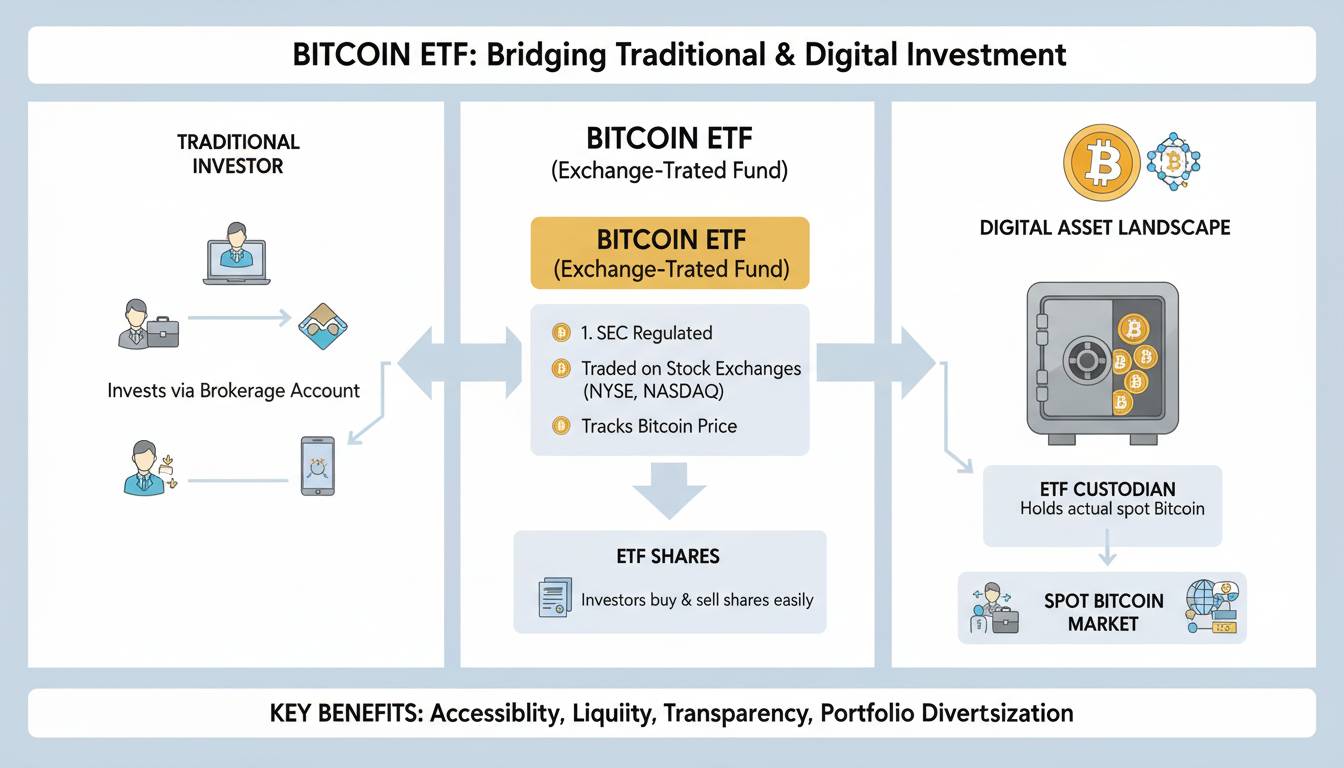
With a market cap over $1 trillion, Bitcoin is less volatile than altcoins, making it popular with risk-averse investors. Upcoming halving events and growing institutional adoption through products like Bitcoin ETFs have made Bitcoin more appealing. Companies including Tesla, MicroStrategy, and several hedge funds have added Bitcoin to their treasuries, treating it as a store of value.
For Indian investors, Bitcoin’s liquidity on domestic exchanges makes it easy to buy and sell. However, the 30% tax on crypto gains and the 1% TDS requirement have reduced trading volumes since implementation.
Ethereum (ETH) – The Smart Contract Pioneer
Ethereum is the second-largest cryptocurrency by market cap, powering most decentralized applications (dApps), NFTs, and DeFi protocols. The transition from Proof-of-Work (PoW) to Proof-of-Stake (PoS) with the Ethereum 2.0 upgrade reduced energy consumption by about 99.95%, addressing environmental concerns while improving network scalability.
The ecosystem continues developing, with layer-2 solutions like Polygon and Arbitrum improving transaction speeds and reducing costs. Several Indian startups have built platforms on Ethereum, contributing to local ecosystem growth.
Binance Coin (BNB) – The Exchange Utility Token
Binance Coin operates the world’s largest cryptocurrency exchange by trading volume. BNB has several uses: trading fee discounts, participation in token sales on Binance Launchpad, and payment for services within the Binance ecosystem.
The token has proved resilient and useful, with quarterly coin burns reducing total supply over time. Indian investors using Binance’s global platform or Binance Lite India can use BNB to access the broader crypto ecosystem while paying lower trading fees.
Solana (SOL) – The High-Speed Blockchain
Solana has attracted attention for its speed, processing up to 65,000 transactions per second compared to Ethereum’s roughly 15-30 transactions per second. This makes Solana useful for applications needing fast, low-cost transactions.
The blockchain hosts many DeFi protocols, NFT marketplaces, and gaming applications. Despite past network outages, Solana has maintained strong developer interest and user adoption. Indian developers have shown growing interest in building on Solana, especially for gaming and NFT projects.
Polygon (MATIC) – India’s Homegrown Success Story
Polygon matters to Indian investors as one of the most successful crypto projects founded by Indian developers. Originally launched as a scaling solution for Ethereum, Polygon has grown into a comprehensive Web3 infrastructure platform.
The token has grown significantly, with partnerships including Disney, Reddit, and Stripe. Indian entities operate Polygon PoS validator nodes, contributing to network security while promoting local participation in blockchain governance.
How to Evaluate Cryptocurrencies Before Investing
Before investing in any cryptocurrency, Indian investors should consider several factors that affect long-term viability and investment potential.
Market capitalization is a basic metric showing the total value of a cryptocurrency in circulation. Higher market cap generally means more stability and liquidity, though it may also mean less growth potential compared to smaller cap assets.
Technology fundamentals need thorough checking. Investors should examine the blockchain’s scalability, security features, development activity on platforms like GitHub, and the team behind the project. Active development communities and regular updates signal healthy progress.
Use case utility matters—invest in cryptocurrencies that solve real-world problems. Tokens with clear uses within their ecosystems tend to hold value better than those based purely on speculation. Understanding tokenomics, including supply mechanisms, inflation rates, and distribution models, helps assess potential value growth.
Regulatory compliance has become more important since India’s crypto tax laws. Projects that work with regulators may offer better long-term stability than those in regulatory grey areas.
Risk Factors and Investment Considerations
Cryptocurrency investments carry substantial risks that Indian investors must consider carefully before putting money in. The market is extremely volatile and can cause significant losses quickly. Bitcoin has dropped more than 50% from its all-time highs multiple times throughout its history.
The 30% tax on crypto profits and 1% TDS requirements in India have changed the investment picture significantly. These regulations reduce potential returns and create liquidity issues when withdrawing funds. Investors must keep detailed records of all transactions for tax purposes.
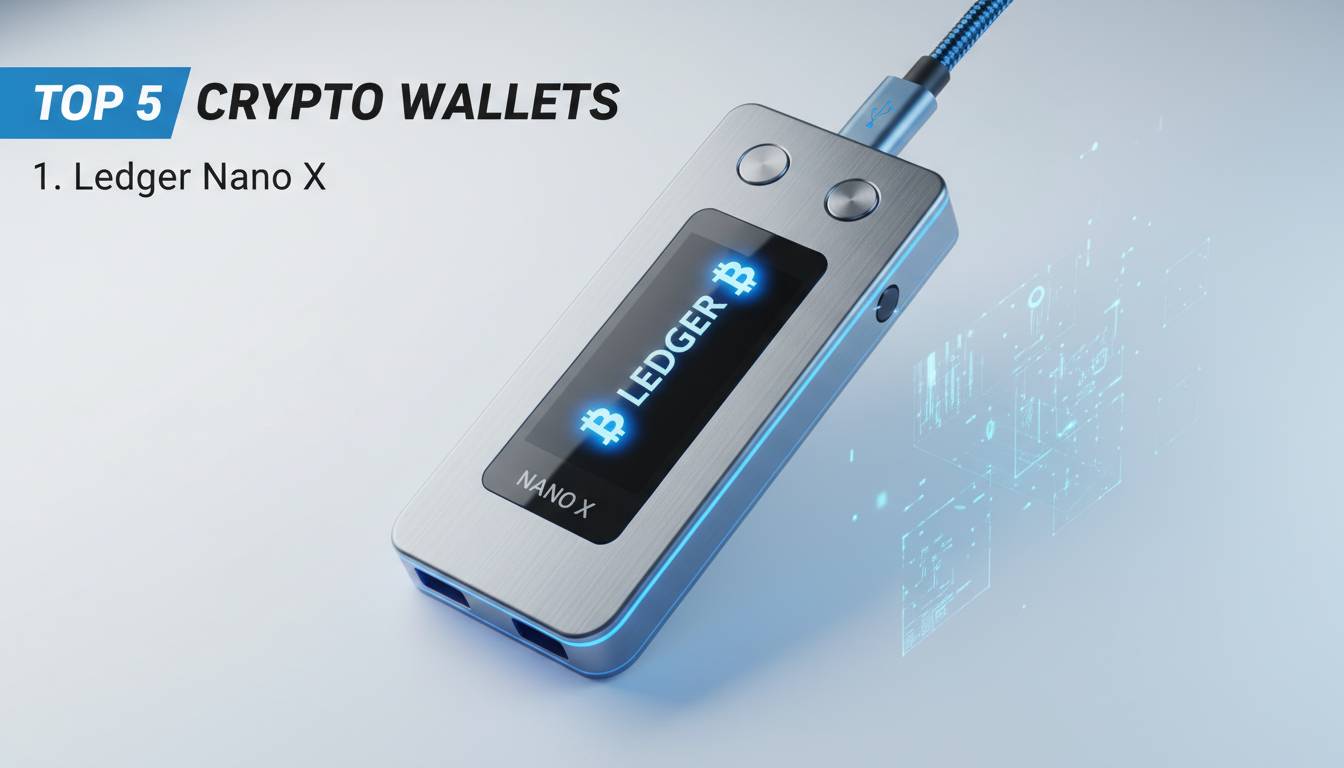
Security risks including exchange hacks, wallet compromises, and phishing attacks are constant threats. Indian investors should use hardware wallets for significant holdings and enable two-factor authentication on all exchange accounts. The collapse of exchanges like FTX showed why self-custody matters.
Market manipulation is common in the relatively unregulated crypto space. Pump-and-dump schemes, wash trading, and coordinated social media campaigns can artificially inflate prices before rapid sell-offs. Investors should be cautious about sudden price movements promoted through unofficial channels.
Investment Strategies for Indian Investors
Indian investors should approach cryptocurrency investment with clear strategies matching their risk tolerance and financial goals. Dollar-cost averaging (DCA) is popular—investors accumulate assets at various price points while reducing the impact of volatility.
Diversifying across multiple cryptocurrencies spreads risk while capturing potential growth across different sectors. A balanced portfolio might include established assets like Bitcoin and Ethereum along with promising altcoins with specific use cases.
Holding for the long term has historically performed better than short-term trading in the cryptocurrency market, especially for Bitcoin and Ethereum. Predicting short-term price movements is difficult, making passive holding attractive for most investors.
Setting clear exit strategies and profit-taking targets helps prevent emotional decisions during market highs or panic selling during downturns. Defining these parameters in advance ensures disciplined investment management.
Conclusion
The cryptocurrency market offers both opportunities and risks for Indian investors. Bitcoin and Ethereum remain the most established options for those wanting relative stability with proven track records. Polygon is interesting for investors who want to support Indian-founded projects with global reach.
Regardless of which cryptocurrencies you consider, thorough research and careful risk assessment remain essential. This market changes quickly and demands continuous learning. Indian investors should only invest money they can afford to lose completely, maintain proper tax compliance, and prioritize security in all crypto activities.
The cryptocurrency landscape will keep evolving with regulatory developments, technological advancements, and market changes. Staying informed and practicing disciplined investment will help Indian investors navigate this exciting but volatile asset class.
Frequently Asked Questions
Which cryptocurrency is best for beginners in India?
Bitcoin is usually the best starting point for Indian beginners because of its high liquidity, established reputation, and relatively lower volatility compared to smaller cryptocurrencies. Ethereum is also a solid option for those wanting exposure to the broader blockchain ecosystem. Beginners should start with small amounts and increase their investment as they gain experience.
Is cryptocurrency legal in India?
Yes, cryptocurrency trading is legal in India after the Supreme Court’s 2020 ruling that overturned RBI’s banking ban. However, the government has imposed a 30% tax on crypto profits and a 1% TDS on crypto transactions. While not explicitly banned, the regulatory framework continues to develop, and investors should stay updated on policy changes.
How much should I invest in cryptocurrency in India?
Financial experts recommend investing only what you can afford to lose entirely. Cryptocurrency should typically make up a small portion of your overall investment portfolio, usually no more than 5-10% for most investors. Beginners should start with minimal amounts while learning the market.
Which is the safest cryptocurrency to invest in?
Bitcoin and Ethereum are generally considered the safest options due to their largest market capitalizations, widespread adoption, and established track records. However, all cryptocurrency investments carry inherent risks, and no digital asset is completely risk-free.
Can I withdraw cryptocurrency profits to my Indian bank account?
Yes, most Indian cryptocurrency exchanges let you withdraw funds to your linked bank account in Indian Rupees. Remember that profits are subject to 30% tax, and exchanges deduct 1% TDS on transactions above certain thresholds. The withdrawal process usually takes 1-3 business days depending on the platform.
What is the best time to invest in cryptocurrency?
Timing the market perfectly is extremely difficult, even for experienced investors. Many experts recommend dollar-cost averaging—investing fixed amounts at regular intervals regardless of price. This strategy reduces the impact of volatility and removes the stress of trying to predict market bottoms or tops.