
India’s crypto scene has changed a lot in recent years. Millions of Indians now trade and hold digital assets, and picking the right wallet matters—not just for keeping your crypto safe, but for accessing everything from DeFi platforms to NFT marketplaces. Whether you’re an experienced trader or just starting out, the right wallet can make or break your crypto experience. This guide looks at the best crypto wallets available in 2025, with a focus on features that Indian users actually care about: multi-currency support, INR integration, and regulatory compliance.
What to Look for in a Crypto Wallet (2025)
Before getting into specific recommendations, it helps to know what matters. Security is the biggest concern for any crypto holder, and wallets in 2025 come with better encryption, biometric login, and hardware security modules that protect private keys from hacking attempts.
Beyond security, compatibility matters more as the crypto world expands. The best wallets in 2025 work with multiple blockchains, so you can manage Bitcoin, Ethereum, Polygon, Solana, and other assets from one place. This multi-chain support means you don’t need separate wallets for everything.
For Indian users specifically, a few other things are worth thinking about. The ability to buy crypto directly using Indian Rupees through UPI or bank transfers makes getting started much easier. Wallets that work within India’s regulatory framework, including KYC requirements, give you peace of mind on the legal side. Transaction fees add up quickly if you trade often, so fee structure is worth checking.
User experience has improved across the board. Modern wallets have interfaces that work for beginners and advanced users alike, with easier recovery processes, real-time price tracking, and built-in exchange features that reduce the need to move money between platforms.
Quick Comparison: Best Crypto Wallets 2025
| Wallet | Type | Security Features | Multi-Chain Support | Best For |
|---|---|---|---|---|
| Ledger Nano X | Hardware | Secure Element, PIN, Seed Phrase | 5,500+ assets | Maximum security |
| Trezor Model T | Hardware | Secure Element, PIN, Shamir Backup | 1,000+ assets | Privacy-focused users |
| MetaMask | Software/Browser | Password encryption, Hardware wallet support | 1000+ dApps | DeFi enthusiasts |
| Trust Wallet | Mobile | Biometric auth, Secure Enclave | 100+ blockchains | Mobile users |
| Coinbase Wallet | Software | 2FA, Cloud backup encryption | Multi-chain | Beginners |
| Exodus | Software | Encrypted local storage, Backup features | 300+ assets | Portfolio diversity |
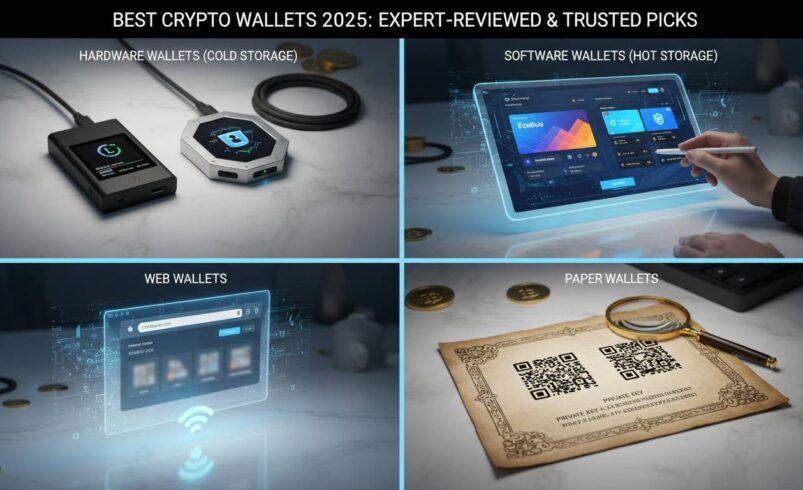
Hardware Wallets: Maximum Security for Digital Assets
Hardware wallets store your private keys offline in dedicated devices that can’t be hacked remotely. If you’re holding significant crypto in India, these wallets offer the best protection against the hacks, malware, and phishing attacks that keep happening in this space.
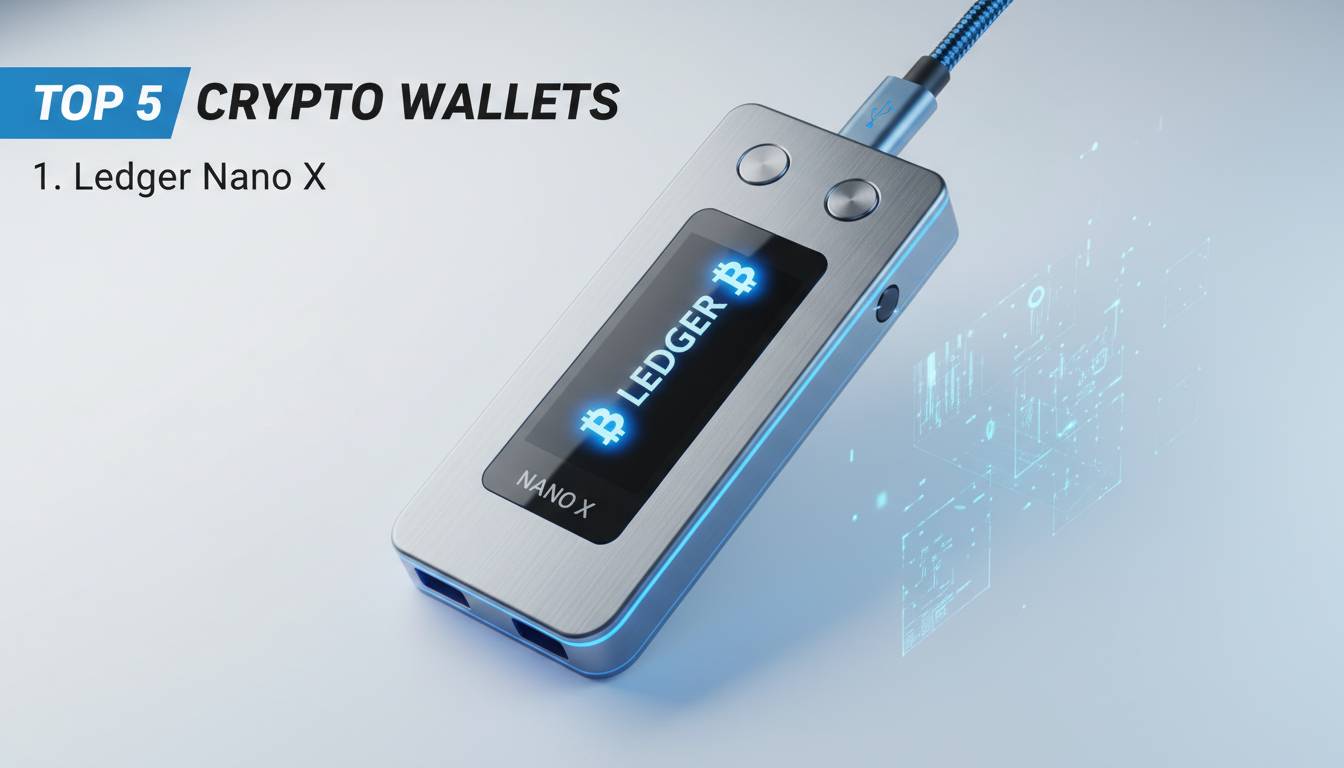
Ledger Nano X: The Industry Leader
The Ledger Nano X remains the most popular hardware wallet worldwide, and it earns that spot. It has a secure element (CC EAL5+ certified) that keeps private keys completely separate from the device’s operating system—military-grade protection for your digital assets. Bluetooth connectivity lets you manage everything through the Ledger Live mobile app, which is convenient when you need to make transactions on the go.
For Indian users, Ledger Nano X supports over 5,500 cryptocurrency assets, including all the major coins and most Indian trading pairs. The device is built from stainless steel and plastic to last, and the OLED screen lets you verify transaction details before confirming—a key security feature that stops malicious transactions from going through.
Battery life is about 8 hours of active use on a full charge. The wallet works with popular Indian exchanges like CoinDCX and WazirX through the companion app, so you can keep your hardware security while trading on those platforms.
The main drawback for Indian buyers is availability and price. Ledger devices are sold through authorized Indian resellers and major e-commerce sites, but import duties add to the cost. Prices typically run ₹10,000-₹15,000. For serious crypto holders, the security is worth the investment.
Trezor Model T: Privacy-Focused Excellence
The Trezor Model T, made by SatoshiLabs in the Czech Republic, takes a different approach—open-source transparency and privacy. Trezor publishes its entire firmware code for anyone to audit, so security researchers can constantly check for vulnerabilities.
The Model T has a color touchscreen that makes navigation and transaction verification much easier. Its Shamir Backup feature lets you split your recovery seed into multiple shares, giving you protection against loss without compromising security against theft. This matters a lot if you’re holding substantial assets and need a solid backup plan.
For Indian users who care about privacy, Trezor’s stance on financial privacy fits well with data protection values. The wallet supports over 1,000 cryptocurrencies and works with various third-party interfaces, though the mobile experience through Trezor Suite isn’t quite as polished as Ledger’s app.
In India, Trezor Model T costs around ₹8,000-₹12,000, putting it in the same range as Ledger. One thing to note: Trezor supports fewer assets than Ledger, which could matter if you’re holding niche altcoins.
Software Wallets: Accessibility Meets Functionality
Software wallets are easier to get started with—they’re convenient and functional without the upfront cost of hardware devices. Modern software wallets have reached security levels that work for most people while being much easier to use.
MetaMask: The Gateway to Decentralized Finance
MetaMask is the go-to Web3 wallet for Ethereum-based dApps, NFT marketplaces, and DeFi protocols. It has browser extensions for Chrome, Firefox, and Edge, plus a solid mobile app, so you can access your stuff from any device.
The wallet works with hardware wallets like Ledger and Trezor, so you can combine convenience with better security—a common setup among DeFi power users. The built-in token swap feature, powered by various aggregators, lets you exchange tokens directly in the wallet without moving funds to a centralized exchange.
For Indian users exploring DeFi, MetaMask’s support for Ethereum Layer 2 networks like Polygon and Arbitrum is especially useful—transaction fees are much lower than on the Ethereum mainnet. This matters if you interact with dApps often or do yield farming.
One important thing about MetaMask: you control your own keys. If you lose your seed phrase, your funds are gone forever—there’s no customer support to help recover them. Indian users should store recovery phrases securely, preferably in multiple physical locations, and never digitally.
Trust Wallet: Comprehensive Mobile Solution
Trust Wallet, bought by Binance in 2019, has become one of the most full-featured mobile crypto wallets out there. It supports over 100 blockchains and thousands of tokens, so you can manage a diverse portfolio from your phone.
The wallet’s built-in exchange integration lets you swap between supported assets instantly at competitive rates. Staking functionality lets you earn rewards on your holdings without moving them to separate platforms. For Indian users, Trust Wallet supports buying crypto directly through various payment providers, which makes getting started much easier.
Security features include biometric authentication, secure enclave storage on supported devices, and the option to connect hardware wallets for extra protection on large holdings. You can also view and manage NFTs, keeping all your digital assets in one app—which is convenient as NFTs become more popular in India.
Trust Wallet’s interface works well for beginners and experienced users alike. Regular updates keep adding new features, making it a solid long-term choice for Indian crypto users who want a mobile-first solution.
Coinbase Wallet: Beginner-Friendly Security
Coinbase Wallet is a good choice for Indian users new to crypto, backed by the security expertise of one of the world’s largest exchanges. The wallet runs separately from the Coinbase exchange, giving you non-custodial control while using the company’s security infrastructure.
Keys are stored locally on your device with encryption, with optional cloud backup that protects against losing your device. This balance of security and usability means you won’t lose access to your funds even if your phone disappears—a real worry for beginners.
Integration with the broader Coinbase ecosystem makes it easy to buy crypto with INR through various payment methods. The wallet’s built-in dApp browser lets you interact with Ethereum applications without needing browser extensions.
Security features include two-factor authentication, biometric access, and the ability to set a recovery delay that prevents immediate transfers to new addresses—protecting against unauthorized access even if someone gets your device. The wallet’s open-source codebase lets people verify the security, which builds trust.
India-Specific Considerations for Crypto Wallets
Indian crypto users have some unique factors to think about beyond global best practices. The regulatory environment is clearer now than it used to be, but users still need KYC-compliant exchange accounts for buying crypto, while self-custody solutions keep your holdings secure.
UPI integration for buying crypto has become more common in 2025, with several major exchanges supporting instant INR deposits through UPI. Wallets that work smoothly with these exchanges make the whole process of buying and storing crypto much faster and easier.
Tax implications affect wallet choice too—Indian users need to report crypto gains in their tax returns. Wallets that give you complete transaction history and exportable reports make tax filing much simpler. Some wallets now have built-in tax calculation features, though you should get professional tax advice for complicated portfolios.
Customer support availability in India varies a lot. International hardware wallet companies rely on third-party resellers for support, while some software wallets offer Indian language support. This matters if you might need help with setup or troubleshooting.
How We Evaluated These Wallets
We tested these wallets hands-on to find the best options for 2025. Security was the top priority—we looked for secure elements, encryption standards, and recovery options that protect against different threats.
We evaluated the entire user experience, from first-time setup to everyday use. That means checking how clear the interfaces are, how easy transactions are, and whether there are helpful resources that explain what you’re approving when you sign transactions.
We tested how well each wallet works with popular Indian exchanges, checking how easy it is to move money between wallets and trading platforms. We documented transaction fees, including network fees and any extra platform charges, across different types of transactions.
For asset support, we checked not just how many cryptocurrencies are supported, but how well they work—making sure tokens display correctly, bridge compatibility works for cross-chain transfers, and staking or earning features actually function.
We also looked at feedback from Indian crypto forums and social media, because real user experiences often reveal issues that controlled testing misses. We considered each wallet’s history with security incidents, preferring providers with clean records and transparent responses to any past problems.
Conclusion
Picking the best crypto wallet in 2025 means balancing security, functionality, and ease of use based on what you need and how much you’re holding. Hardware wallets like Ledger Nano X and Trezor Model T give you the best security for significant holdings, while software wallets like MetaMask, Trust Wallet, and Coinbase Wallet offer everyday usability with good protection.
For Indian users, the combination of clearer regulations, better fiat onramps, and growing DeFi opportunities makes 2025 a good time to set up solid wallet infrastructure. Whether you want maximum security for large holdings or easy access to decentralized applications, the wallets in this guide are the most reliable options available.
One thing to remember: no matter which wallet you pick, properly managing your recovery phrases and following security best practices is essential. The best wallet is only as secure as how you use it—and taking time to understand good practices is the most valuable investment in your crypto journey.
Frequently Asked Questions
What is the best crypto wallet for beginners in India?
Coinbase Wallet and Trust Wallet are the easiest entry points for Indian beginners. Both have simple interfaces and built-in support for buying crypto with Indian Rupees. They provide enough security for moderate holdings while guiding new users through their first transactions.
Are hardware wallets worth the investment for Indian users?
Hardware wallets make sense if you’re holding more than ₹50,000-₹1,00,000 in crypto, or plan to accumulate significantly over time. The one-time cost of ₹8,000-₹15,000 gives you protection that far exceeds software-only solutions, keeping you safe from the hacks and phishing that target software wallet users.
Can I use international crypto wallets in India?
Yes, international wallets like Ledger, Trezor, MetaMask, and Trust Wallet work fine in India. They aren’t tied to any location and work with global blockchain networks. You can use them to store, send, and receive crypto while interacting with international DeFi platforms that accept Indian users.
Which crypto wallet has the lowest fees?
MetaMask generally has the lowest fees when you use Layer 2 networks like Polygon, where transactions often cost less than ₹1. Trust Wallet and Exodus have built-in exchange features with competitive rates, though network fees vary depending on blockchain congestion and which crypto you’re transacting.
How do I transfer crypto from an Indian exchange to my personal wallet?
First, get your wallet’s receive address (make sure you select the correct network). Then, on your exchange’s withdrawal page, paste the address, pick the right network, and confirm the transaction. Always test with a small amount first, and verify that your wallet supports the specific crypto you’re transferring.
Is it legal to use crypto wallets in India?
Yes, using crypto wallets in India is legal. The Supreme Court’s 2020 ruling overturned the RBI banking ban, and the government now taxes crypto gains while requiring exchanges to implement KYC. Using non-custodial wallets to store your own crypto is completely legal—you’re just keeping direct control of your assets instead of using a third-party custodian.