
India’s crypto scene has exploded in the last few years. Millions of people are now trading digital assets, and picking the right wallet has become genuinely important—not just for security, but for actually being able to use your money without pulling your hair out.
Whether you’re buying your first coin or managing a portfolio worth serious money, you need a wallet that works for your situation. This guide covers what I think are the best options available in India right now.
Hot Wallets vs Cold Wallets: What Actually Matters
Before we get into specific wallets, here’s the basic distinction you need to understand.
Hot wallets are apps and browser extensions connected to the internet. They’re convenient—you can trade instantly—which makes them great if you’re active in the market. The trade-off is that being online means they’re more vulnerable to hacks.
Cold wallets are hardware devices that store your crypto offline. Things like Ledger and Trezor keep your private keys in a physical device that never touches the internet until you explicitly connect it to make a transaction. These are much safer for holding large amounts long-term.
Most serious Indian investors use both: a hot wallet for trading and a cold wallet for everything else.
MetaMask: The DeFi Standard
MetaMask is the most popular crypto wallet in the world, and it’s huge in India too. It’s a browser extension and mobile app that works with Ethereum and every EVM-compatible chain—which means it connects you to DeFi apps, NFT marketplaces, and pretty much everything Web3.
The interface is clean enough for beginners but has enough features to keep experienced users happy. Indian users get Hindi language support, which helps. You can also pair it with a Ledger hardware wallet if you want better security without giving up convenience.
One thing to know: MetaMask itself is free to download and use, but you still pay network fees when you make transactions.
What works: Massive dApp support, easy to use, works with hardware wallets
What doesn’t: Only supports EVM chains, customer support is slow, phishing scams are common
CoinDCX Wallet: Built for India
CoinDCX is one of India’s biggest exchanges, and their wallet reflects what local users actually need. The big advantage here is instant INR deposits through UPI, bank transfers, and other payment methods Indians actually use.
It connects directly to their exchange, so moving money between your wallet and the trading platform is seamless—no withdrawal fees eating into your money. The security setup includes 2FA and cold storage for most funds. If you’re new to crypto, the simple interface won’t overwhelm you.
What works: Easy INR deposits, works well with Indian payment systems, good Hindi support
What doesn’t: Not great for DeFi, tied to the CoinDCX ecosystem
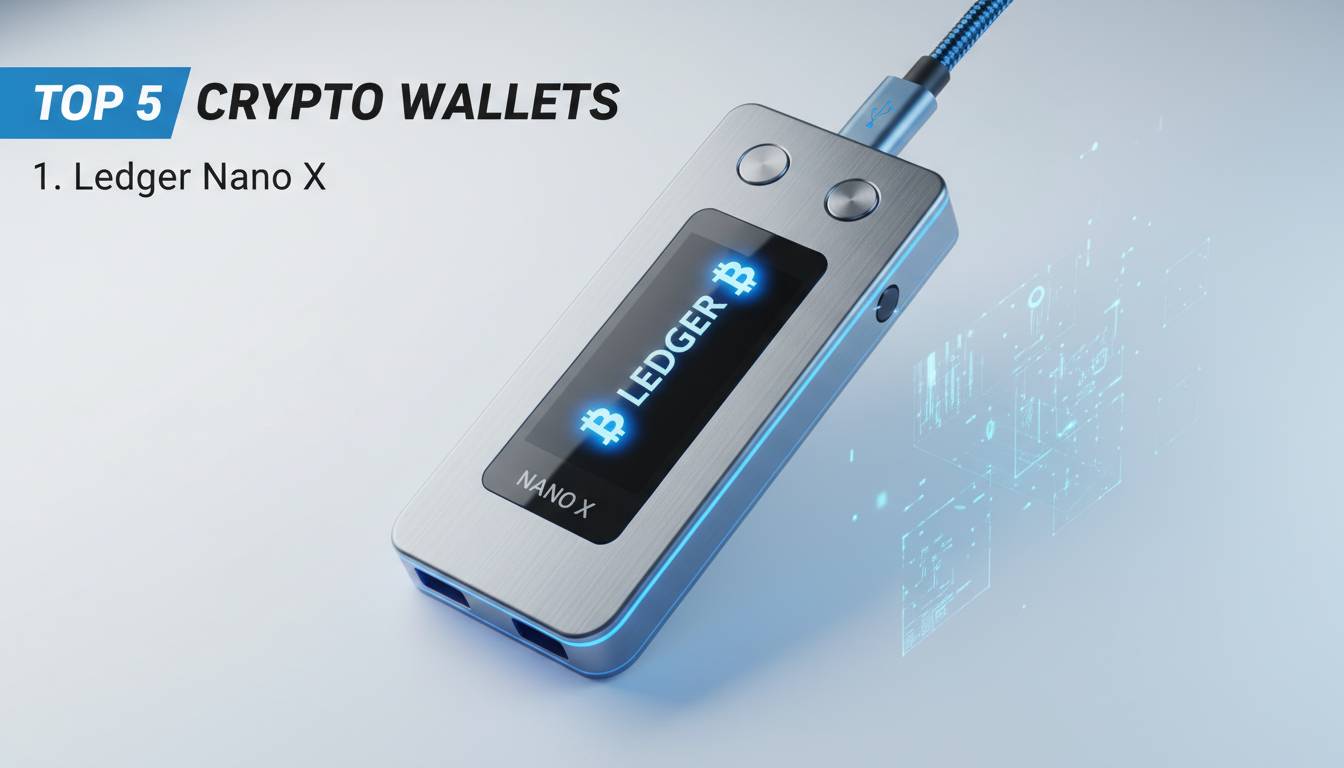
Ledger Nano X: Maximum Security
If security is your priority, Ledger is the answer. The Nano X supports over 5,500 cryptocurrencies—pretty much everything you’d ever want to hold.
The secret sauce is the secure element chip, which isolates your private keys from everything else. Even if your computer is compromised, your keys stay safe. Bluetooth connectivity means you can use it with your phone through the Ledger Live app without cables.
They’re available in India through authorized sellers, and prices are reasonable given what you’re getting.
What works: Best-in-class security, supports almost everything, wireless and mobile-friendly
What doesn’t: Costs money upfront, takes time to learn, need the physical device with you to sign anything
Trust Wallet: Great on Mobile
Trust Wallet has become the go-to for people who do everything on their phone. It started as an Ethereum wallet but now supports over 100 blockchains—impressive versatility.
The built-in DEX aggregator lets you swap tokens directly in the app at competitive rates, which saves you from using external exchanges. You can also stake certain coins to earn rewards without moving your funds anywhere. Being owned by Binance means solid liquidity and reliable price data.
What works: Massive chain support, easy token swaps, staking built in, free
What doesn’t: Phone-only, support isn’t great, too many features can confuse beginners
Coinbase Wallet: Friendly and Solid
Coinbase Wallet strikes a good balance between being easy to use and actually secure. It’s separate from the Coinbase exchange, which means you control your private keys—but you still get the company’s security track record.
It supports a wide range of cryptocurrencies and connects to dApps across multiple chains. The recovery phrase system and biometric login give you flexibility in how you protect your account. Because Coinbase is such a big company, their infrastructure is reliable.
What works: Strong security, really easy to use, lots of coins, good support
What doesn’t: Not as DeFi-capable as MetaMask, mobile version doesn’t work with hardware wallets, some features need a Coinbase account
ZebPay Wallet: The Old Guard
ZebPay has been around since the early days of Indian crypto, and their wallet draws on that experience. INR deposits through verified bank accounts work quickly, and they support most of the coins Indian traders actually care about.
Security includes 2FA, fingerprint login, and cold storage for most user funds. Their support team actually responds in Indian languages, which is a relief when something goes wrong. If you also use their exchange, moving money around is instant.
What works: Established Indian brand, support in local languages, easy INR deposits
What doesn’t: Fewer coins than international wallets, centralized control, no real DeFi features
Exodus Wallet: Pretty and Practical
Exodus made a name for itself by actually making crypto look good. The desktop app supports over 300 cryptocurrencies with real-time charts and portfolio analytics built right in—no jumping between apps.
Their atomic swap feature lets you trade between different blockchains directly, which means more privacy and lower fees. They offer 24/7 live chat support, which matters when you’re trying to fix something at 2 AM.
What works: Gorgeous interface, cross-chain swaps, support around the clock, works on desktop and mobile
What doesn’t: No two-factor authentication, some transactions cost more than expected, code isn’t open source
What Indian Users Should Actually Do About Security
India’s crypto space isn’t heavily regulated, so you need to look out for yourself.
For large holdings, hardware wallets are the move. Keep your keys offline and you’re protected from most attacks. If you’re using hot wallets, enable every security feature available—2FA, biometrics, IP whitelisting, the works. Write down your recovery phrases and keep them in multiple safe physical locations. Never store them digitally because hackers will find them.
Phishing attacks targeting Indian users have gotten more sophisticated. Fake websites look real. Scammers DM you pretending to be support. Never click suspicious links, always double-check URLs, and no legitimate service will ever ask for your recovery phrase.
The Regulatory Situation
India’s crypto rules have clarified a lot recently. There’s a 30% tax on crypto income and 1% TDS on transactions, which means the government recognizes crypto as real activity rather than banning it outright.
These taxes have reduced trading volumes, but they’ve also brought some legitimacy to the market. If you’re using Indian exchanges and wallets, make sure they’re following KYC rules and can help you with tax reporting.
Which Wallet Should You Actually Pick?
Here’s my take: it depends on what you’re doing.
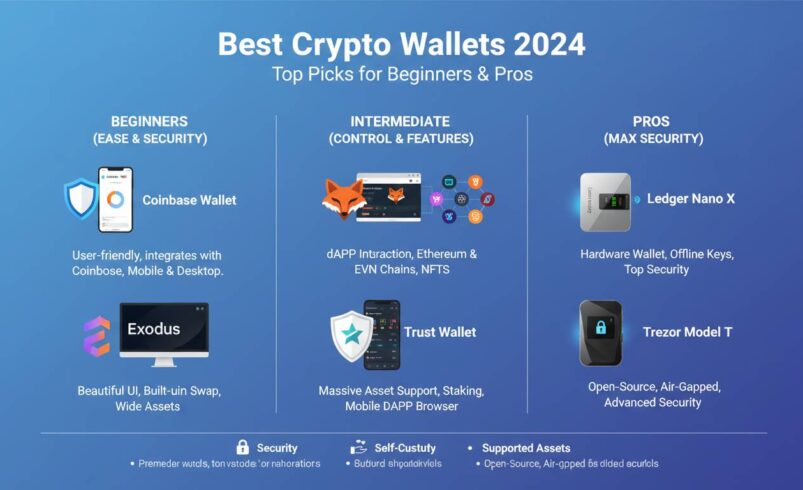
For DeFi and Web3, MetaMask and Trust Wallet are the best options. For easy INR deposits with local language support, CoinDCX and ZebPay make life simple. For serious security on significant holdings, the Ledger Nano X is worth the investment.
Most Indian investors should probably use more than one wallet. Keep a hot wallet for trading and a cold wallet for holding. As the market grows here, expect more options and better features.
Common Questions
What’s the best wallet for beginners in India?
CoinDCX and ZebPay are the easiest to start with. They support Indian languages, make INR deposits simple, and their support teams actually respond in ways that help.
Are hardware wallets worth it?
If you have more than ₹50,000 or so in crypto, yes. The security is genuinely better, and the one-time cost is worth it for meaningful holdings.
Can I legally use MetaMask and Trust Wallet in India?
Yes. These are global wallets, not Indian services, so there’s no legal issue using them. Just remember you still need to pay Indian taxes on any profits.
How do I move crypto from an Indian exchange to my hardware wallet?
Get your hardware wallet address, go to the exchange’s withdrawal section, paste the address, and confirm. Always verify the address character by character before you hit send—mistakes mean lost money.
Which wallet has the lowest fees?
Exodus and Trust Wallet charge the least because they don’t add their own fees on top of network costs. But moving between a wallet and its linked exchange (like CoinDCX) is often free.
Is it safe to keep crypto on exchange wallets?
Small amounts for trading are fine. Large holdings should go to your own wallet. Indian exchanges have gotten more secure, but you don’t control what happens to money sitting on an exchange.