
Crypto is booming in India. Millions of people are now trading digital assets, and if you’re one of them, you need somewhere safe to store your coins. Exchange accounts work fine for buying and selling, but leaving your crypto sitting on an exchange? That’s rolling the dice. Hacks happen. Exchanges go down. Accounts get frozen. And if any of that occurs, your money vanishes with no recourse.
A personal crypto wallet puts you in control. You hold the private keys. No middleman, no dependency on someone else’s infrastructure. This guide breaks down the best options for Indian users in 2024—hardware wallets for maximum security, software wallets for convenience, and exchange wallets if you just want something that works.
Why a Crypto Wallet Matters in 2024
India’s crypto market has exploded. Following the Supreme Court’s 2020 ruling that overturned the banking ban, millions of Indians started trading. Local exchanges like CoinDCX and ZebPay report massive user growth, and international platforms increasingly cater to Indian users.
But here’s the thing: keeping your crypto on an exchange means you don’t actually own it. The exchange holds the private keys. If they get hacked—and exchanges do get hacked—you lose everything. Remember Mt. Gox? QuadrigaCX? These weren’t small operations. Thousands of people lost life-changing money.
A personal wallet solves this. You own the keys. The exchange can’t freeze your funds. You can transfer anywhere, access DeFi apps, and hold whatever coins you want—not just whatever the exchange decides to list.
Our Testing Methodology
We tested wallets across several dimensions: security architecture, ease of use, fee structures, and how well they work for Indian users specifically.
For India-focused evaluation, we looked at rupee (INR) deposit methods, bank transfer compatibility, whether Hindi support exists, and how responsive local customer support actually is. We also checked app store ratings, real user reviews from Indian communities, and each provider’s track record in the country.
No wallet is perfect. Every recommendation below involves trade-offs. We’ll be clear about what each option does well and where it falls short.
Top Crypto Wallets 2024
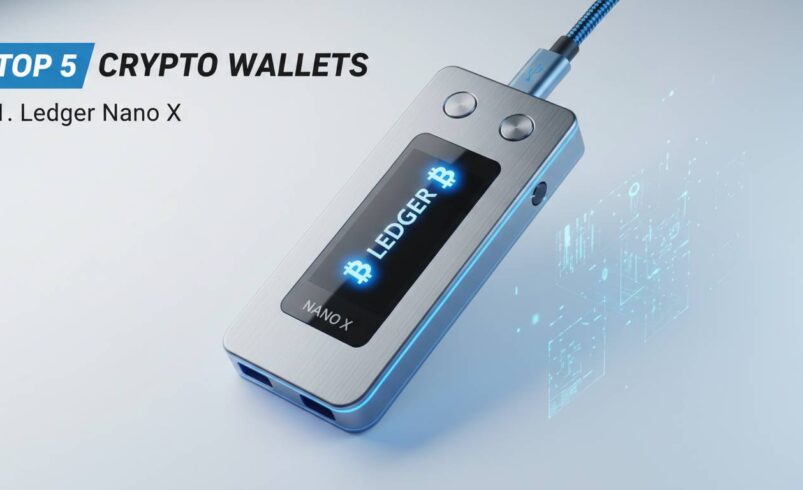
1. Ledger Nano X
Ledger Nano X is our top hardware wallet pick. It uses a certified secure element chip—the same technology used in bank cards and passports—to store your private keys offline. Even if your computer is compromised, the keys never leave the device.
The wallet supports over 5,500 cryptocurrencies. That’s more than most competitors. It connects to your phone via Bluetooth, and the Ledger Live app works in both Hindi and English.
Indian buyers can purchase through Amazon India or authorized resellers. Expect to pay around ₹15,000. Yes, that’s expensive for a small device. But if you’re holding significant crypto, the peace of mind is worth it.
The built-in screen shows transaction details before you confirm. This seems like a small feature, but it prevents countless phishing attacks where hackers trick you into signing a malicious transaction. Always verify what you’re signing on the device itself—not your phone screen, which could be compromised.
2. Trezor Model T
Trezor Model T comes second. It has an open-source design—anyone can audit the code. Security researchers worldwide have examined it, which is exactly what you want. The color touchscreen makes navigation straightforward, and it supports over 1,000 cryptocurrencies.
The standout feature is Shamir Backup. This splits your recovery seed into multiple shares that you store in separate locations. Lose one? No problem. Lose your device and one backup? Still covered. This matters if you live in flood-prone areas or just want protection against fire or theft.
Indian users should note: fewer altcoins are supported compared to Ledger. But for Bitcoin, Ethereum, and major altcoins, it’s fine.
3. Exodus Wallet
Exodus is the best software wallet for most people. It’s free to download, looks good, and works on desktop and mobile. Over 100 cryptocurrencies are supported, including all the majors.
The built-in exchange lets you swap between assets without leaving the app. This is convenient, though the exchange rates aren’t always the best. For larger trades, transfer to an exchange first, then back to your wallet.
Indian users get 24/7 support—which actually responds. Many wallets claim support but take days to reply. Exodus also integrates with Indian exchanges, so moving money in and out isn’t painful.
Security-wise, Exodus encrypts your private keys on your device. You can enable two-factor authentication for an extra layer. The backup process walks you through writing down your recovery phrase, with clear explanations.
The catch: Exodus makes money through the built-in exchange spreads. Frequent traders might find this adds up.
4. CoinDCX Wallet
CoinDCX is India’s biggest exchange, and their native wallet ties directly into their trading platform. If you’re already trading on CoinDCX, using their wallet saves hassle.
INR deposits work through UPI, bank transfers, and popular payment gateways. This is where CoinDCX shines—depositing rupees is actually easy, unlike some international wallets that make you jump through hoops.
Security includes two-factor authentication, cold storage for most funds, and regular third-party audits. The mobile app updates frequently with new features.
The trade-off: because it’s an exchange wallet, you’re still somewhat dependent on CoinDCX existing. But they’re one of the most compliant platforms in India, which reduces regulatory risk.
5. ZebPay Wallet
ZebPay has been around since 2014—making them one of India’s oldest crypto companies. Their wallet solution integrates with their exchange and offers straightforward INR support through verified bank accounts.
Security uses both hot and cold storage. Most user funds sit in cold wallets offline—exactly what you want. Customer support is available in Hindi, Tamil, Telugu, and other Indian languages, which matters if English isn’t your first language.
The interface got a major refresh in 2024. It’s much more usable now, though still not as polished as Exodus or Ledger Live.
Best Crypto Wallets by Category
Best Hardware Wallet
Ledger Nano X wins. The combination of certified secure element security, mobile Bluetooth connectivity, Hindi app support, and 5,500+ supported coins makes it the clear choice for Indian users who want top-tier protection.
Trezor Model T works as a backup option if you prefer open-source transparency or want the touchscreen. Both work fine with Indian exchanges—you can buy on CoinDCX or ZebPay, then transfer to your hardware wallet for cold storage.
Best Software Wallet
Exodus balances security and usability better than anyone else. The portfolio tracking helps you see your total holdings across different coins. Updates come regularly with new features and security patches.
If you want tight integration with Indian rupee infrastructure, CoinDCX or ZebPay wallets make more sense. You sacrifice some security (exchange wallets are inherently less secure than hardware), but you gain convenience. For many casual users, this trade-off makes sense.
Best for Beginners
Exodus is the friendliest. The interface explains things without being condescending. Tooltips define terms like “private key” and “seed phrase” right where you encounter them.
CoinDCX and ZebPay also work well for newcomers. Both offer educational content in Hindi and other Indian languages. If you’re completely new to crypto, starting with an Indian exchange wallet means you can buy your first coin immediately without figuring out how to move money across platforms.
How to Choose the Right Crypto Wallet
Your choice depends on how much you’re holding, how often you trade, and how tech-savvy you are.
Security vs. Convenience: Hardware wallets are more secure but require extra steps to transact. Software wallets are always-connected and easier to use but more vulnerable if your device gets compromised.
Indian Payment Methods: Not all wallets support easy INR deposits. If you plan to buy crypto regularly, check that your chosen wallet/exchange supports UPI and bank transfers you can actually use.
Supported Coins: Bitcoin and Ethereum work everywhere. But if you’re holding random altcoins, verify they’re supported before committing to a wallet.
Fees: Some wallets are free; others charge transaction fees. Hardware wallets have upfront costs but low ongoing fees. Software and exchange wallets often make money through spreads or higher trading fees.
Security Features to Look For
Good wallets have multiple security layers:
- Secure Element: Hardware wallets store keys in a dedicated chip that’s tamper-resistant. This is non-negotiable for serious security.
- Two-Factor Authentication (2FA): Add a second verification step for logging in. Use an authenticator app, not SMS (SIM swapping is real).
- Encryption: Your local data should be encrypted. Even if someone steals your device, they can’t read your keys.
- Recovery Seeds: Every wallet should give you a seed phrase (usually 12 or 24 words). Write this down. Store it somewhere safe. Never type it into any online service. Never take a photo of it.
- Multi-Signature: Advanced feature requiring multiple approvals before spending. Useful for shared accounts or large holdings.
Conclusion
Indian crypto users have good options in 2024. Ledger Nano X and Trezor Model T provide military-grade security for those holding serious money. Exodus delivers the best software wallet experience. CoinDCX and ZebPay make it easy to get started with rupees.
Whatever you choose, enable every security feature available. Back up your seed phrase properly. Never share it with anyone. The crypto space has plenty of scams and bad actors—your security is ultimately your responsibility.
The market will keep growing. Regulations will get clearer. And having a reliable wallet puts you in control of your financial future.
Frequently Asked Questions
What is the best crypto wallet for beginners in India?
Exodus or CoinDCX. Both have beginner-friendly interfaces, Hindi support, and helpful customer service. You can set up an account, deposit rupees, and buy crypto within minutes.
Are hardware wallets worth the investment in 2024?
If you’re holding more than ₹50,000 or plan to hold for years, yes. A hardware wallet protects against hacks, exchange failures, and account freezes. The ₹10,000-15,000 cost is cheap insurance.
Can Indian users legally use crypto wallets?
Yes. The Supreme Court ruled in 2020 that crypto trading is legal. The government taxes crypto transactions (30% on gains, 1% TDS), so you’re operating within the law as long as you pay your taxes.
How do I transfer crypto from an exchange to my personal wallet?
Find the “Withdraw” option on your exchange. Paste your wallet address carefully—crypto transactions can’t be reversed. Always send a small test amount first to confirm everything works.
Do I need a crypto wallet if I use an exchange?
For small amounts you’re actively trading, no. But if you’re holding for months or years, move to a personal wallet. Exchange hacks in India have happened, and users lost funds with limited recourse.
What happens if I lose my crypto wallet?
If you have your recovery seed phrase, you can restore everything on a new device. If you lose both your wallet and the seed phrase, your crypto is gone forever. This is not recoverable—blockchain doesn’t have password resets.