

Bitcoin, the world’s largest cryptocurrency by market capitalization, continues to dominate financial discussions in India and globally. As we move through 2024 with significant regulatory developments and institutional adoption shaping the landscape, investors and enthusiasts are increasingly focused on what 2025 might hold for the pioneering digital asset. Understanding the factors that influence Bitcoin’s price trajectory requires examining current market dynamics, historical patterns, and the evolving ecosystem surrounding cryptocurrency.
The Indian cryptocurrency market has grown substantially, with millions of active traders participating in exchanges across the country. This growth, coupled with regulatory clarity from the Indian government, has created a more structured environment for digital asset investment. However, Bitcoin’s inherent volatility demands a comprehensive understanding of the multiple factors that could shape its value in the coming years.
Key Insights
- Institutional adoption continues to expand globally, influencing Bitcoin’s market position
- Regulatory frameworks in India and worldwide significantly impact cryptocurrency valuations
- Historical halving events demonstrate correlation with subsequent price movements
- Market sentiment and macroeconomic factors play crucial roles in price discovery
- Risk management remains essential for any Bitcoin investment strategy
Current Market Context and 2024 Performance
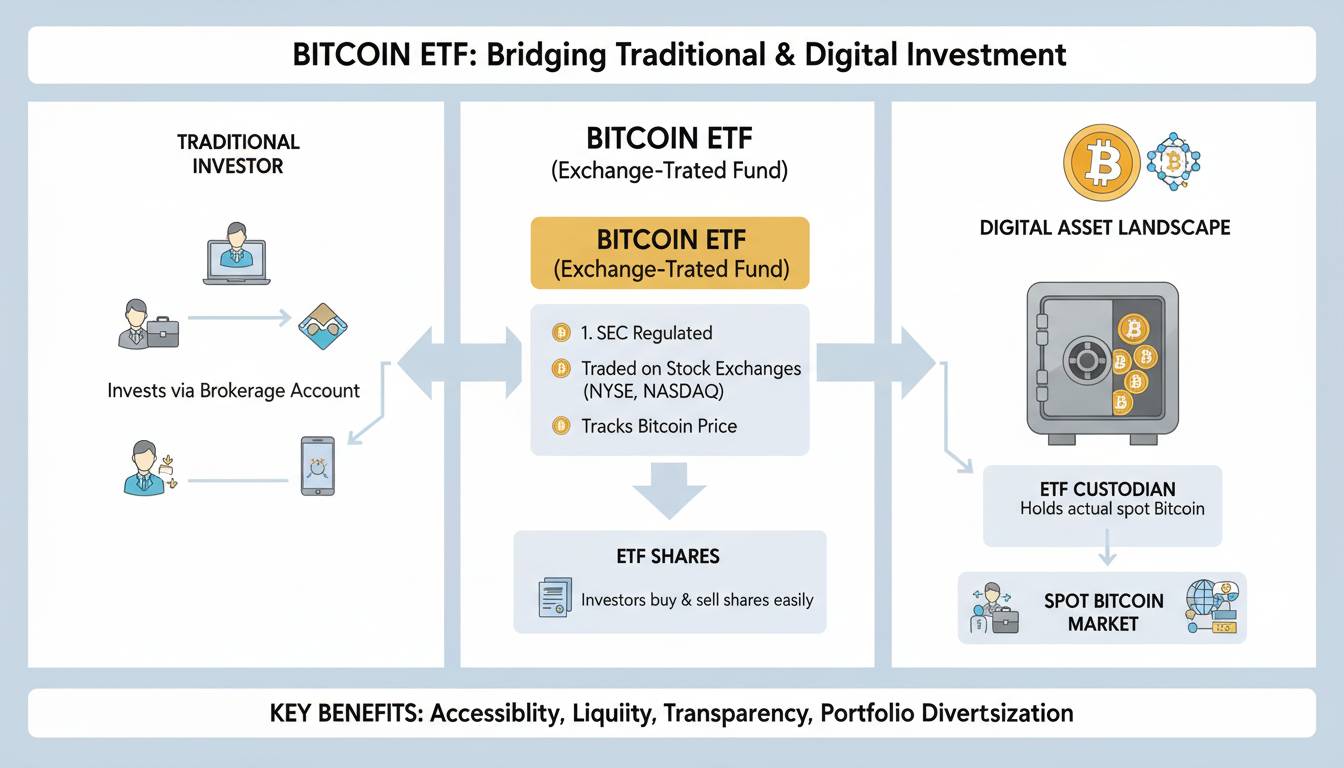
The cryptocurrency market in 2024 has demonstrated remarkable resilience despite global economic uncertainties. Bitcoin has experienced significant price movements throughout the year, reflecting the complex interplay between institutional interest and retail market dynamics. The approval of spot Bitcoin exchange-traded funds (ETFs) in the United States marked a watershed moment, potentially opening cryptocurrency investment to a broader range of traditional financial participants.
India’s cryptocurrency ecosystem has matured considerably during this period. Major exchanges have strengthened their compliance frameworks, implementing Know Your Customer (KYC) requirements and working within the regulatory guidelines established by authorities. The Goods and Services Tax (GST) Council’s decisions regarding cryptocurrency taxation have provided clearer operational parameters for businesses operating in this space.
The trading volume on Indian cryptocurrency exchanges has shown consistent growth, with platforms reporting increased participation from both urban centers and smaller cities. This democratization of access has contributed to a more diverse investor base, with varying risk appetites and investment horizons influencing market behavior.
Historical Pattern Analysis and Halving Cycles
Bitcoin’s price history reveals distinctive patterns that analysts frequently examine when formulating predictions. The cryptocurrency has undergone three major halving events—in 2012, 2016, and 2020—each historically followed by significant price appreciation in the subsequent 12-18 months. The most recent halving occurred in April 2024, reducing the block reward from 6.25 BTC to 3.125 BTC, theoretically decreasing new supply entering the market.
| Halving Year | Pre-Halving Price | Post-Halving Peak | Percentage Increase |
|---|---|---|---|
| 2012 | $12 | $1,127 | 9,291% |
| 2016 | $650 | $19,800 | 2,946% |
| 2020 | $8,700 | $69,000 | 693% |
| 2024 | $64,000 | TBD | TBD |
Historical halving data demonstrates declining percentage returns with each cycle
The diminishing returns across successive halving cycles suggest that while these events remain influential, their impact on price may follow different magnitudes as the market matures and reaches different scale thresholds. Market participants in India should consider these historical patterns as one input among many when evaluating potential future movements.
Factors Influencing Bitcoin Price in 2025
Institutional Adoption and Market Maturation
The continued expansion of institutional participation represents one of the most significant developments in the cryptocurrency ecosystem. Major financial institutions have developed various products and services related to Bitcoin, including custody solutions, trading platforms, and investment vehicles. This institutional infrastructure provides greater legitimacy and potentially reduces some of the volatility traditionally associated with cryptocurrency markets.
Indian institutional interest has also evolved, with several domestic financial institutions exploring cryptocurrency-related services. The Securities and Exchange Board of India (SEBI) has been developing frameworks for digital asset regulation, potentially paving the way for more structured institutional participation in the coming years.
Regulatory Environment
Regulatory developments both domestically and internationally will substantially influence Bitcoin’s trajectory. India has implemented taxation on cryptocurrency transactions and continues to refine its regulatory approach. The Reserve Bank of India (RBI) has maintained its cautious stance while acknowledging the need for balanced regulation that prevents illicit activities without stifling innovation.
Globally, regulatory clarity in major markets like the United States, European Union, and Singapore affects market sentiment and capital flows. Clearer regulatory frameworks generally support market stability, while uncertainty or restrictive measures can create headwinds for price appreciation.
Macroeconomic Factors
Bitcoin’s performance often correlates with broader macroeconomic conditions. Factors including inflation rates, interest rate policies, currency movements, and global economic growth projections influence investor sentiment toward alternative assets. Some investors view Bitcoin as an inflation hedge, though this characterization remains debated among financial professionals.
The Indian rupee’s performance and domestic economic conditions directly impact local Bitcoin pricing and investor purchasing power. Currency fluctuations can amplify or mitigate international price movements when viewed through the lens of local currency valuations.
Technical Analysis and Market Indicators
Technical analysis provides insights into potential price trajectories based on historical trading patterns and market indicators. Various metrics help analysts assess market conditions, though it’s important to recognize that technical analysis represents one perspective among many in evaluating cryptocurrency markets.
Network Health Indicators
- Hash Rate: Measures computational power securing the Bitcoin network, indicating network robustness
- Active Addresses: Tracks unique wallet addresses participating in transactions
- Transaction Volume: Reflects actual usage and adoption levels
- Mining Difficulty: Adjusts automatically to maintain consistent block creation times
Market Sentiment Metrics
- Bitcoin Dominance: Shows Bitcoin’s share of total cryptocurrency market capitalization
- Fear and Greed Index: Aggregates various indicators to gauge market情绪
- Exchange Reserves: Indicates whether investors are holding or moving assets
Indian traders increasingly utilize these technical indicators alongside fundamental analysis when making investment decisions. However, the high volatility characteristic of cryptocurrency markets means that technical analysis provides guidance rather than certainty.
Risk Considerations for Indian Investors
Investing in Bitcoin carries substantial risks that warrant careful consideration. The cryptocurrency market remains significantly volatile, with prices capable of experiencing rapid and substantial movements in either direction. Indian investors should understand these risks thoroughly before allocating capital.
Market Risks
- Price volatility can result in significant short-term losses
- Liquidity concerns may affect the ability to execute trades at desired prices
- Market manipulation remains a concern in less regulated spaces
Regulatory Risks
- Changes in Indian cryptocurrency regulations could impact holdings
- Tax implications may shift based on future regulatory developments
- Exchange closures or restrictions could affect asset accessibility
Operational Risks
- Exchange hacks or security breaches can result in asset loss
- Technical failures may temporarily prevent trading
- Counterparty risks exist when using third-party services
Investors should only allocate capital they can afford to lose entirely and maintain diversified portfolios that align with their overall financial objectives. Consulting with qualified financial advisors familiar with both traditional finance and cryptocurrency markets provides valuable perspective for investment decisions.
Expert Perspectives and Market Forecasts
Financial analysts and cryptocurrency researchers offer varying perspectives on Bitcoin’s potential trajectory. These views span a broad spectrum, reflecting the inherent uncertainty in predicting any financial asset’s performance.
Bullish Perspectives
Several analysts point to continued institutional adoption, limited supply dynamics, and growing acceptance of cryptocurrency as portfolio diversifiers. Proponents emphasize Bitcoin’s fixed supply cap of 21 million coins as a deflationary characteristic that may support long-term value appreciation. The expansion of payment infrastructure and merchant adoption also features prominently in optimistic forecasts.
Cautious Views
Other analysts emphasize the speculative nature of cryptocurrency investment and the potential for regulatory crackdowns that could suppress prices. Concerns about energy consumption, environmental impact, and use in illicit activities factor into more restrained assessments. These perspectives often highlight the lack of intrinsic value in cryptocurrency and the challenges of valuation in the absence of traditional financial metrics.
Middle Ground Analysis
Many market participants adopt balanced perspectives, acknowledging both the potential for significant returns and the possibility of substantial declines. This approach recognizes that cryptocurrency markets remain relatively young and that future developments—both anticipated and unexpected—will significantly influence price trajectories.
India’s Position in the Global Cryptocurrency Market
India occupies a unique position in the global cryptocurrency landscape. With one of the largest populations of cryptocurrency users worldwide, the country represents a significant market for digital asset trading and investment. Several Indian cryptocurrency exchanges have achieved substantial user bases and trading volumes, competing with global platforms for market share.
The Indian government’s approach to cryptocurrency regulation has evolved through multiple iterations, moving from a proposed blanket ban to a more nuanced regulatory framework that permits cryptocurrency trading while implementing taxation and compliance requirements. This regulatory evolution reflects the government’s recognition of the industry’s economic potential while addressing concerns about consumer protection and financial stability.
Technology adoption in India, particularly mobile-first consumers, has facilitated cryptocurrency accessibility. Indian investors can participate in cryptocurrency markets through user-friendly applications, with many platforms offering simplified interfaces designed for newer investors. This accessibility has contributed to the democratization of investment opportunities previously reserved for traditional financial markets.
Conclusion
Bitcoin prediction for 2025 involves substantial uncertainty, with numerous factors capable of influencing price trajectories in either direction. The cryptocurrency’s performance will likely reflect the ongoing interplay between institutional adoption, regulatory developments, macroeconomic conditions, and market sentiment.
Indian investors considering Bitcoin exposure should approach with appropriate caution, understanding both the potential opportunities and significant risks involved. Diversification, thorough research, and investment within personal risk tolerance remain essential principles. The cryptocurrency market’s inherent volatility demands realistic expectations and careful portfolio management.
As the ecosystem continues maturing, with increasing regulatory clarity and institutional infrastructure, the market may evolve in ways that differ from historical patterns. Staying informed about developments in India and globally provides the foundation for making educated investment decisions in this dynamic space.
Frequently Asked Questions
Is Bitcoin a good investment for Indian investors in 2025?
Bitcoin investment suitability depends on individual financial situations, risk tolerance, and investment objectives. Indian investors should consider their complete financial portfolio, maintain emergency funds, and invest only capital they can afford to lose entirely. The high volatility means Bitcoin should typically represent a small portion of a diversified investment strategy.
What is the best Bitcoin investment strategy for beginners in India?
Beginners should start with small amounts, utilize reputable exchanges with strong security features, and consider systematic investment approaches rather than attempting market timing. Understanding basic concepts like wallet security, private keys, and transaction mechanisms provides essential foundation before making significant investments.
How is Bitcoin taxed in India?
India imposes a 30% tax on cryptocurrency gains along with a 1% tax deducted at source (TDS) on transactions above certain thresholds. These tax provisions apply to Bitcoin and other cryptocurrency transactions, and investors should maintain accurate records for tax reporting purposes. Consulting tax professionals familiar with cryptocurrency regulations is advisable.
Will Bitcoin replace traditional currency in India?
Bitcoin is unlikely to replace traditional currency in India or elsewhere in the foreseeable future. While cryptocurrency serves as an investment asset and payment mechanism in certain contexts, traditional fiat currencies remain the primary medium of exchange. Bitcoin’s volatility and regulatory uncertainty present significant barriers to widespread adoption as everyday currency.
What are the main risks of holding Bitcoin in India?
Primary risks include price volatility, regulatory changes affecting cryptocurrency ownership or trading, exchange security breaches, and technical failures. Additionally, the 30% tax on gains and 1% TDS can significantly impact returns. Investors should use hardware wallets for long-term storage and select reputable exchanges with strong security track records.