
The global NFT market, valued at approximately $3 billion in 2023, has undergone significant transformation as the technology matures beyond speculative digital art collectibles into practical applications across gaming, real estate, identity verification, and enterprise solutions. For Indian investors and creators, understanding these evolving dynamics becomes crucial as the country’s digital economy expands and regulatory frameworks clarify.
Key Insights
– Global NFT trading volume reached $4.6 billion in Q4 2024, showing 23% growth from the previous year
– India ranks among the top 5 countries globally for NFT awareness and creator activity
– Enterprise NFT adoption increased 156% year-over-year as brands seek verifiable digital ownership solutions
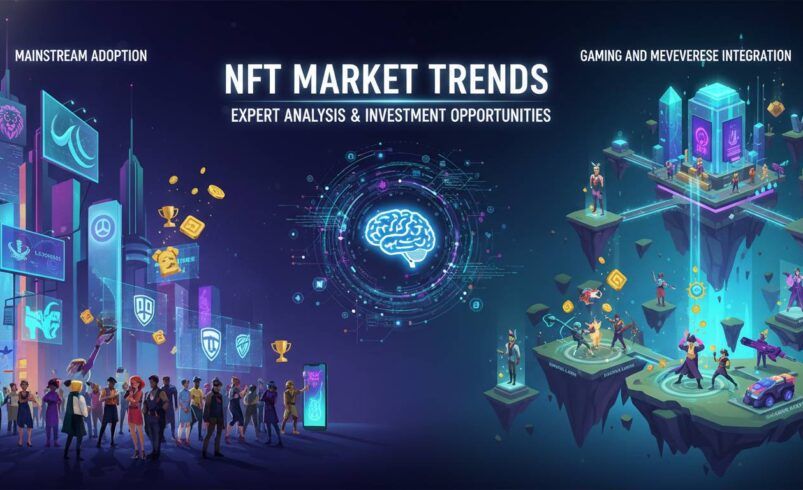
– Gaming and metaverse NFTs now represent 45% of total market transaction volume
This analysis examines current market dynamics, India-specific opportunities, investment considerations, and the technological infrastructure shaping the NFT ecosystem in 2025.
Understanding the Current NFT Market Landscape
The NFT market has evolved substantially from its 2021-2022 peak when speculative trading dominated headlines. Today’s market demonstrates greater maturity, with transaction volumes stabilizing and utility-focused applications driving sustainable growth.
Market Segmentation Analysis
The NFT ecosystem divides into several distinct categories, each experiencing different growth trajectories:
Collectibles and Digital Art remain the largest segment by unique wallet activity, though trading volumes have normalized to sustainable levels. Platforms like OpenSea, Blur, and emerging Indian platforms such as NFTically continue facilitating transactions, but the market has shifted from rapid price appreciation to more measured collector activity.
Gaming and Metaverse Assets have emerged as the dominant category by transaction volume. Games incorporating play-to-earn mechanics and digital item ownership—such as Axie Infinity, Gods Unchained, and newer entrants—generate substantial trading activity. The integration of NFTs as in-game items, characters, and land parcels has created a $1.2 billion sub-sector.
Utility and Identity NFTs represent the fastest-growing segment. These include event tickets, membership credentials, digital identity documents, and certificates of authenticity. Enterprise adoption has accelerated as businesses recognize blockchain-based verification advantages.
Real World Asset Tokenization marks a significant emerging trend. Traditional assets including real estate, stocks, and commodities increasingly mint as NFTs, providing fractional ownership opportunities and enhanced liquidity. This segment attracted $890 million in institutional investment during 2024.
Geographic Distribution and India’s Position
India has established itself as a significant player in the global NFT ecosystem. According to various industry reports, Indian users demonstrate high engagement rates with NFT platforms, ranking among the top nations for wallet creation and marketplace participation. Several factors contribute to this position:
The country’s large young demographic, combined with increasing smartphone penetration and digital literacy, creates favorable conditions for NFT adoption. Additionally, the established developer community in India has contributed significantly to NFT infrastructure development, with Indian co-founders behind several prominent NFT platforms and tools.
Investment Opportunities in the Indian Market
Platform and Infrastructure Investments
The Indian NFT ecosystem has developed its own infrastructure layer, creating investment opportunities beyond direct NFT purchases.
Marketplace Development: Indian-founded platforms like WazirX NFT, NFTically, and Charged Particles have gained regional traction. These platforms offer lower transaction fees compared to international competitors and better accommodate Indian payment systems including UPI integration.
NFT Launchpad Services: Companies facilitating NFT creation and distribution for brands and creators represent an emerging investment category. These services handle technical deployment, marketing, and community building, lowering entry barriers for traditional businesses entering the NFT space.
Analytics and Tools: Portfolio tracking, floor price monitoring, and trading tools designed for the Indian market present sustainable business opportunities as the investor base expands.
Category-Specific Opportunities
Gaming NFTs: India’s gaming market, projected to reach $7.5 billion by 2026, provides fertile ground for NFT-gaming integration. Indian game developers increasingly incorporate blockchain elements, creating opportunities for early participants in gaming NFT ecosystems.
Cultural and Creative NFTs: Indian art, music, and cultural content represent underutilized NFT categories. Platforms enabling artists to monetize digital creations while maintaining authenticity verification appeal to both collectors and creators seeking direct audience relationships.
Enterprise NFT Solutions: B2B opportunities exist in supply chain verification, customer loyalty programs, and intellectual property management. Indian businesses are gradually exploring these applications, with startups developing solutions tailored to regional requirements.
Risk Factors and Mitigation Strategies
Market Volidity
NFT markets remain highly volatile, with prices capable of significant fluctuations within short timeframes. Unlike traditional financial assets, NFTs lack established fundamental valuation metrics, making price discovery challenging.
Mitigation Approaches:
– Diversification across multiple NFT categories reduces single-asset exposure
– Position sizing based on total portfolio allocation prevents overexposure
– Long-term holding strategies rather than active trading reduce transaction costs and timing risks
Regulatory Uncertainty
India’s regulatory stance toward cryptocurrencies and digital assets continues developing. The 2022 imposition of 30% taxation on crypto gains and subsequent market adjustments created operational challenges. While NFTs themselves have not faced specific regulation, the broader crypto regulatory environment affects market participation.
Mitigation Approaches:
– Staying informed about regulatory developments through official announcements
– Consulting with tax professionals regarding compliance obligations
– Maintaining detailed transaction records for tax reporting purposes
– Using regulated exchange platforms when available
Technical and Security Risks
NFT storage vulnerabilities, smart contract exploits, and platform failures present technical risks. Several high-profile incidents involving platform hacks and rug pulls have demonstrated these dangers.
Mitigation Approaches:
– Using hardware wallets for significant NFT holdings
– Verifying smart contract audits before significant purchases
– Diversifying across multiple platforms to reduce single-point failures
– Researching platform history, team backgrounds, and community trust metrics before engagement
Technical Infrastructure and Platform Comparison
Understanding the technical foundations supporting NFT ecosystems helps investors make informed decisions about platform selection and asset storage.
Blockchain Networks
| Network | Transaction Speed | Gas Fees | NFT Standards | Primary Use Cases |
|---|---|---|---|---|
| Ethereum | 12-15 TPS | High ($5-50) | ERC-721, ERC-1155 | Premium art, collectibles |
| Polygon | 7,000 TPS | Minimal (<$0.01) | ERC-721, ERC-1155 | Gaming, mass-market |
| Solana | 65,000 TPS | Low ($0.01-0.10) | Metaplex | Gaming, DeFi integration |
| Immutable X | 9,000 TPS | None (L2) | ERC-721 | Gaming-focused |
| Tezos | 40 TPS | Low (<$0.50) | FA2 | Art, cultural content |
Ethereum maintains dominance in high-value art and collectible transactions due to its network effects and established marketplace infrastructure. Polygon and Solana have gained traction for gaming applications and lower-cost transactions suitable for smaller-value transfers.
Indian Platform Ecosystem
Several India-specific platforms serve the domestic market:
WazirX NFT: Integrated with the broader WazirX exchange ecosystem, offering INR trading pairs and familiar user interfaces for existing crypto users.
NFTically: Positioned as a white-label solution for brands, providing NFT minting and marketplace infrastructure.
Rario: Focused on sports NFT collectibles, particularly cricket, partnering with athletes and sports organizations.
GuardianLink: Provides NFT infrastructure for celebrity and brand launches, handling technical and marketing aspects.
The Road Ahead: Market Projections
Growth Drivers
Several factors suggest continued market expansion through 2025 and beyond:
Institutional Integration: Major brands including Nike, Starbucks, and Reddit have established NFT programs, validating the technology for mainstream applications. Similar adoption by Indian brands could accelerate local market growth.
Interoperability Improvements: Cross-chain NFT standards and bridge solutions increasingly enable asset movement between networks, enhancing liquidity and utility.
Financial Product Development: Fractional ownership, NFT-backed lending, and index products create new investment mechanisms, potentially attracting institutional capital.
Digital Identity Applications: Government and enterprise interest in blockchain-based identity verification could drive significant utility NFT adoption.
Challenges to Monitor
Market Consolidation: Competition may reduce marketplace options to fewer dominant platforms, potentially increasing fees or reducing creator revenue shares.
Environmental Concerns: Energy consumption debates continue affecting perception, though newer networks and layer-2 solutions address these concerns significantly.
Speculative Behavior: Market cycles driven by speculation rather than utility could create volatility periods, as demonstrated in previous boom-bust cycles.
Frequently Asked Questions
Are NFTs a good investment in India in 2025?
NFTs can serve as portfolio diversifiers for investors with high risk tolerance and understanding of digital asset markets. However, they should constitute a small percentage of a diversified portfolio due to high volatility, lack of regulatory protection, and valuation uncertainty. Indian investors should consult financial advisors and understand tax implications before investing.
Which NFTs are most popular in India?
Gaming-related NFTs, cricket sports collectibles, and digital art featuring Indian themes maintain strong domestic interest. Platforms like Rario (cricket NFTs) and various gaming NFT marketplaces see significant Indian user activity. Cultural and religious art NFTs also find buyers within the Indian collector community.
Is it legal to buy and sell NFTs in India?
NFT trading operates in a gray area rather than explicit legality or illegality. The 2022 crypto taxation rules apply to NFT transactions, though the underlying asset class remains undefined. Users should maintain tax compliance, use reputable platforms, and stay updated on regulatory developments.
What is the minimum investment required to start with NFTs?
Entry points vary significantly by platform and category. Some marketplaces allow purchases for under $10 using layer-2 networks, while premium art pieces sell for millions. New investors should start with small amounts on established platforms, prioritizing education over immediate investment.
How do I safely store NFTs?
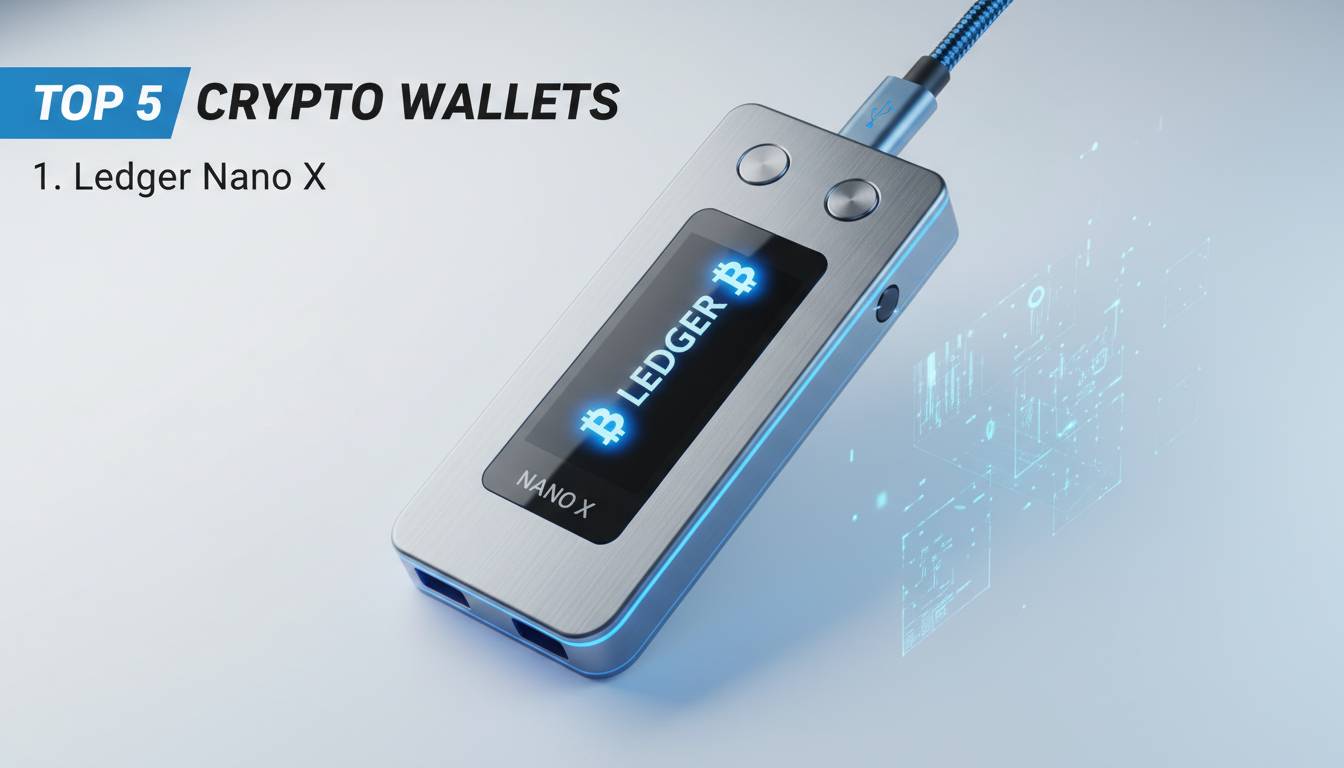
Hardware wallets (Ledger, Trezor) provide the most secure storage for valuable NFT holdings. Software wallets like MetaMask offer convenience for active trading. For Indian users, understanding wallet seed phrase security remains crucial, as lost keys result in permanent asset loss with no recovery mechanisms.
Will NFT values increase over time?
NFT values depend entirely on specific asset utility, creator reputation, and market demand—no guarantees exist. Unlike stocks or real estate, NFTs lack intrinsic value drivers like earnings or rental income. Some collections have maintained value while others have become worthless, making selection research essential.
Conclusion
The NFT market in 2025 presents a landscape of evolved utility and maturing infrastructure rather than the speculative frenzy that characterized earlier periods. For Indian participants, opportunities exist across gaming, cultural content, enterprise applications, and platform development, though significant risks require careful consideration.
Successful navigation of this market demands thorough research, appropriate position sizing, and realistic expectations. The integration of NFTs into gaming economies, real-world asset tokenization, and enterprise verification systems suggests sustainable applications beyond collectible speculation. However, regulatory uncertainty, technical complexity, and market volatility demand caution.
Indian investors approaching NFT markets should prioritize education, begin with minimal capital, and focus on utility-driven categories rather than purely speculative assets. As the broader digital asset regulatory framework develops, clarity may enable greater institutional participation, potentially transforming the market dynamics significantly.