
India’s digital asset ecosystem has undergone significant transformation, with NFT marketplaces emerging as a powerful platform for creators, collectors, and investors. Whether you’re an artist looking to monetize digital artwork or an investor exploring new asset classes, understanding how NFT marketplaces operate within India’s regulatory landscape is essential for making informed decisions.
This comprehensive guide covers everything you need to know about NFT marketplaces—from basic concepts to advanced trading strategies, legal considerations, and platform comparisons tailored specifically for Indian users.
What Is an NFT Marketplace?
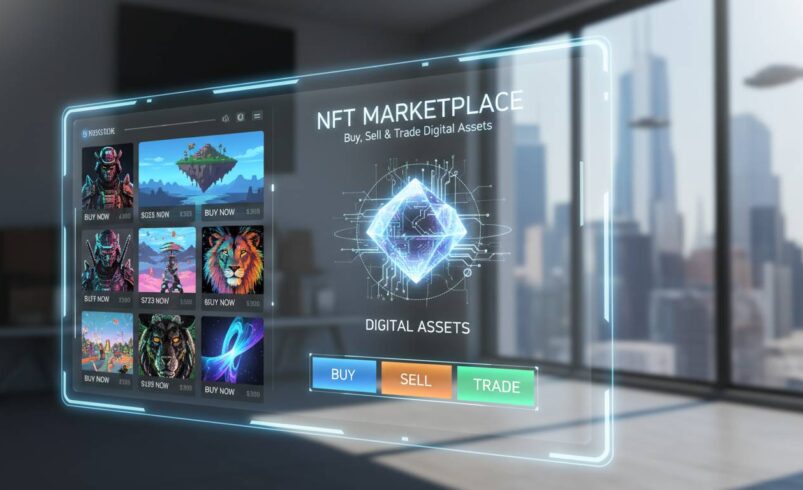
An NFT marketplace is a digital platform where users can buy, sell, and trade non-fungible tokens—unique digital assets verified through blockchain technology. Unlike cryptocurrencies such as Bitcoin or Ethereum, where each unit is identical, NFTs represent distinct items with verified ownership and scarcity.
NFT marketplaces function similarly to traditional art galleries or auction houses, but with several key differences:
- 24/7 Global Access: Transactions occur anytime, anywhere
- Fractional Ownership: Some NFTs can be divided among multiple owners
- Automatic Royalties: Creators receive percentages on secondary sales
- Verification: Blockchain technology ensures authenticity and ownership history
In India, NFT marketplaces have gained traction among digital artists, musicians, gaming enthusiasts, and collectors seeking to leverage the country’s growing creator economy. The market saw significant growth in 2021-2022, with Indian artists increasingly adopting NFTs as a revenue stream.
How NFT Marketplaces Work
Understanding the underlying mechanics helps you navigate these platforms effectively. Here’s a breakdown of the core functionality:
Blockchain Infrastructure
Most NFT marketplaces operate on Ethereum, which remains the dominant blockchain for NFT transactions. However, alternative blockchains like Solana, Polygon, and Tezos have gained popularity due to lower transaction fees—a critical factor for Indian users sensitive to gas costs.
When you purchase an NFT, the transaction is recorded on the blockchain, creating an immutable record of ownership. This verification eliminates the need for intermediaries like galleries or auction houses.
The Minting Process
Before an NFT can be sold, it must be “minted”—the process of creating a digital token that represents the underlying asset. During minting, creators typically define:
- Royalty Percentage: Usually 5-15% on secondary sales
- Blockchain: The network where the NFT will live
- Metadata: Information about the digital asset
Buying Mechanisms
NFT marketplaces offer several purchasing methods:
| Method | Description | Best For |
|---|---|---|
| Fixed Price | Buy immediately at listed price | Quick purchases |
| Auction | Highest bid wins | Rare or valuable items |
| Offers | Submit custom bid amounts | Negotiating deals |
| Bundles | Multiple NFTs sold together | Collection buyers |
Transaction Fees
Every transaction involves multiple fee types:
- Gas Fees: Network charges for processing transactions (varies by blockchain congestion)
- Platform Fees: Marketplace commission (typically 2.5-5%)
- Royalty: Percentage to original creator on secondary sales
For Indian users, platforms offering INR (Indian Rupee) support and UPI payments have significantly reduced entry barriers, though most transactions still occur in cryptocurrency.
Top NFT Marketplaces for Indian Users
Several platforms have emerged as popular choices among Indian NFT enthusiasts. Here’s a detailed comparison:
OpenSea
Overview: The largest NFT marketplace by volume, OpenSea offers extensive collections across multiple blockchains.
- Blockchain: Ethereum, Polygon, Solana
- Platform Fee: 2.5%
- Payment Options: Crypto (ETH, USDC), credit cards via third-party processors
- Best For: Global collections, diverse art categories
Pros: Massive inventory, established reputation, extensive features
Cons: High gas fees on Ethereum network, complex interface for beginners
WazirX NFT Marketplace
Overview: India’s homegrown crypto exchange WazirX launched its NFT platform, focusing on Indian creators and collectors.
- Blockchain: Binance Smart Chain
- Platform Fee: 2%
- Payment Options: WRX tokens, INR through WazirX
- Best For: Indian artists, INR transactions
Pros: INR support, Indian payment gateways, local creator focus
Cons: Limited global reach, smaller collection size
Jump.trade
Overview: Backed by Polygon, Jump.trade positions itself as an accessible entry point for Indian users.
- Blockchain: Polygon
- Platform Fee: 2.5%
- Payment Options: Credit/debit cards, UPI, crypto
- Best For: Beginners, sports NFTs, gaming assets
Pros: Low transaction fees, Indian payment support, cricket NFT collections
Cons: Smaller user base compared to global platforms
Bitgert NFT Marketplace
Overview: Built on Bitgert chain, this platform emphasizes zero gas fees.
- Blockchain: Bitgert
- Platform Fee: Negotiable
- Payment Options: BRC20 tokens
- Best For: Cost-sensitive users
Pros: No gas fees, low entry barrier
Cons: Less established, limited collections
| Platform | Best For | Indian Payment | Blockchain |
|---|---|---|---|
| OpenSea | Global collections | Limited | Multi-chain |
| WazirX NFT | Indian creators | ✅ INR, UPI | BSC |
| Jump.trade | Beginners | ✅ Cards, UPI | Polygon |
| Bitgert | Budget users | Limited | Bitgert |
How to Buy NFTs in India – Step by Step
Purchasing NFTs involves several technical steps. Here’s a practical guide tailored for Indian users:
Step 1: Set Up a Cryptocurrency Wallet
You’ll need a digital wallet that supports the blockchain of your chosen marketplace. MetaMask remains the most popular option.
Installation Process:
1. Download MetaMask browser extension or mobile app
2. Create a secure password
3. Write down your seed phrase (12-24 words) and store safely
4. Never share your seed phrase with anyone
Step 2: Acquire Cryptocurrency
To buy NFTs, you need cryptocurrency (typically ETH for Ethereum-based marketplaces). Indian users can purchase crypto through:
- WazirX: INR deposits via UPI/bank transfer, then withdraw to wallet
- CoinDCX: INR deposits, extensive crypto selection
- ZebPay: Established exchange with NFT integration
Recommended Approach:
1. Create account on Indian exchange (KYC required)
2. Complete identity verification
3. Deposit INR via UPI or bank transfer
4. Purchase ETH or the required cryptocurrency
5. Transfer to your MetaMask wallet
Step 3: Connect Wallet to Marketplace
- Visit your chosen NFT marketplace
- Click “Connect Wallet” or similar option
- Select MetaMask from the list
- Approve connection request in wallet
- Confirm wallet address displayed
Step 4: Browse and Select NFTs
When evaluating NFTs, consider:
- Rarity: Unique attributes that distinguish the item
- Utility: Access, benefits, or perks associated with ownership
- Creator Reputation: Track record and community standing
- Historical Sales: Previous prices indicate market value
- Community: Discord members, Twitter followers suggest demand
Step 5: Complete the Purchase
- Click “Buy Now” or place bid
- Review total cost (including fees)
- Confirm transaction in MetaMask
- Wait for blockchain confirmation
- NFT appears in your wallet or marketplace profile
Selling and Trading NFTs
If you’re looking to monetize your digital creations or trade existing holdings, understanding the selling process is crucial.
Listing Your NFT for Sale
Setting the Right Price
Research comparable sales in the collection. Consider:
- Floor price (lowest listed price)
- Recent sales history
- Item rarity and attributes
- Current market sentiment
Listing Options:
– Fixed Price: Set a specific amount
– Timed Auction: Limited bidding window
– Accept Offers: Allow buyers to propose prices
Maximizing Your Returns
- Time Your Listings: Market volatility affects prices; avoid panic selling
- Build Collection Value: Rare items appreciate over time
- Engage with Community: Discord and Twitter presence impacts visibility
- Consider Royalties: Price to account for platform fees and future royalties
Transferring and Trading
You can transfer NFTs between wallets or trade them on secondary markets. Always verify:
- Recipient wallet address (transactions are irreversible)
- Network compatibility (same blockchain required)
- Sufficient gas fees for transfer
Legal and Tax Considerations in India
Navigating the regulatory landscape is essential for Indian NFT participants. Here’s what you need to know:
Regulatory Status
As of early 2024, NFTs are not explicitly banned in India, though the regulatory environment remains evolving. Key points:
- No Specific Law: NFTs are not currently classified as illegal
- Crypto Framework: The government has clarified cryptocurrency is not legal tender but can be held as an asset
- Potential Regulations: Future legislation may impact NFT trading
Tax Implications
The Indian government has established tax rules for digital assets:
- 30% Tax on Crypto Profits: Gains from NFT transactions may fall under this framework
- 1% TDS: Tax deducted at source on crypto transactions above specified thresholds
- GST Considerations: Questions remain about GST applicability on NFT transfers
Practical Advice:
– Maintain detailed records of all transactions
– Consult a tax professional familiar with digital assets
– Consider GST implications for commercial NFT activities
Consumer Protection
Exercise caution:
- Only use reputable platforms with security audits
- Verify creator authenticity before purchasing
- Understand smart contract risks
- Be wary of phishing attempts and scams
Common Mistakes to Avoid
Both newcomers and experienced traders make errors that can be costly. Here’s how to avoid them:
Mistake 1: Ignoring Gas Fees
The Problem: Focusing only on purchase price while overlooking network fees, especially on Ethereum during high congestion.
The Solution: Calculate total cost (purchase + gas + platform fees) before buying. ConsiderPolygon or Solana alternatives for lower costs.
Mistake 2: FOMO Buying
The Problem: Panic purchasing during market hype, often at inflated prices.
The Solution: Research thoroughly, set budget limits, and avoid impulsive decisions. Remember: FOMO often leads to FUD (Fear, Uncertainty, Doubt) later.
Mistake 3: Neglecting Security
The Problem: Storing NFTs in exchange wallets or sharing sensitive information.
The Solution: Use hardware wallets for significant holdings, enable two-factor authentication, never share seed phrases.
Mistake 4: Ignoring Project Verification
The Problem: Buying into unverified or plagiarized NFT projects.
The Solution: Check creator verification status, review blockchain records, search for duplicate collections, join Discord communities to verify legitimacy.
Mistake 5: Not Understanding Royalty Structure
The Problem: Overlooking ongoing costs that affect long-term profitability.
The Solution: Factor in platform fees (2.5-5%) plus creator royalties (typically 5-15%) when calculating potential returns.
The Future of NFT Marketplaces in India
India’s NFT landscape continues evolving, with several trends shaping the market:
Emerging Opportunities
- Gaming NFTs: In-game assets and play-to-earn mechanics gaining Indian audience
- Music Rights: Artists exploring NFT-based royalty distribution
- Real Estate Tokenization: Property ownership via NFTs attracting investor interest
- Education Certifications: Universities piloting NFT-based credentials
Technology Developments
- Layer 2 Solutions: Polygon and other scaling technologies reducing transaction costs
- Cross-Chain Compatibility: Improved interoperability between blockchains
- Mobile-First Platforms: Indian users driving mobile NFT marketplace development
- UPI Integration: Indian payment systems enabling easier INR transactions
Market Maturation
The Indian NFT market is expected to mature with:
- Clearer regulatory frameworks
- Institutional participation
- Improved consumer protection
- Greater mainstream adoption
Experts predict India could become one of the largest NFT markets globally, driven by young demographics, digital adoption, and creative talent.
Frequently Asked Questions
Is it legal to buy and sell NFTs in India?
As of 2024, NFT trading is not explicitly illegal in India. The government has not banned NFTs, though it has clarified that cryptocurrencies are not legal tender. However, the regulatory environment continues evolving. It’s advisable to stay updated on potential future regulations and consult legal professionals for specific guidance.
How do I buy NFTs in India using INR?
To buy NFTs with INR: (1) Create an account on an Indian crypto exchange like WazirX or CoinDCX, (2) Complete KYC verification, (3) Deposit INR via UPI or bank transfer, (4) Purchase cryptocurrency (usually ETH), (5) Transfer crypto to a wallet like MetaMask, (6) Connect wallet to NFT marketplace and complete purchase.
What are the tax implications for NFT sales in India?
NFT profits may be taxed at 30% under India’s cryptocurrency tax framework. Additionally, there’s a 1% TDS on crypto transactions above certain thresholds. GST applicability remains unclear. Maintain comprehensive transaction records and consider consulting a tax professional experienced with digital assets.
Which NFT marketplace is best for beginners in India?
Jump.trade and WazirX NFT are recommended for beginners due to their Indian payment support (UPI, cards), lower entry barriers, and user-friendly interfaces. Jump.trade offers lower transaction fees on Polygon, while WazirX provides better INR integration. Start with small purchases to understand the process before investing larger amounts.
Can Indian artists sell their artwork as NFTs?
Yes, Indian artists can sell artwork as NFTs on any global marketplace. Indian platforms like WazirX NFT specifically cater to domestic creators. Artists should verify the platform’s royalty structure, understand gas fees, and ensure their digital art meets the marketplace’s standards. Building an audience on social media platforms before launching can improve sales success.
What is the minimum investment needed to start trading NFTs?
There is no fixed minimum, but you should account for gas fees, platform fees, and purchase price. Starting with 0.05-0.1 ETH (approximately ₹5,000-₹15,000 at current rates) allows for testing the process. Some marketplaces on Polygon or Solana allow purchases with under ₹1,000, making them attractive for beginners wanting to learn without significant investment.