
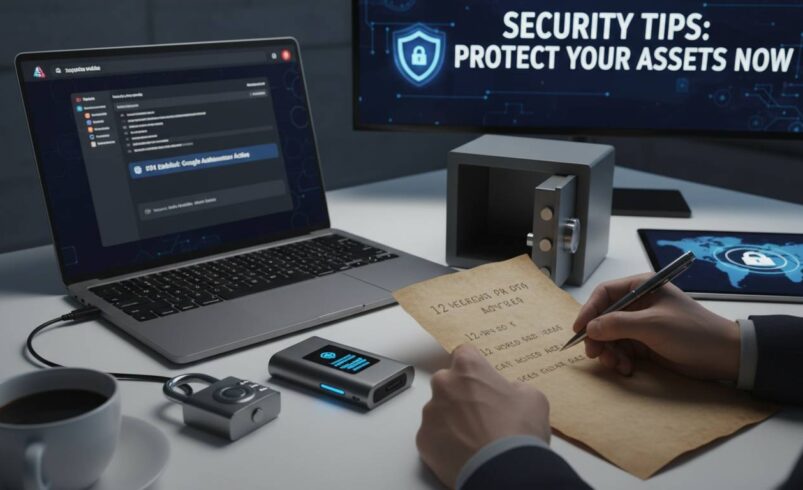

Cryptocurrency holdings worth billions of dollars have been lost to hackers, scams, and simple user errors over the past decade. In 2023 alone, crypto criminals stole approximately $1.7 billion worth of digital assets globally, according to blockchain analytics firm Chainalysis. For Indian investors—who collectively hold an estimated $6 billion in cryptocurrency—the stakes are particularly high given the evolving regulatory landscape and the concentrated use of exchanges that may lack robust security infrastructure.
This comprehensive guide provides actionable crypto wallet security strategies tailored for Indian users, from beginners securing their first holdings to experienced traders managing significant portfolios. You’ll learn the fundamental differences between wallet types, practical implementation steps, common pitfalls to avoid, and the latest security tools recommended by cybersecurity experts.
Understanding Crypto Wallets: The Foundation of Security
A cryptocurrency wallet does not actually store your digital coins—it stores your private keys, which are the cryptographic strings that authorize transactions on the blockchain. When someone gains access to your private keys, they gain complete control over your funds, regardless of whether your device is secure. This fundamental distinction explains why wallet security focuses on key management rather than device protection alone.
Hot Wallets vs. Cold Wallets
Hot wallets are connected to the internet and include exchange-hosted wallets, mobile apps, and browser extensions. They offer convenience for frequent trading but present a larger attack surface for hackers. Indian exchanges like CoinDCX, WazirX, and ZebPay provide hot wallet services, and these platforms have experienced security incidents—in 2022, WazirX suffered a exploit that resulted in losses exceeding $230 million.
Cold wallets remain offline and include hardware devices and paper wallets. Because they never connect to the internet, cold wallets are virtually immune to remote hacking attempts. For Indian investors holding crypto for longer periods, cold storage represents the gold standard in security.
| Wallet Type | Security Level | Best For | Risk Factors |
|---|---|---|---|
| Hardware Wallet | ⭐⭐⭐⭐⭐ | Long-term holdings over ₹50,000 | Device loss/damage, purchase authenticity |
| Paper Wallet | ⭐⭐⭐⭐⭐ | Maximum security, offline storage | Physical damage, human error in generation |
| Mobile Wallet | ⭐⭐⭐ | Daily transactions under ₹10,000 | Device theft, malware, app vulnerabilities |
| Exchange Wallet | ⭐⭐ | Active trading only | Platform hacks, insider threats, account takeover |
| Browser Extension | ⭐⭐ | DeFi interactions | Phishing sites, malicious dApps |
Multi-Signature Wallets
Multi-signature (multi-sig) wallets require multiple private keys to authorize a transaction, typically dividing authority among 2-3 keys held in separate locations. This architecture protects against single points of failure—whether from device theft, key compromise, or even personal circumstances like incapacity. Indian investors dealing with significant wealth increasingly adopt multi-sig arrangements, sometimes involving trusted family members or professional custodians.
Essential Security Practices for Indian Crypto Holders
Enable Two-Factor Authentication (2FA)
Two-factor authentication adds a critical barrier between attackers and your accounts. However, not all 2FA methods offer equal protection. SMS-based 2FA, once standard, has become vulnerable to SIM-swapping attacks—a method where fraudsters transfer your phone number to their device, intercepting verification codes. In India, telecom fraud involving SIM swaps has increased substantially, with the Telecom Regulatory Authority of India (TRAI) reporting thousands of complaints annually.
Use these authentication methods instead:
- Hardware security keys (YubiKey, Titan): The strongest option, requiring physical device access
- Authenticator apps (Google Authenticator, Authy): Generate time-based codes locally, immune to SIM swapping
- Backup codes: Store in a secure physical location (safe deposit box)
Avoid linking 2FA to your primary email address, which is often the first target for account recovery attacks. Create a dedicated email specifically for crypto accounts with its own strong 2FA protection.
Create Strong, Unique Passwords
The average data breach exposes over 100 million credentials annually, and many users reuse passwords across platforms. When hackers obtain credentials from one service, they systematically test those combinations on cryptocurrency exchanges and wallet services—a technique called credential stuffing.
Use a password manager to generate and store unique, complex passwords for every crypto-related account. Recommended specifications include:
- Minimum 16 characters
- Mix of uppercase, lowercase, numbers, and symbols
- No dictionary words or personal information
- Never reused across services
Implement Wallet Backup Procedures
Losing access to your wallet—whether through device failure, loss, or simple forgetfulness—means permanent loss of your assets. Unlike bank accounts, there are no password recovery mechanisms for self-custody wallets.
For hardware wallets:
- Write down your recovery seed on paper during initial setup (never on a computer)
- Create multiple copies stored in separate secure locations
- Use metal backup solutions (e.g., Cryptosteel, Billfodl) to protect against fire and water damage
- Never photograph or digitally store your seed phrase
For exchange wallets:
- Verify your account recovery options
- Set up beneficiary information
- Understand the platform’s account freeze procedures
Indian law currently does not provide explicit protections for cryptocurrency holdings in cases of loss or theft, making personal backup practices absolutely essential.
Advanced Security Strategies
Network Security Measures
Public WiFi networks in India—common at cafes, co-working spaces, and metro stations—present significant risks for crypto transactions. Attackers can intercept unencrypted traffic, inject malicious code, or deploy man-in-the-middle attacks to capture login credentials.
Network security protocols:
- Use a reputable VPN (NordVPN, ExpressVPN, or India-based options like PureVPN) for all crypto activities
- Enable your firewall before accessing exchange accounts
- Consider a dedicated device used exclusively for cryptocurrency transactions
- Disable WiFi auto-connect features to prevent inadvertent connections to malicious networks
Address Verification and Transaction Validation
Before sending any cryptocurrency, verify the recipient address character-by-character. Malware can modify copied addresses, replacing them with attacker-controlled wallets. This “clipboard hijacking” has resulted in millions in losses globally.
Validation practices:
- Cross-check the first and last 4-6 characters of any address
- Send a small test transaction first (especially for large amounts)
- Use address whitelisting features on exchanges when available
- For recurring transfers, bookmark frequently used addresses
Phishing Awareness
Phishing attacks targeting Indian crypto users have become increasingly sophisticated, with scammers creating convincing replicas of popular exchange websites and sending SMS or WhatsApp messages mimicking official communications.
Red flags to watch:
- URLs with slight misspellings (e.g., wazirx-login.com instead of wazirx.com)
- Requests to “verify your wallet” or “activate withdrawals”
- Urgency tactics (“Your account will be frozen in 24 hours”)
- Unsolicited support messages claiming to be from exchanges
The International Criminal Police Organization (INTERPOL) has noted a 300% increase in cryptocurrency-related fraud reports across Asia-Pacific between 2020 and 2023, with India ranking among the most targeted nations.
Common Security Mistakes to Avoid
Mistake #1: Keeping All Holdings on Exchanges
Many Indian users maintain their entire portfolio on trading platforms for convenience. This approach exposes your assets to platform-specific risks, including exchange insolvencies. The collapse of FTX in 2022 affected thousands of Indian users who had funds deposited on the platform.
Solution: Transfer holdings exceeding ₹10,000 to personal wallets, keeping only trading capital on exchanges.
Mistake #2: Ignoring Software Updates
Wallet software, exchange apps, and device operating systems regularly release security patches. Running outdated software can leave known vulnerabilities exposed. Indian users often delay updates due to limited data plans or device storage constraints—risks that far outweigh the inconvenience.
Mistake #3: Discussing Holdings Publicly
Social media posts about cryptocurrency gains can make users targets for extortion, kidnapping, and robbery. In India, there have been documented cases of criminals targeting known crypto investors identified through social media activity.
Solution: Maintain strict privacy about holdings, especially on platforms like Twitter/X and local Telegram groups.
| Common Mistake | Potential Loss | Mitigation |
|---|---|---|
| Exchange-only storage | 100% of holdings | Use personal wallets for long-term storage |
| Weak 2FA (SMS) | Account takeover | Switch to hardware keys or authenticator apps |
| Ignoring updates | Exploitable vulnerabilities | Enable automatic updates |
| Public disclosure | Physical risk, extortion | Maintain privacy online |
Recommended Security Tools and Resources
Hardware Wallets
Ledger Nano X: The most widely used hardware wallet globally, featuring Bluetooth connectivity and support for over 1,800 cryptocurrencies. Available in India through authorized resellers and Amazon India. Price: approximately ₹8,000-10,000.
Trezor Model T: Open-source hardware wallet with touchscreen interface. Stronger transparency through auditable code. Available in India from authorized sellers. Price: approximately ₹12,000-15,000.
SafePal S1: Budget-friendly option with air-gapped signing capabilities. Growing popularity in India due to competitive pricing (approximately ₹3,500).
Software Security Tools
Metamask: Leading browser extension and mobile wallet for Ethereum and EVM-compatible chains. Includes phishing detection warnings.
Rabby Wallet: Enhanced security features including transaction simulation and address book management.
Cryptocurrency Alerting Services: Tools like BitcoinAlerts and ExchangeWatcher notify users of movements from their addresses or unusual exchange activity.
Expert Insights: Security Recommendations
“The biggest security risk in cryptocurrency is not sophisticated hackers—it’s human error and social engineering. Indian users need to understand that the convenience of keeping funds on exchanges directly correlates with their risk exposure.”
— Rachit Raj, Cybersecurity Researcher and Founder of Cloud Sek“Hardware wallets should be considered mandatory for anyone holding more than ₹20,000 in cryptocurrency. The upfront cost is negligible compared to the peace of mind and protection they provide.”
— Sanjay Singh, Blockchain Analyst and Contributor to CoinDesk India“Regulatory uncertainty in India has actually increased security risks for retail investors, as many have turned to unofficial channels and peer-to-peer transactions where scam risk is substantially higher.”
— Ashish Singhal, CEO of CoinsDC (Former)
Regulatory Context for Indian Crypto Users
The Indian regulatory landscape for cryptocurrency continues to evolve. The Finance Ministry has imposed a 30% tax on cryptocurrency gains and a 1% tax deduction at source (TDS) on crypto transactions, effective since April 2022. The Reserve Bank of India (RBI) has issued multiple warnings about cryptocurrency risks, though it has not banned holdings outright.
Current compliance considerations:
- Maintain accurate transaction records for tax purposes
- Use KYC-compliant exchanges for legal protection
- Report crypto holdings in income tax filings when required
- Avoid unregulated lending platforms promising unrealistic returns
Frequently Asked Questions
What is the safest crypto wallet for beginners in India?
For Indian beginners holding less than ₹10,000, a reputable mobile wallet like CoinStats or a hardware wallet like Ledger Nano X offers the best balance of security and usability. Avoid keeping significant funds on exchange wallets, as these remain vulnerable to platform-specific risks.
Can police help recover stolen cryptocurrency in India?
Recovering stolen cryptocurrency is extremely difficult due to the pseudonymous nature of blockchain transactions. While Indian law enforcement has established cybercrime units capable of blockchain analysis, success rates remain low. Prevention through security best practices is far more effective than post-theft recovery.
How do I know if my crypto wallet has been compromised?
Signs of compromise include unauthorized transactions from your addresses, unexpected login notifications, inability to access your account, or changes to your security settings. Regularly monitor your addresses using blockchain explorers and enable alerts for any movement.
Should I use cold storage for all my crypto holdings?
For long-term holdings that you do not plan to trade frequently, cold storage (hardware or paper wallets) provides the highest security. Keep a small amount in a hot wallet for daily transactions, but transfer the remainder to cold storage immediately after purchasing.
What should I do if I lose my hardware wallet?
If you lose your hardware wallet but have your 24-word recovery seed, your funds remain accessible. Purchase a new hardware wallet of the same brand (or compatible), enter your seed phrase during setup, and your holdings will be restored. This is why secure, redundant backup of your seed phrase is critical.
Is it safe to use Indian cryptocurrency exchanges?
Major Indian exchanges (CoinDCX, WazirX, ZebPay) implement industry-standard security measures including 2FA, cold storage for user funds, and regular security audits. However, no exchange is completely immune to attacks. Use these platforms for trading but transfer holdings to personal wallets for storage.
Conclusion: Building Your Security Framework
Protecting cryptocurrency holdings requires a layered approach combining technology, processes, and awareness. For Indian investors, this means moving beyond exchange-hosted wallets, implementing hardware security for significant holdings, and maintaining vigilance against increasingly sophisticated social engineering attacks.
Start by auditing your current security setup—identify which recommendations from this guide you haven’t implemented and prioritize changes based on your holdings’ value. The effort invested in securing your crypto assets today could prevent devastating losses tomorrow.
Remember: In cryptocurrency, you are your own bank. The security of your holdings depends entirely on the measures you choose to implement.