
Cryptocurrency trading in India has experienced remarkable growth over the past five years, with the country emerging as one of the largest crypto markets globally. Yet many Indian traders remain uncertain about the safest and most private ways to trade digital assets. Centralized exchanges have dominated the market, but a fundamental shift toward decentralized finance (DeFi) is changing how people think about trading, ownership, and financial sovereignty.
A decentralized exchange (DEX) represents a fundamentally different approach to cryptocurrency trading—one that eliminates intermediaries, reduces counterparty risk, and gives users complete control over their assets. For Indian investors concerned about exchange hacks, regulatory uncertainty, and privacy, understanding DEX technology has become increasingly important.
This comprehensive guide explores how decentralized exchanges work, why they matter for the Indian market, and how you can safely integrate them into your trading strategy.
What Is a Decentralized Exchange?
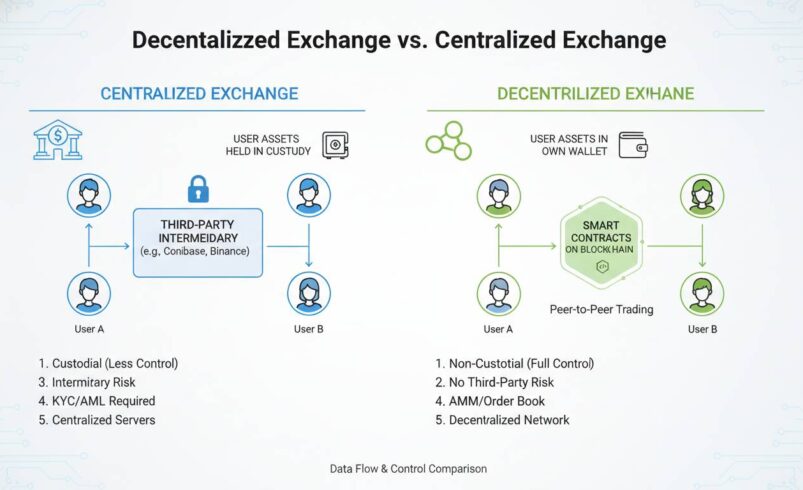
A decentralized exchange is a peer-to-peer marketplace that enables cryptocurrency trades directly between users without the involvement of a central authority or intermediary. Unlike centralized exchanges such as CoinDCX or WazirX, where you deposit funds into the platform’s wallets, DEX users trade directly from their personal wallets.
The core innovation lies in automated liquidity pools and smart contracts. When you trade on a DEX like Uniswap or Raydium, you interact with smart contracts that automatically execute trades based on predetermined algorithms. Your funds never leave your wallet until the moment of the trade, and they return directly to your wallet afterward.
The distinction matters fundamentally: centralized exchanges hold your private keys (and therefore your funds), while decentralized exchanges never take custody. This architectural difference has profound implications for security, privacy, and financial autonomy.
How Decentralized Exchanges Work
Understanding the technical mechanics helps you appreciate why DEX platforms have gained such significant adoption worldwide. The system operates through three primary mechanisms.
Automated Market Makers (AMM)
Most modern DEX platforms use an Automated Market Maker model, which replaces the traditional order book with liquidity pools. Here’s how it functions.
Liquidity providers deposit pairs of tokens into smart contracts, creating pools such as ETH/USDT or SOL/INR. When traders want to swap tokens, they interact with these pools rather than matching with another trader. The AMM algorithm automatically calculates the exchange rate based on the ratio of tokens in the pool and current market demand.
This mechanism eliminates the need for buyers and sellers to be simultaneously online and actively matching orders. Trading happens instantaneously, 24 hours a day, regardless of market depth.
Liquidity Pools and Yield Farming
Liquidity providers earn fees from every trade executed through their pool. On platforms like Uniswap, these fees typically amount to 0.3% per swap, distributed proportionally among all liquidity providers in that pool.
Advanced users engage in yield farming—strategically moving liquidity between different pools or platforms to maximize returns. While potentially profitable, yield farming carries smart contract risk and impermanent loss, concepts we’ll explore later in this guide.
Cross-Chain Bridges
Many DEX platforms now support cross-chain trading through bridge protocols. These bridges allow you to swap tokens between different blockchain networks without going through centralized conversion services. For Indian users, this means direct access to tokens on Ethereum, Solana, Polygon, Arbitrum, and dozens of other networks—all from a single interface.
Key Advantages of Using Decentralized Exchanges
The benefits of DEX trading extend beyond philosophical ideals about decentralization. Practical advantages make these platforms increasingly attractive for Indian traders.
Enhanced Security and Reduced Counterparty Risk
Centralized exchanges remain prime targets for hackers. The collapse of FTX in 2022 demonstrated the catastrophic risks of trusting exchanges with user funds. When you store assets on a centralized platform, you expose yourself to exchange insolvency, hacking, or operational failure.
With DEX platforms, your assets remain in your wallet. Even if the DEX protocol itself were compromised, your funds cannot be stolen because they never leave your custody. The only way to lose money is through signing malicious transactions—which requires user error rather than platform failure.
Privacy and Reduced KYC Burden
Indian centralized exchanges require extensive Know Your Customer (KYC) documentation, including Aadhaar verification, PAN card details, and bank account linking. While these requirements exist for regulatory compliance, they create privacy concerns and become barriers to entry.
Most DEX platforms require no identification whatsoever. You connect your wallet and trade immediately. This privacy-first approach appeals to users who prefer financial confidentiality or wish to avoid sharing sensitive personal data.
Global Access and Token Variety
Centralized exchanges list only tokens that pass their listing review processes—often expensive and politically complex procedures. DEX platforms allow anyone to create liquidity pools for any token, giving traders immediate access to new projects, meme coins, and emerging protocols often before they reach centralized listings.
For early adopters and traders seeking alpha, this represents a significant advantage. You can trade newly launched tokens minutes after they deploy, without waiting for exchange approval.
Risks and Challenges of DEX Trading
Transparency requires acknowledging that decentralized exchanges carry their own unique risks. Understanding these challenges helps you trade more safely.
Smart Contract Vulnerability
DEX protocols rely on smart contracts—self-executing code that cannot be modified once deployed. While audits and bug bounty programs help identify vulnerabilities, smart contract exploits still occur. The Ronin Network hack (2022) resulted in approximately $620 million in losses, while the Wormhole bridge hack (2022) lost $320 million.
Indian traders should research protocol security history, audit reports, and team backgrounds before providing liquidity or executing large trades on newer platforms.
Impermanent Loss
When you provide liquidity to a DEX pool, you face the risk of impermanent loss—a phenomenon where the value of your deposited tokens changes compared to simply holding them. If one token in the pool appreciates significantly while the other remains flat or declines, you may end up with less value than if you had held the tokens separately.
This risk increases with volatility. liquidity providers in stablecoin pairs (like USDC/USDT) face minimal impermanent loss, while pairs with high price variance (like a new token paired with ETH) carry substantial risk.
User Error and Security Responsibility
Centralized exchanges handle technical complexities for users. Forgotten passwords can be reset. Lost two-factor authentication can be recovered. On DEX platforms, if you lose access to your wallet seed phrase, your funds are permanently unrecoverable. If you sign a malicious transaction, you can immediately lose all assets.
The responsibility placed on users is significant. Those unfamiliar with wallet security, phishing prevention, and transaction verification should educate themselves thoroughly before using DEX platforms.
India’s Regulatory Landscape for DEX Trading
Indian cryptocurrency regulations continue evolving, and understanding the legal framework helps you navigate DEX usage responsibly.
The Supreme Court struck down the Reserve Bank of India’s banking ban on cryptocurrency in 2020, permitting crypto trading in India. However, regulatory uncertainty persists. The government has proposed taxation rules requiring 1% TDS on crypto transactions and 30% capital gains tax on profits.
Notably, these tax rules apply to cryptocurrency transactions broadly, whether on centralized or decentralized platforms. The 1% TDS provision has created particular challenges for DEX users, as peer-to-peer transactions can trigger tax withholding requirements.
Decentralized exchanges present unique regulatory questions because they have no Indian presence or entity. While using global DEX platforms remains technically legal, consider consulting with a tax professional regarding your specific situation. The regulatory environment may change, and staying informed protects your long-term interests.
Getting Started with Decentralized Exchanges in India
Practical steps to begin trading on DEX platforms safely.
Step 1: Set Up a Secure Wallet
You’ll need a cryptocurrency wallet that supports the blockchain networks where DEX platforms operate. MetaMask remains the most popular option, supporting Ethereum, Polygon, Arbitrum, and numerous other networks. ForSolana-based DEX platforms, Phantom or Solflare wallets provide better integration.
Download wallet extensions only from official sources (metamask.io, phantom.app). Verify the website URL carefully—phishing sites frequently target crypto users.
Step 2: Acquire Base Network Tokens
To trade on a DEX, you’ll need the native token of the blockchain where the DEX operates. For Ethereum-based DEX platforms like Uniswap, you’ll need ETH for gas fees. For Polygon trading, you’ll need MATIC. These tokens also typically serve as one side of your liquidity provision if desired.
You can purchase these tokens on Indian centralized exchanges (CoinDCX, WazirX, ZebPay) and transfer them to your personal wallet. Start with small amounts to understand the transfer process.
Step 3: Connect Wallet and Trade
Visit your chosen DEX platform—Uniswap, Raydium, Orca, or PancakeSwap—and click “Connect Wallet.” Your wallet will prompt you to approve the connection. Once connected, you can swap tokens directly from the interface.
Always verify transaction details before confirming. Check the token addresses carefully—scammers create tokens with similar names to trick users. Use tools like Etherscan or Solscan to verify contract addresses before trading unknown tokens.
Best Practices for Safe DEX Trading
Protecting yourself requires implementing specific security habits.
Verify every transaction: Always confirm token addresses match official sources. Scammers create tokens with identical names to popular projects. Copy addresses from official project websites or Etherscan, never from social media or chat groups.
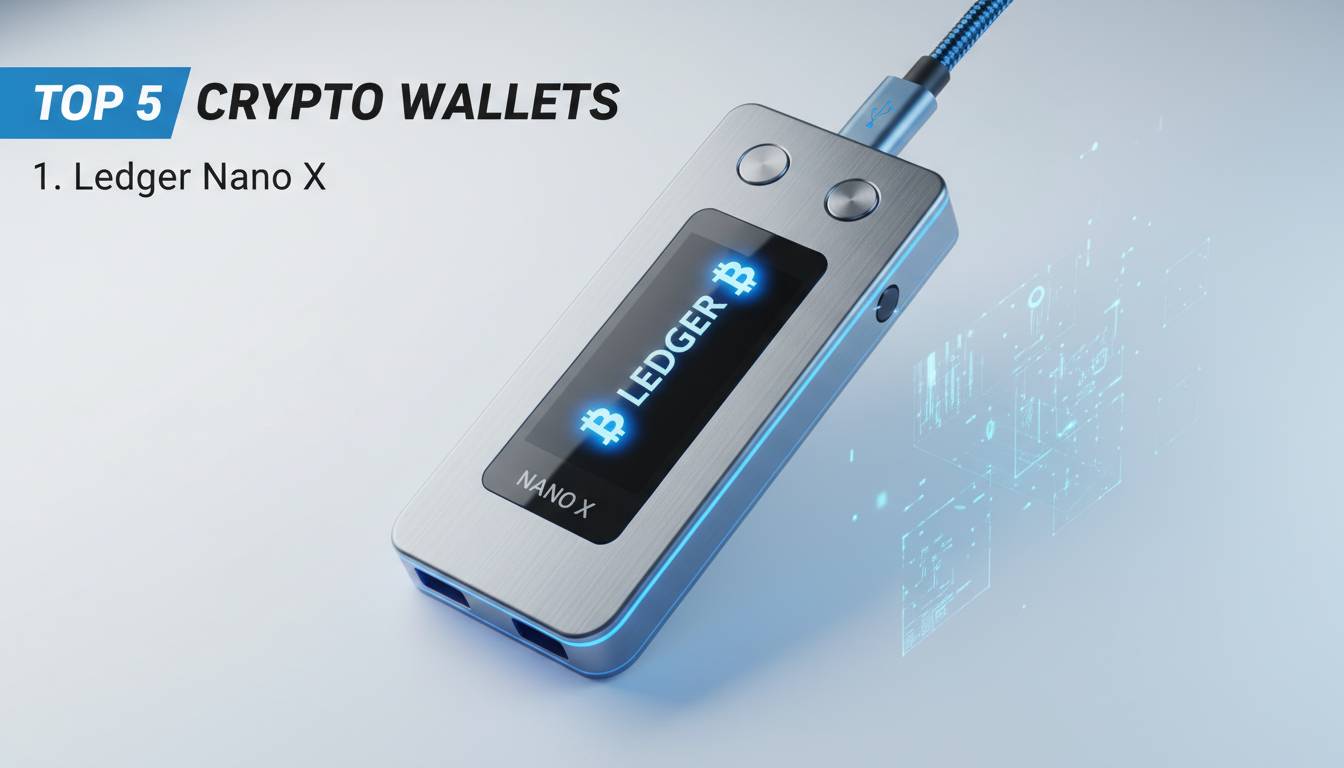
Use hardware wallets for significant holdings: Software wallets (MetaMask, Phantom) suffice for trading, but hardware wallets (Ledger, Trezor) provide superior security for substantial holdings. Your private keys never leave the device, protecting against keyloggers and malware.
Start with small transactions: When trying a new protocol or trading a new token, execute a small test transaction first. This practice limits potential loss if something goes wrong.
Keep your seed phrase offline: Never store your 12 or 24-word seed phrase digitally. Write it on paper and store it securely. Anyone with your seed phrase has complete access to your wallet and all funds.
Disconnect after trading: Many users leave wallets connected indefinitely. Disconnecting after completing transactions reduces exposure to potential protocol vulnerabilities or unauthorized access.
Top Decentralized Exchanges by Platform
Several DEX platforms have established strong track records and significant trading volume.
| Platform | Network | Best For | Annual Trading Volume |
|---|---|---|---|
| Uniswap | Ethereum, Arbitrum, Optimism | ERC-20 tokens, DeFi ecosystem | $150B+ |
| Raydium | Solana | Speed, low fees | $50B+ |
| Orca | Solana | User-friendly interface | $15B+ |
| PancakeSwap | BNB Chain | Low fees, Binance ecosystem | $40B+ |
| Jupiter | Solana | Aggregator, best rates | $60B+ |
For Indian users, Solana-based DEX platforms often provide the best experience due to low transaction fees (typically $0.00025 per swap) and fast confirmation times. Ethereum-based platforms offer deeper liquidity and more token options but charge higher gas fees during network congestion.
The Future of Decentralized Trading
The DEX ecosystem continues evolving rapidly. Several trends shape its future trajectory.
Concentrated liquidity: New AMM designs allow liquidity providers to concentrate their funds within specific price ranges, increasing capital efficiency. This innovation reduces costs for traders and improves returns for liquidity providers.
Intent-based trading: Emerging protocols allow users to express their trading intent (e.g., “I want to swap X for Y at Z price”) rather than executing direct swaps. solvers then compete to fill these intents at the best prices, potentially offering better execution than direct AMM trading.
Hybrid models: Some platforms combine elements of centralized and decentralized models, offering off-chain order matching with on-chain settlement. These hybrid approaches aim to reduce gas costs and improve user experience while maintaining some decentralization benefits.
For Indian traders, these developments suggest that DEX technology will continue improving, potentially addressing current limitations around user experience and transaction costs.
Frequently Asked Questions
Is using a decentralized exchange legal in India?
Currently, using DEX platforms is not explicitly illegal in India. The 2020 Supreme Court ruling struck down RBI’s banking ban, permitting cryptocurrency activities. However, regulatory clarity remains limited, and tax obligations (1% TDS, 30% capital gains) apply to all crypto transactions. Consult with a tax professional to ensure compliance with current requirements.
Do I need to complete KYC to use a DEX?
No, decentralized exchanges do not require identity verification. You connect your cryptocurrency wallet directly and trade without providing personal information. This privacy benefit contrasts sharply with centralized Indian exchanges that require extensive KYC documentation.
Can I trade Indian Rupee (INR) on DEX platforms?
DEX platforms don’t typically support direct INR trading pairs. You’ll need to purchase base tokens (ETH, SOL, MATIC) on a centralized Indian exchange using INR, transfer them to your personal wallet, then use those tokens to trade on DEX platforms. Some aggregators now support fiat on-ramps, but options remain limited.
What happens if I lose access to my wallet on a DEX?
Unlike centralized exchanges with customer support, DEX platforms cannot recover your account. If you lose your wallet seed phrase, you lose all funds permanently. This underscores the critical importance of securely backing up your seed phrase offline. Hardware wallets provide additional security layers for significant holdings.
Are DEX transactions reversible?
No, all DEX transactions are final and irreversible on the blockchain. Once a transaction confirms, it cannot be reversed or refunded. Always double-check recipient addresses, token addresses, and transaction amounts before confirming. There is no “undo” button or customer support to recover mistakenly sent funds.
Which DEX is best for beginners in India?
For beginners, Solana-based platforms like Orca or Raydium offer the best balance of low costs, fast transactions, and intuitive interfaces. MetaMask combined with a small amount of SOL provides an accessible starting point. Start with small test transactions to understand the process before committing larger amounts.
Conclusion
Decentralized exchanges represent a paradigm shift in cryptocurrency trading—one that prioritizes user sovereignty, reduces counterparty risk, and enables global financial access. For Indian traders, understanding DEX technology provides valuable optionality in an evolving regulatory landscape.
The advantages are compelling: enhanced security through non-custodial design, privacy without KYC requirements, and access to global token markets. However, these benefits come with genuine responsibilities. Users must understand wallet security, verify transactions carefully, and accept full responsibility for their trading decisions.
Start gradually. Set up a secure wallet, acquire a small amount of base tokens, and experiment with small trades on established platforms. As your understanding develops, you can explore more advanced strategies like liquidity provision or yield farming.
The future of finance is increasingly decentralized. Those who understand these technologies now will be better positioned to navigate the financial landscape of tomorrow.