
Bitcoin remains the world’s dominant cryptocurrency, capturing significant attention from Indian investors seeking to understand current market conditions. As the first and most valuable digital asset by market capitalization, Bitcoin serves as both a store of value and a gateway to the broader cryptocurrency ecosystem. Understanding Bitcoin’s price dynamics, market factors, and investment considerations is essential for anyone looking to participate in India’s growing crypto market.
This comprehensive guide provides Indian investors with current market insights, practical analysis, and actionable information for navigating Bitcoin investments in 2024-2025.
📊 KEY BITCOIN STATS
• Market Cap: ~$1.8 trillion (2024)
• Dominance: 52-55% of total crypto market
• Indian Crypto Users: 15-20 million active traders
• Daily Trading Volume: $40-60 billion globally
Key Takeaways
• Bitcoin price is determined by global supply-demand dynamics, institutional adoption, and regulatory developments
• Indian exchanges facilitate INR-to-BTC trading with multiple payment options
• Bitcoin operates on a deflationary model with maximum supply capped at 21 million coins
• Regulatory clarity in India has improved following the 2020 Supreme Court judgment
• Dollar-cost averaging remains a popular strategy among Indian retail investors
What is Bitcoin?
Bitcoin is a decentralized digital currency created in 2009 by an unknown person or group using the name Satoshi Nakamoto. It operates on a peer-to-peer network without requiring intermediaries like banks or governments. Transactions are recorded on a distributed ledger called the blockchain, ensuring transparency and immutability.
Core Components
Blockchain Technology:
Bitcoin uses proof-of-work consensus, where miners solve complex mathematical puzzles to validate transactions and secure the network. This process creates new bitcoins while maintaining network security. Each block contains transaction data, a timestamp, and a cryptographic hash linking it to the previous block.
Limited Supply:
Bitcoin’s protocol caps the total supply at 21 million coins, making it inherently deflationary. Approximately 19.6 million bitcoins are already in circulation, with the remaining coins released through mining rewards that halve approximately every four years.
Decentralization:
No single entity controls Bitcoin. The network operates across thousands of nodes worldwide, making it resistant to censorship and government interference. This decentralization is a core philosophical principle underlying Bitcoin’s design.
💡 STAT: Bitcoin’s block reward halving events historically correlate with significant price movements over subsequent 12-18 month periods (Historical analysis, not prediction).
How Bitcoin Transactions Work
When someone sends bitcoins, the transaction is broadcast to the network and gathered with other pending transactions into a mempool. Miners select transactions and attempt to solve the proof-of-work puzzle. Once a miner solves it, the block is added to the blockchain, and the transaction is confirmed. Typically, exchanges consider transactions with 6 confirmations (approximately 60 minutes) as fully settled.
Factors Affecting Bitcoin Price
Bitcoin’s price fluctuates based on multiple interconnected factors that investors must understand before making investment decisions.
Supply and Demand Dynamics
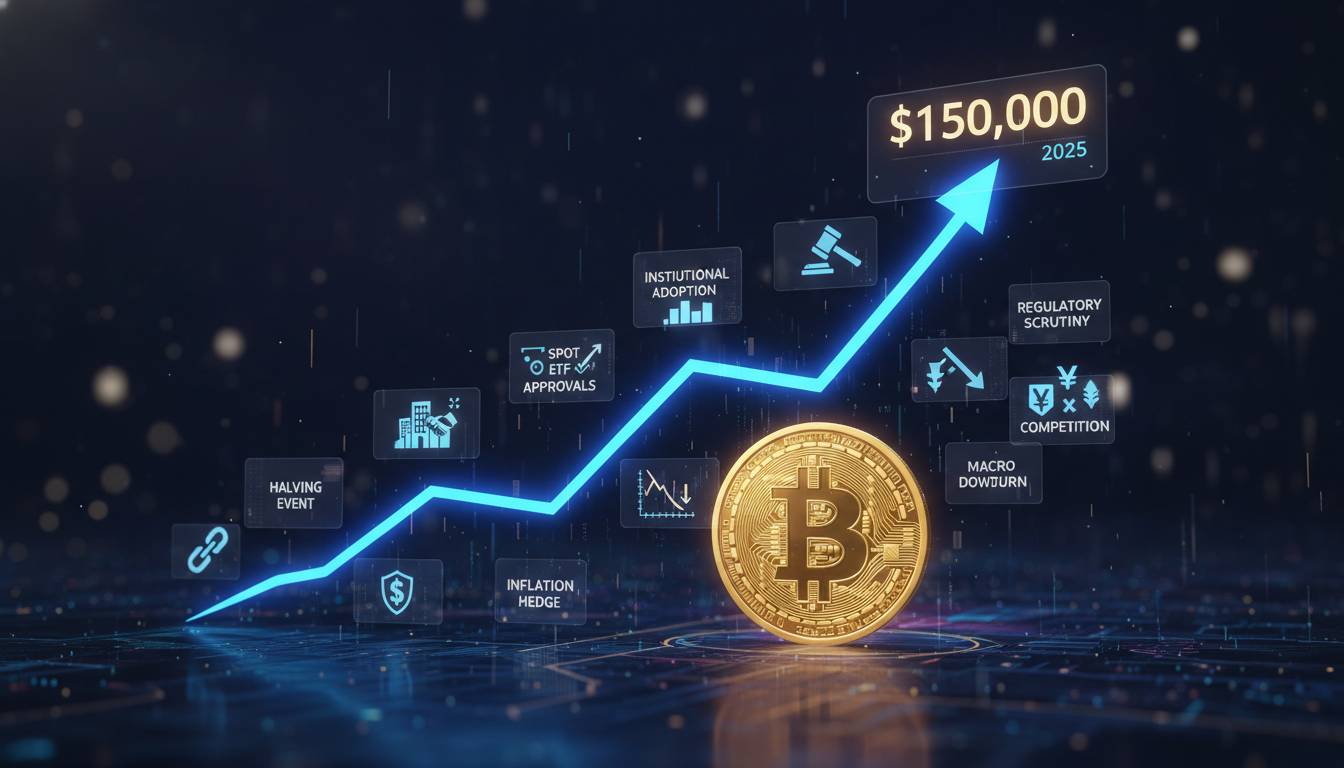
The fixed supply of 21 million bitcoins creates inherent scarcity. When demand increases while supply remains constrained, prices tend to rise. The halving events reduce the rate of new bitcoin creation, historically creating supply shocks that impact pricing.
Institutional Adoption
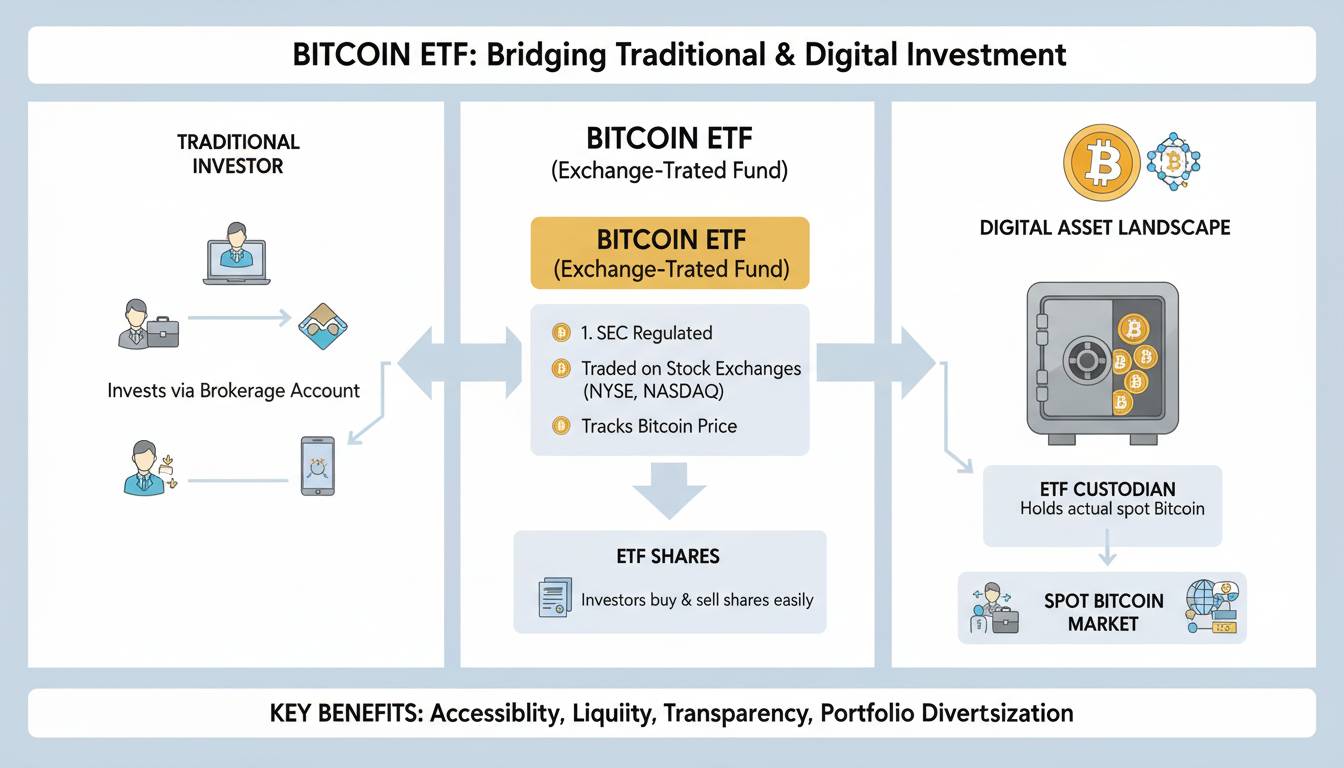
Major financial institutions including BlackRock, Fidelity, and various pension funds have allocated portions of their portfolios to Bitcoin through spot ETFs and direct holdings. This institutional adoption brings substantial capital and legitimacy to the asset class, influencing price discovery and market stability.
Regulatory Environment
Regulatory announcements significantly impact Bitcoin prices. India’s Supreme Court reversed the Reserve Bank of India’s banking ban on cryptocurrency in 2020, enabling widespread crypto trading. Clarity on taxation rules (with 30% tax on crypto gains introduced in India) has also shaped market behavior.
Macroeconomic Factors
Bitcoin often correlates with inflation expectations and monetary policy. During periods of quantitative easing or high inflation, some investors view Bitcoin as an inflation hedge. However, in 2022-2023, Bitcoin demonstrated correlation with tech stocks and risk assets during rate-hike cycles.
| Factor | Impact Direction | Influence Level |
|---|---|---|
| Institutional Adoption | Positive | High |
| Regulatory Clarity | Positive | High |
| Halving Events | Positive (medium-term) | Medium |
| Macroeconomic Uncertainty | Variable | Medium-High |
| Market Sentiment | Variable | High |
Bitcoin in India: Market Overview
India has emerged as one of the largest cryptocurrency markets globally, with millions of active traders participating in the ecosystem.
Market Size and Growth
The Indian cryptocurrency market has experienced substantial growth since the 2020 regulatory clarity. Major exchanges including CoinDCX, WazirX, ZebPay, and CoinSwitch report combined user bases exceeding 20 million. Trading volume in INR pairs represents a significant portion of global Bitcoin trading.
Payment Infrastructure
Indian users can purchase Bitcoin through multiple payment methods:
• Bank transfers (IMPS/NEFT/RTGS)
• UPI instant payments
• Debit/credit cards
• Peer-to-peer (P2P) trading
• Digital wallets
The availability of UPI integration on major exchanges has significantly lowered barriers to entry for Indian users seeking to invest in Bitcoin.
Regulatory Framework
India has implemented a 30% tax on cryptocurrency gains, along with a 1% tax deducted at source (TDS) on crypto transactions. While these regulations have drawn criticism from industry participants, they have provided legal certainty for cryptocurrency trading and investment activities.
📈 CASE: CoinDCX, India’s largest crypto exchange, achieved unicorn status in 2021 with a $1.1 billion valuation, reflecting the country’s growing crypto ecosystem.
How to Buy Bitcoin in India
Indian investors have several options for purchasing Bitcoin, each with different fee structures, security levels, and convenience factors.
Prerequisites
- [ ] Valid identity verification (Aadhaar/PAN)
- [ ] Active bank account
- [ ] KYC-compliant exchange account
- [ ] Basic understanding of wallet security
Time: 1-3 days for account verification | Cost: 0-1% transaction fee
Steps
1. Choose a Reputable Exchange
Select an exchange licensed to operate in India. Consider factors including:
– Security features (cold storage, two-factor authentication)
– Fee structure (trading fees, withdrawal charges)
– Liquidity (ease of buying/selling)
– Customer support quality
2. Complete KYC Verification
Submit identity documents including PAN card and Aadhaar or passport. Verification typically completes within 24-72 hours on major exchanges.
3. Fund Your Account
Deposit Indian Rupees through available payment methods. UPI transfers offer instant funding, while bank transfers may take 1-2 business days.
⏱ UPI deposits are typically instant | 💡 Tip: Some exchanges offer zero-deposit fees for UPI transfers
4. Place Your Order
Navigate to the BTC/INR trading pair. You can place:
– Market orders (instant execution at current price)
– Limit orders (execution when price reaches your target)
– Stop-loss orders (automatic sale at predetermined price)
5. Secure Your Holdings
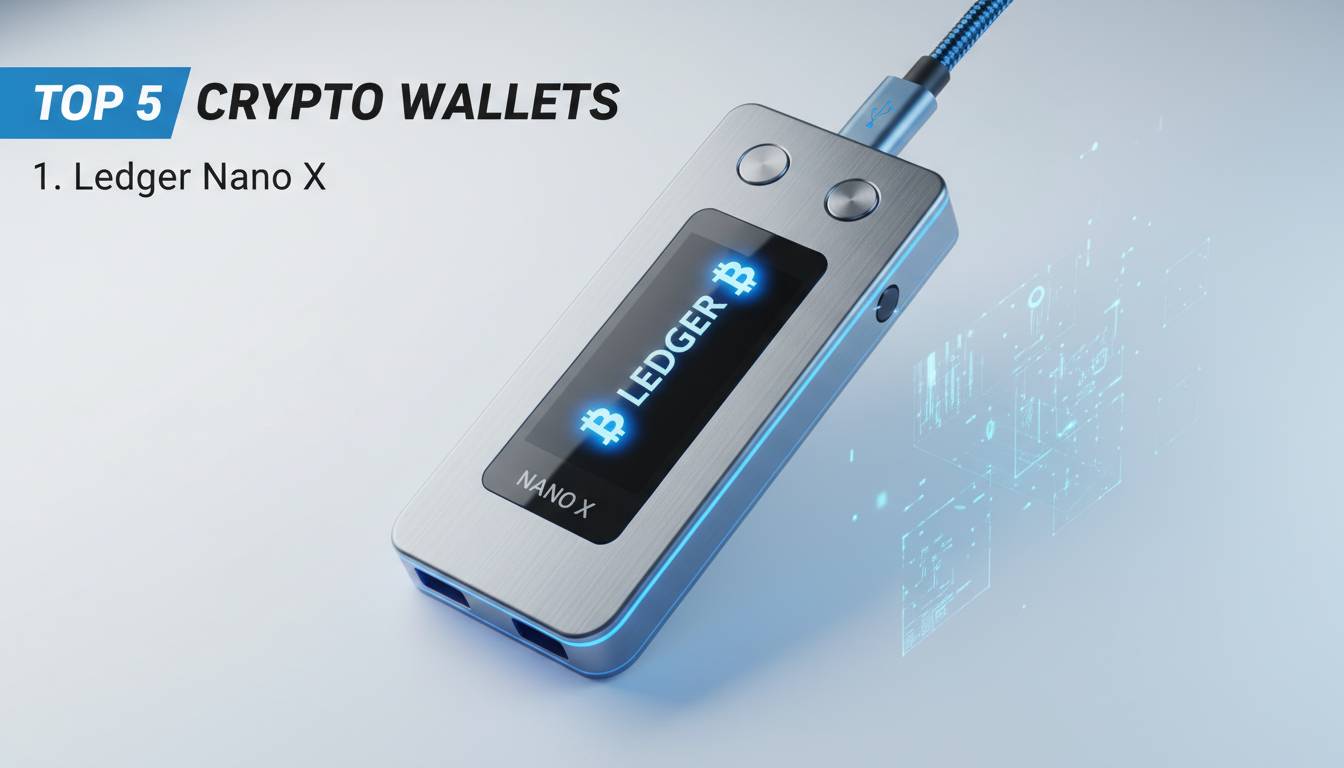
For larger holdings, consider transferring bitcoins to a personal wallet rather than keeping them on the exchange. Hardware wallets provide the highest security.
⚠️ Avoid: Leaving large amounts on exchange wallets → Fix: Use hardware wallet for holdings exceeding ₹50,000
6. Track and Manage
Monitor your investment through portfolio tracking tools. Consider dollar-cost averaging rather than lump-sum investments to reduce timing risk.
Buying Options Comparison
| Method | Fees | Speed | Best For |
|---|---|---|---|
| Spot Exchange | 0.1-0.5% | Instant | Regular investors |
| P2P Trading | 0-0.2% | Variable | Privacy-conscious |
| Crypto ETFs | 0.5-1% | T+1 | Institutional exposure |
Common Bitcoin Investment Mistakes
Avoiding these frequent errors can significantly improve investment outcomes for Indian Bitcoin holders.
| Mistake | Impact | Solution |
|---|---|---|
| FOMO Buying | 📉 Buying at market peaks | Stick to predetermined investment plan |
| Ignoring Security | 📉 Loss of funds | Use hardware wallets, enable 2FA |
| Overexposure | 📉 Portfolio risk | Limit crypto to 5-10% of portfolio |
| Ignoring Taxes | 📉 Legal consequences | Maintain transaction records |
| Panic Selling | 📉 Locking in losses | Dollar-cost averaging strategy |
⚠️ CRITICAL: Never invest more than you can afford to lose. Bitcoin’s volatility can result in significant short-term losses. The 2022 market saw Bitcoin decline over 60% from its all-time high.
Prevent:
1. Only invest discretionary income
2. Maintain emergency funds before crypto investments
3. Understand your risk tolerance
4. Diversify across asset classes
Expert Insights
👤 Raj Chowdhury, CEO at Transact365
“Indian investors should prioritize security and regulatory compliance when entering the crypto market. Choosing registered exchanges and maintaining personal wallet security are non-negotiable practices.”
👤 Nithin Kamath, Founder at Zerodha (on crypto)
“Investors should understand that cryptocurrencies remain highly speculative. The lack of fundamental valuation methods makes price discovery challenging compared to traditional assets.”
📊 BENCHMARKS
| Metric | Average Indian Investor | Experienced Trader |
|——–|————————-|——————-|
| Portfolio Allocation | 2-5% crypto | 10-20% crypto |
| Holding Period | 3-6 months | 1-3 years |
| Transaction Frequency | Weekly | Monthly/Quarterly |
Tools and Platforms
Indian investors can access Bitcoin through various platforms with different fee structures and features.
| Platform | Type | Fee | Rating |
|---|---|---|---|
| CoinDCX | Exchange | 0.1-0.2% | ⭐⭐⭐⭐⭐ |
| CoinSwitch | Broker | 0.5-1% | ⭐⭐⭐⭐ |
| WazirX | Exchange | 0.2-0.4% | ⭐⭐⭐⭐ |
| ZebPay | Exchange | 0.15-0.35% | ⭐⭐⭐⭐ |
| Unocoin | Exchange | 0.1-0.3% | ⭐⭐⭐ |
Top Recommendations:
• CoinDCX: Best for active traders with low fees
• CoinSwitch: Best for beginners seeking simplicity
• WazirX: Best for those prioritizing extensive coin selection
Frequently Asked Questions
Q1: What is Bitcoin’s current price in India?
Bitcoin prices in India fluctuate continuously based on global rates. The INR price typically trades at a slight premium (1-3%) over USD rates due to import costs and market dynamics. Check real-time rates on major Indian exchanges like CoinDCX, CoinSwitch, or WazirX for current pricing.
Q2: Is Bitcoin legal in India?
Yes, Bitcoin is legal in India following the Supreme Court’s 2020 judgment that overturned the Reserve Bank of India’s banking ban. The government has implemented taxation rules (30% capital gains tax and 1% TDS) to regulate cryptocurrency transactions.
Q3: How much should I invest in Bitcoin?
Financial experts recommend investing only what you can afford to lose. For most Indian investors, limiting cryptocurrency exposure to 5-10% of total portfolio is advisable. Dollar-cost averaging—investing fixed amounts regularly—helps reduce timing risk.
Q4: Which is the best Bitcoin exchange in India?
CoinDCX, CoinSwitch, WazirX, and ZebPay are among the most popular options. The “best” exchange depends on your needs: CoinDCX offers lower fees for active traders, while CoinSwitch provides simplicity for beginners.
Q5: Does Bitcoin work on UPI?
Several Indian exchanges now support UPI payments for buying Bitcoin and other cryptocurrencies. This enables instant INR deposits, making it easier for Indian users to enter the market quickly.
Q6: What is the minimum amount to invest in Bitcoin?
You can buy fractional Bitcoin on most Indian exchanges. The minimum investment typically starts at as little as ₹100, allowing new investors to start with minimal capital while learning about the market.
Conclusion
Bitcoin remains a significant asset class for Indian investors seeking portfolio diversification and exposure to digital assets. Understanding the fundamental factors driving Bitcoin’s price—supply dynamics, institutional adoption, regulatory developments, and macroeconomic conditions—provides the foundation for informed investment decisions.
The Indian cryptocurrency ecosystem has matured considerably since the 2020 regulatory clarity, with multiple licensed exchanges offering secure trading infrastructure. For those considering Bitcoin investment, a measured approach emphasizing security, diversification, and long-term perspective serves investors better than speculative trading.
Remember that cryptocurrency investments carry substantial risk due to volatility. Only invest capital you can afford to lose, maintain proper security practices, and consider consulting financial advisors before making significant investment decisions. Stay informed, remain patient, and make decisions based on thorough research rather than short-term market movements.
The cryptocurrency market continues evolving, and Indian investors who approach it with knowledge and caution are best positioned to navigate both opportunities and challenges in this dynamic asset class.