

The cryptocurrency investment landscape in India stands at a pivotal moment as investors eagerly anticipate clarity on the Ethereum spot ETF approval date. With global markets closely watching the United States Securities and Exchange Commission’s (SEC) decisions, Indian investors are particularly interested in how these regulatory developments could reshape their investment opportunities. The potential approval of Ethereum spot ETFs represents a significant milestone that could bridge traditional finance with the growing digital asset ecosystem, offering Indian investors new avenues for portfolio diversification.
Understanding Ethereum Spot ETFs
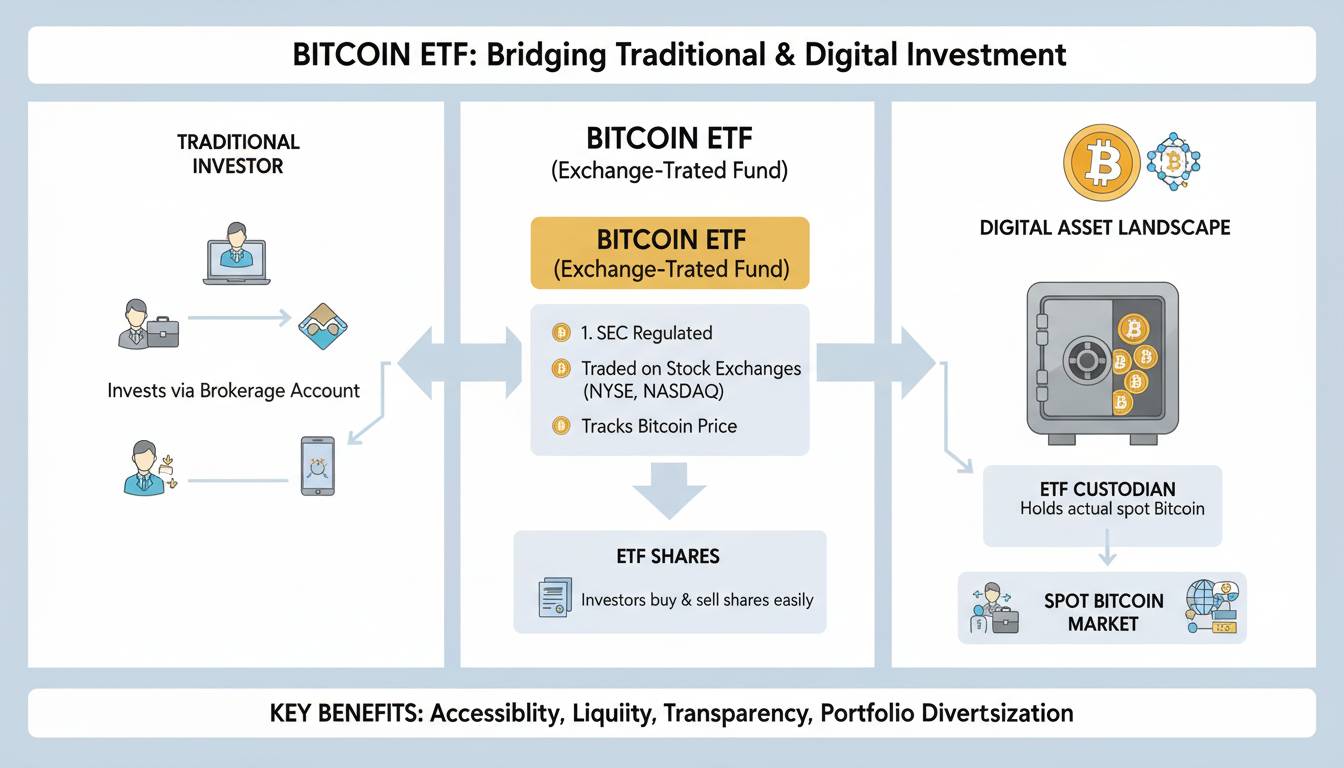
An Ethereum spot ETF is an exchange-traded fund that directly holds Ethereum (ETH) as its underlying asset, allowing investors to gain exposure to the cryptocurrency without actually purchasing and managing it themselves. Unlike futures-based ETFs, which derive value from derivative contracts, spot ETFs purchase and hold actual Ethereum, making them more closely tied to the real-time market price of the cryptocurrency. This fundamental distinction has made spot ETFs highly desirable among institutional and retail investors seeking direct exposure to digital assets.
The mechanism works similarly to traditional commodity ETFs, where the fund manager acquires and holds the actual asset in secure custody while issuing shares that trade on traditional stock exchanges. For Indian investors, this structure offers several advantages, including simplified tax reporting, access through existing demat accounts, and the ability to invest through familiar brokerage platforms. The regulatory framework surrounding such products determines their accessibility and the level of investor protection they provide.
Current Status of Ethereum Spot ETF Approvals
As of early 2025, the most significant development regarding the Ethereum spot ETF approval date occurred in May 2024 when the SEC granted approval for multiple Ethereum spot ETFs to begin trading. This landmark decision followed years of deliberation and represented a shift from the commission’s historically cautious approach toward cryptocurrency products. The approval allowed major asset managers including BlackRock, Fidelity, and several other established financial institutions to launch their Ethereum spot ETF offerings.
The initial approvals came after the SEC had previously delayed numerous ETF applications, causing considerable uncertainty in the market. The change in regulatory stance surprised many analysts who had predicted further delays. The SEC’s approval was largely attributed to the maturation of the cryptocurrency market, improved custody solutions, and the successful precedent set by Bitcoin spot ETFs, which had received approval earlier in 2024. These developments have created a framework that Indian regulators may consider when evaluating similar products for domestic markets.
India’s Regulatory Landscape for Crypto Investments
India has taken a distinctive approach to cryptocurrency regulation, balancing innovation promotion with investor protection concerns. The Reserve Bank of India (RBI) and Securities and Exchange Board of India (SEBI) have both played roles in shaping the regulatory environment. While cryptocurrency trading is legal in India, the regulatory framework continues to evolve, creating uncertainty around products like Ethereum spot ETFs.
The Income Tax Department has implemented taxation rules for virtual digital assets, including a 30% tax on cryptocurrency gains and a 1% tax deduction at source on transactions above certain thresholds. These tax provisions have significantly impacted trading volumes in the Indian crypto market. Regarding ETFs specifically, SEBI regulates exchange-traded products in India, and any Ethereum spot ETF would require approval from the market regulator before being offered to Indian investors.
Financial experts suggest that India may eventually allow cryptocurrency ETFs once the global regulatory framework becomes more established. According to market analysts at Zebrium, a leading Indian cryptocurrency exchange, “The approval of Ethereum spot ETFs in the US creates a precedent that Indian regulators may follow. However, any such product would need significant modifications to comply with India’s specific tax and regulatory requirements.” This sentiment reflects the broader expectation that Indian investors may need to wait longer for domestically regulated Ethereum spot ETFs.
Impact on Indian Investors and Market Dynamics
The potential introduction of Ethereum spot ETFs could transform how Indian investors access cryptocurrency markets. Currently, most Indian investors interested in Ethereum must navigate cryptocurrency exchanges, which operate in a somewhat uncertain regulatory environment. An approved ETF would provide a familiar investment vehicle that aligns with traditional investment practices and offers potential tax efficiencies compared to direct cryptocurrency holdings.
The impact on market liquidity and price discovery could be substantial. Historical data from Bitcoin spot ETF approvals shows significant increases in institutional participation and overall market capitalization. Indian institutional investors, currently restricted in their cryptocurrency investments, might gain easier access to Ethereum through regulated ETF products. This could introduce substantial capital flows into the Ethereum ecosystem while providing retail investors with a more secure investment option.
However, challenges remain significant. The tax treatment of ETF gains in India differs from direct cryptocurrency holdings, and investors must understand these distinctions. Additionally, the availability of US-listed Ethereum spot ETFs to Indian investors depends on whether domestic brokers offer access to international markets and whether such investments comply with foreign exchange regulations.
Global Market Influence and Future Projections
The interconnected nature of cryptocurrency markets means that developments in the US significantly impact prices and investor sentiment worldwide. Ethereum’s price has shown strong correlation with ETF approval news, demonstrating the market’s sensitivity to regulatory decisions. For Indian investors, this global correlation means that staying informed about international regulatory developments becomes essential for making investment decisions.
Looking ahead, several factors could influence the timeline for Ethereum spot ETF availability in India. These include the evolution of global regulatory standards, the establishment of clearer Indian regulatory frameworks, and the demonstrated performance of existing spot ETFs in global markets. Analysts predict that if US-based Ethereum spot ETFs demonstrate sustained performance and robust investor protection measures, Indian regulators may become more receptive to similar products.
The cryptocurrency market continues to evolve rapidly, with institutional adoption accelerating globally. Major financial institutions are increasingly offering cryptocurrency services, and regulatory frameworks are gradually taking shape across major economies. For India, this global movement suggests that regulatory clarity may emerge within the next few years, potentially opening doors for Ethereum spot ETFs and other innovative financial products.
Investment Considerations for Indian Participants
Indian investors considering exposure to Ethereum through various mechanisms should carefully evaluate their options and understand the associated risks. Direct cryptocurrency investment offers maximum flexibility but requires secure storage solutions and thorough understanding of tax implications. International brokerage accounts may provide access to US-listed Ethereum spot ETFs, though investors must comply with regulatory requirements and understand currency exchange considerations.
Risk management remains crucial in the volatile cryptocurrency market. Ethereum’s price can experience significant fluctuations based on market sentiment, regulatory news, and technological developments. Investors should allocate only capital they can afford to lose and maintain diversified portfolios that align with their risk tolerance and investment objectives.
Professional financial advice becomes particularly valuable given the complex regulatory landscape. Tax implications differ substantially between direct cryptocurrency holdings and ETF investments, and these differences can significantly impact net returns. Working with qualified financial advisors who understand both traditional and digital asset investments can help Indian investors navigate these complexities effectively.
Conclusion
The Ethereum spot ETF approval date represents a significant milestone in the mainstream adoption of cryptocurrency investments. While US regulatory bodies have moved forward with approvals, Indian investors continue to await clarity on when similar products might be available domestically. The developments in global markets, particularly the successful launch of Ethereum spot ETFs in the United States, provide important precedents that may influence Indian regulatory decisions.
For now, Indian investors have multiple pathways to gain Ethereum exposure, each with distinct advantages and considerations. Staying informed about regulatory developments, understanding tax implications, and maintaining disciplined investment approaches will remain essential as the market continues to evolve. The coming years will likely bring increased clarity and potentially new investment opportunities as both global and Indian regulatory frameworks mature.
Frequently Asked Questions
When did the SEC approve Ethereum spot ETFs?
The SEC approved Ethereum spot ETFs in May 2024, allowing major asset managers including BlackRock and Fidelity to launch their products. This approval followed the earlier approval of Bitcoin spot ETFs in January 2024.
Can Indian investors buy US-listed Ethereum spot ETFs?
Yes, Indian investors can potentially access US-listed Ethereum spot ETFs through international brokerage accounts. However, they must comply with foreign exchange regulations and understand the tax implications of such investments.
Are Ethereum spot ETFs available in India currently?
As of early 2025, Ethereum spot ETFs are not available for trading on Indian stock exchanges. SEBI has not yet approved such products for domestic markets.
What is the difference between Ethereum spot ETFs and futures ETFs?
Spot ETFs hold actual Ethereum tokens, directly reflecting the current market price. Futures ETFs trade contracts that bet on future Ethereum prices, making their value derived from derivative instruments rather than direct asset ownership.
How are Ethereum spot ETF gains taxed in India?
Tax treatment depends on whether the ETF is held in India or abroad. Domestic ETF gains may qualify for capital gains tax treatment, while gains from foreign ETFs may have different implications. Investors should consult tax professionals for specific guidance.
What factors could speed up Ethereum spot ETF approval in India?
Increased global adoption of spot ETFs, clearer regulatory frameworks from SEBI and RBI, successful performance of US-listed products, and growing institutional demand could potentially accelerate India’s consideration of Ethereum spot ETFs.