

The cryptocurrency landscape in India has evolved dramatically in recent years, with millions of Indians now actively trading and holding digital assets. As we move through 2025, choosing the right crypto wallet has become more critical than ever. With increasing adoption, enhanced security threats, and shifting regulatory frameworks, Indian investors need wallets that offer a balance of security, usability, and compatibility with local payment systems. This comprehensive guide examines the best crypto wallets available for Indian users in 2025, analyzing key features, security protocols, and factors every investor should consider before making their choice.
What Defines the Best Crypto Wallet in 2025
The definition of an optimal crypto wallet has shifted significantly from previous years. In 2025, the best wallets must address several core requirements that have become non-negotiable for serious investors. First and foremost is security architecture. With cyber threats becoming more sophisticated, wallets now incorporate multi-signature authentication, hardware security module integration, and biometric verification as standard features rather than premium additions.
User experience has also emerged as a defining factor. The days of clunky interfaces and complicated onboarding processes are fading. Modern crypto wallets in 2025 offer streamlined KYC (Know Your Customer) integration, instant INR deposits through UPI and bank transfers, and intuitive dashboards that serve both novice and experienced traders. According to industry analysts at CoinDesk, wallets that reduced onboarding time by implementing automated verification saw user retention rates increase by 40% compared to competitors with longer verification processes.
Another critical dimension is multi-chain support. As the blockchain ecosystem expands beyond Bitcoin and Ethereum to include Polygon, Solana, Avalanche, and numerous other networks, wallet compatibility has become essential. The best wallets in 2025 support dozens of chains, enabling users to manage diverse portfolios from a single interface without needing multiple applications.
Cost considerations remain vital for Indian users specifically. Transaction fees, withdrawal charges, and conversion spreads can significantly impact returns, particularly for frequent traders. Wallets that offer competitive fee structures while maintaining robust security have gained substantial market share in India throughout 2024 and early 2025.
Top Crypto Wallets for Indian Users in 2025
The Indian market offers several wallets that have established strong reputations through consistent performance and user satisfaction. These options represent the leading choices across different categories.
CoinDCX has maintained its position as one of India’s largest cryptocurrency platforms, offering both custodial and non-custodial wallet solutions. The platform supports over 300 cryptocurrencies and provides instant INR deposits through UPI, IMPS, and bank transfers. CoinDCX’s security infrastructure includes cold storage for 95% of user funds, two-factor authentication, and insurance coverage for assets held in hot wallets. The platform reported serving over 20 million users as of early 2025, making it one of the most widely adopted options in the country.
WazirX continues to be a significant player following its acquisition by Binance, though its operations faced regulatory scrutiny in 2024. The wallet offers integration with the Binance ecosystem, providing access to extensive trading pairs and liquidity. For Indian users, WazirX maintains local payment integration including UPI and bank transfers, though users should stay informed about the current regulatory status of the platform.
ZebPay represents one of India’s oldest cryptocurrency exchanges, having operated since 2014. The wallet component offers multi-signature security, biometric login, and support for major cryptocurrencies. ZebPay has maintained compliance with Indian regulations and provides transparent fee structures, though its cryptocurrency selection is somewhat narrower than some competitors.
MetaMask remains the leading non-custodial wallet globally and enjoys strong adoption among Indian DeFi enthusiasts and NFT collectors. As a self-custody solution, MetaMask gives users complete control over their private keys while supporting connection to decentralized applications across multiple blockchains. The wallet’s browser extension and mobile app provide seamless integration with Ethereum, Polygon, BNB Chain, and numerous test networks. Indian users appreciate that MetaMask has no account verification requirements, though this also means recovering account access depends entirely on the user’s seed phrase security.
Coinbase Wallet has gained traction among Indian users seeking a reputable international option. The wallet supports a wide array of cryptocurrencies and provides straightforward integration with Coinbase’s exchange services. Security features include biometric authentication, cloud backup encryption, and device-level security measures. The primary consideration for Indian users is the relatively higher fees compared to local exchanges.
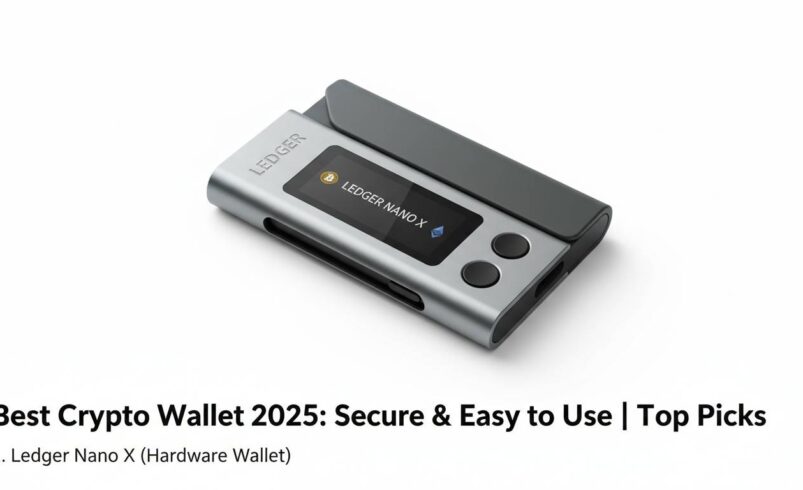
Ledger hardware wallets have become increasingly popular among Indian investors holding significant crypto assets. The Ledger Nano X and Ledger Nano S Plus provide offline key storage, effectively eliminating online attack vectors. While requiring a physical device purchase, Ledger wallets offer peace of mind for long-term holders who prioritize security above convenience.
Security Features That Matter Most in 2025
Security infrastructure has evolved substantially, with 2025 bringing several new standards that users should expect from their chosen wallets. Multi-layer authentication has become the baseline expectation. This typically combines something the user knows (password), something they have (mobile device or hardware wallet), and something they are (fingerprint or facial recognition).
Cold storage integration has transformed from a premium feature to a standard expectation for custodial solutions. Leading Indian exchanges now store the majority of user funds in offline cold wallets, with only operational capital maintained in hot wallets for immediate liquidity. This approach dramatically reduces the impact of potential security breaches, as the vast majority of assets remain inaccessible to online attackers.
Insurance coverage has emerged as an important differentiator. Several Indian platforms now offer explicit insurance policies covering digital assets against security breaches and theft. Users should verify the extent of coverage and understand any limitations before committing significant funds to any platform.
Social recovery mechanisms have gained attention as a solution to the age-old problem of lost seed phrases. Some modern wallets now offer trusted contact recovery, where designated individuals can help restore access to wallets if the primary owner loses their credentials. While controversial from a security perspective, this feature provides practical protection against permanent asset loss.
Real-time transaction alerts and spending limits have become standard features across major wallets. Users can set notifications for every transaction and establish daily or weekly withdrawal limits that provide additional protection against unauthorized access.
Mobile Versus Desktop Wallets: Making the Right Choice
The choice between mobile and desktop wallets depends significantly on individual usage patterns and security requirements. Each format offers distinct advantages that suit different investor profiles.
Mobile wallets provide unparalleled convenience for users who manage their portfolios on the go. The ability to check balances, approve transactions, and interact with decentralized applications from anywhere has driven massive adoption growth. Modern smartphone hardware also enables sophisticated biometric security that wasn’t available in earlier generations of devices. Indian users benefit particularly from mobile wallets’ integration with UPI and other local payment systems that simplify fiat currency transactions.
Desktop wallets, particularly browser extensions, have evolved into powerful tools for interacting with the Web3 ecosystem. The larger screen real estate makes reviewing transaction details and interacting with complex DeFi protocols more manageable. Browser extensions like MetaMask and Rabby have become essential tools for users who actively engage with decentralized applications, NFT marketplaces, and blockchain-based financial services.
Hardware wallets remain the gold standard for security-conscious investors, though they require an initial investment and slightly more complex setup. For Indian users holding substantial crypto assets as long-term investments, hardware wallets provide protection that software solutions cannot match. The trade-off is reduced convenience for daily transactions, making hardware wallets most suitable for storage rather than active trading.
Many sophisticated investors employ a hybrid approach, using mobile or software wallets for active trading while maintaining their primary holdings in hardware wallets. This strategy balances security with accessibility, though it requires careful organization to track assets across multiple storage solutions.
The Regulatory Environment for Crypto Wallets in India
India’s regulatory landscape for cryptocurrency has undergone significant development, with the government implementing the Cryptocurrency and Regulation of Official Digital Currency Act in 2023. This legislation established a framework for cryptocurrency regulation while imposing certain restrictions on trading and holding digital assets.
Under current regulations, cryptocurrency exchanges and wallet providers must comply with anti-money laundering requirements and know-your-customer standards. This has led to more rigorous identity verification processes across all major Indian platforms. Users should expect to complete comprehensive verification before gaining full access to wallet features, particularly for transactions involving fiat currency conversion.
The Goods and Services Tax implications for cryptocurrency transactions remain somewhat ambiguous, though the government has indicated that trading in digital assets would be treated as taxable income. Users are advised to maintain thorough records of all transactions for tax compliance purposes.
International wallets like MetaMask and Coinbase operate in a gray area in India. While not explicitly prohibited, these platforms do not always provide the same regulatory protections as domestic providers. Users choosing international solutions should understand the risks and ensure they comply with Indian tax and reporting requirements.
The regulatory environment continues to evolve, with periodic announcements suggesting potential future frameworks. Indian crypto users should stay informed about regulatory developments and ensure their chosen wallet providers maintain compliance with current requirements.
How to Select the Ideal Crypto Wallet for Your Needs
Choosing the right crypto wallet requires careful evaluation of several personal factors that vary based on individual circumstances and investment goals. The following considerations can guide this decision-making process.
Investment volume and strategy significantly influence wallet choice. Casual investors holding small amounts primarily in Bitcoin and Ethereum may find mobile wallets from reputable Indian exchanges perfectly adequate. Conversely, individuals managing substantial portfolios across multiple blockchain networks may benefit from non-custodial solutions that provide greater control and broader chain support.
Technical comfort level plays an important role. Users new to cryptocurrency generally benefit from the guided experience and customer support offered by established Indian exchanges. More experienced users comfortable with blockchain technology may prefer the flexibility and privacy of non-custodial wallets, though this comes with increased personal responsibility for security and backup.
Transaction frequency and type should inform the decision. Active traders requiring quick access to funds and multiple trading pairs will prioritize exchanges with robust liquidity and low fees. Long-term investors may accept slightly higher fees in exchange for enhanced security features like hardware wallet integration.
Security priorities vary among users. Some investors prefer the convenience of hot wallets despite the inherent risks, while others insist on cold storage solutions regardless of the added complexity. Understanding one’s own risk tolerance is essential for making an appropriate choice.
Conclusion
The best crypto wallet for Indian users in 2025 ultimately depends on individual needs, technical comfort, and investment strategies. The Indian market offers diverse options ranging from user-friendly mobile apps to sophisticated hardware security solutions. Security should remain the primary consideration, with users prioritizing platforms that implement robust authentication, cold storage protocols, and transparent security practices.
As cryptocurrency adoption continues growing in India, wallet providers will likely introduce additional features, improved user experiences, and more competitive fee structures. Users should regularly reassess their wallet choices as the ecosystem evolves, ensuring their selected solutions continue meeting their needs. The wallets highlighted in this guide represent the current leading options across different categories, offering Indian investors reliable pathways to participate in the digital asset economy with appropriate security and convenience.
Frequently Asked Questions
Which crypto wallet is best for beginners in India?
CoinDCX and ZebPay offer the most beginner-friendly interfaces with comprehensive customer support in local languages. These platforms provide easy onboarding, integrated INR deposits through UPI and bank transfers, and educational resources to help new users understand cryptocurrency management.
Are non-custodial wallets legal in India?
Non-custodial wallets like MetaMask are not explicitly illegal in India. However, users should understand that these platforms do not provide the same regulatory protections as domestic providers and assume full responsibility for security and tax compliance.
What is the safest crypto wallet for holding large amounts?
Hardware wallets like Ledger Nano X provide the highest security for large holdings by keeping private keys completely offline. Many experienced investors combine hardware wallets for storage with exchange wallets for trading convenience.
Can I use international crypto wallets in India?
Yes, international wallets like Coinbase Wallet and MetaMask can be used in India. However, users may face challenges with INR integration and should ensure compliance with Indian tax and reporting requirements.
Do Indian crypto wallets support UPI payments?
Several Indian crypto wallets including CoinDCX and WazirX support UPI deposits and withdrawals, making it convenient for Indian users to add funds to their accounts quickly.
What fees should I expect when using crypto wallets in India?
Fee structures vary significantly between providers. Exchange wallets typically charge 0.1% to 0.5% per trade plus withdrawal fees. Non-custodial wallets charge network fees for transactions but no platform fees. Users should compare total costs including spreads when selecting a wallet.