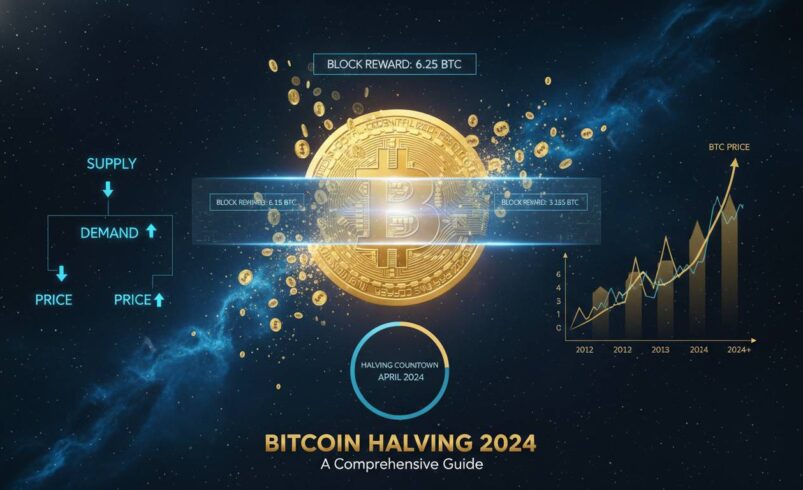

The cryptocurrency world is gearing up for one of the most talked-about events in Bitcoin’s history. The Bitcoin halving 2024, expected around April 20, 2024, will cut the block reward miners receive in half—from 6.25 BTC to 3.125 BTC per block. This directly affects how many new bitcoins enter circulation every day.
For Indian investors, traders, and anyone curious about crypto, understanding this event matters. India has become one of the largest crypto markets in the world, with millions of users trading on platforms like CoinDCX, WazirX, and ZebPay. So what exactly does this mean for you?
What is Bitcoin Halving?
Bitcoin halving is built into Bitcoin’s code. Every four years or so—after 210,000 blocks have been added to the blockchain—the reward that miners get for verifying transactions gets cut in half.
This matters because Bitcoin has a hard cap: only 21 million coins will ever exist. The halving mechanism gradually slows down how quickly new coins enter the market, creating scarcity over time.
Here’s the quick history:
- 2009: Miners got 50 BTC per block
- 2012: First halving → 25 BTC
- 2016: Second halving → 12.5 BTC
- 2020: Third halving → 6.25 BTC
- 2024: Coming up → 3.125 BTC
By 2140, all 21 million Bitcoin will be mined. After that, miners will only earn from transaction fees.
For Indian investors, the key thing to understand is that reducing new supply has historically coincided with major price movements. Whether that pattern holds this time is the big question everyone’s asking.
When is the Bitcoin Halving 2024?
The halving happens at block height 840,000. Based on current block times, that’s expected around April 20, 2024—though it could shift slightly depending on network hashrate.
Indian exchanges are preparing for this. Expect webinars, blog posts, and maybe some special promotions as the date approaches. The timing is interesting because India’s regulatory picture around crypto is still taking shape, which adds another layer of complexity to how the market might react.
Bitcoin Halving History: Lessons from Previous Events
Looking at what happened after past halvings gives us some context, though it’s not a crystal ball.
2012: The first halving. Bitcoin went from about $12 to over $1,100 within a year—a massive jump, but keep in mind Bitcoin was still tiny back then.
2016: The second halving. Price climbed from around $650 to nearly $20,000 by late 2017. Then it crashed hard, dropping to around $3,000 in 2018. Classic crypto volatility.
2020: The third halving happened during COVID lockdowns. Despite the global mess, Bitcoin rose from roughly $9,000 to an all-time high above $69,000 by November 2021. Then another crash, like clockwork.
The pattern isn’t perfectly clean. Each bull run eventually corrected. But the general trajectory after each halving has been upward—something Indian investors who bought during earlier periods definitely benefited from.
How Bitcoin Halving Affects the Indian Market
Here’s what the 2024 halving could mean for the Indian market specifically:
Supply and demand: Daily Bitcoin issuance drops from about 900 BTC to 450 BTC. If demand stays steady or grows, reduced supply tends to push prices up. India’s millions of crypto users add to that demand.
Exchange infrastructure: Indian platforms have gotten much better over the years. They’ll likely roll out educational content and maybe some halving-themed features. Expect plenty of marketing around it.
Regulatory backdrop: India taxes crypto gains at 30% and has a 1% TDS rule. The government is still figuring out the broader regulatory framework. The halving happens in the middle of all this, so Indian investors need to stay on top of compliance requirements.
Local demand matters: India is a huge market. When Indians buy or sell Bitcoin in volume, it moves the local premium/discount compared to global prices. The halving’s supply shock interacts with this domestic demand.
Expert Perspectives on Bitcoin Halving 2024
Here’s the honest truth: experts disagree.
Some analysts believe the halving is already priced in and that the market will move little. Others point to the “halving cycle” theory—that reduced supply combined with growing demand creates bullish conditions over 12-18 months. They’ve been wrong before, though.
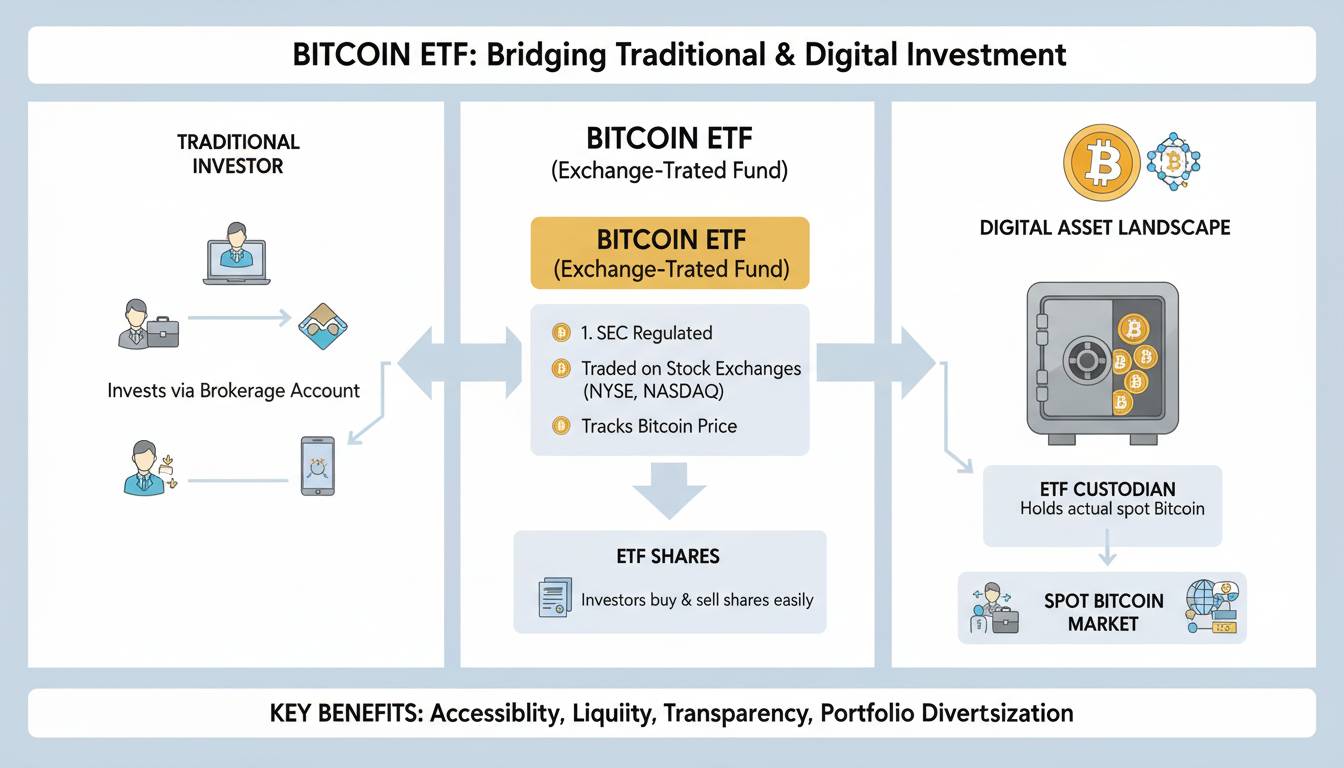
The big change this time is institutional involvement. Spot Bitcoin ETFs exist now (not in India yet, but globally). Big funds buying Bitcoin changes the dynamics compared to 2012 or 2016 when it was mostly retail investors.
I wouldn’t bet the house on any prediction. The crypto market has a habit of doing the unexpected.
Technical Implications of the 2024 Halving
The halving affects miners first and hardest. Half the revenue means some operations become unprofitable, especially those with high electricity costs. Expect some consolidation—smaller miners might merge with bigger players or shut down.
Network hashrate will probably keep climbing. Even with reduced rewards, if Bitcoin’s price stays healthy, mining remains profitable for those with cheap power. In India, electricity costs make solo mining tough, but mining pools are an option.
Long-term, there’s a debate about whether transaction fees can replace block rewards as miner income. Some worry about network security. Others think Bitcoin’s value will grow enough to make mining always worth it. Time will tell.
Impact on Indian Cryptocurrency Investment Strategies
Indian investors are thinking about strategies:
Dollar-cost averaging (DCA): Putting in fixed amounts regularly, regardless of price. This avoids the stress of timing the market. Popular among those who believe in Bitcoin long-term but don’t want to gamble on short-term moves.
Diversification: Holding Bitcoin alongside other assets—other cryptos, stocks, gold—reduces risk. Don’t put everything in one basket.
HODLing: The classic hold-for-years approach. Works if you genuinely believe Bitcoin will be worth more eventually. Many Indian HODLers got in early and have ridden out multiple crashes.
Risk management: Only invest what you can afford to lose. Crypto is volatile. The halving doesn’t change this basic advice.
Regulatory Considerations for Indian Investors
India’s crypto rules have gotten clearer but stricter:
- 30% tax on crypto gains
- 1% TDS on transactions above certain thresholds
- RBI has expressed concerns but hasn’t banned anything
Keep good records of your transactions. The tax situation is already complicated without adding a major market event into the mix.
Also watch international developments—US ETF decisions, other countries’ regulations—because they ripple into India’s market.
Frequently Asked Questions
What is Bitcoin halving and why does it happen?
Bitcoin halving cuts the miner reward by 50% roughly every four years. It ensures only 21 million Bitcoin will ever exist and creates increasing scarcity over time.
When exactly will the Bitcoin halving 2024 occur?
Around April 20, 2024, at block height 840,000. Timing can shift slightly based on network conditions.
How has Bitcoin performed after previous halvings?
2012: $12 → $1,100. 2016: $650 → $20,000. 2020: $9,000 → $69,000. All came with crashes afterward though.
How does Bitcoin halving affect Indian investors?
Reduced supply often pushes prices up, but past performance doesn’t guarantee future results. India’s large user base means local demand matters for price dynamics.
Should Indian investors buy Bitcoin before the halving?
That’s a personal decision. DCA is safer than trying to time it. Do your own research.
What happens to Bitcoin mining after the 2024 halving?
Miners earn 3.125 BTC per block instead of 6.25 BTC. Some will struggle with reduced income; others will survive and potentially profit if prices rise.
Conclusion
The Bitcoin halving 2024 is a genuine milestone in crypto history. For Indian investors, it represents both opportunity and risk—like everything in this space.
The honest take: nobody knows exactly what will happen. Historical patterns suggest bullish potential, but the market has evolved. Institutional players, regulatory shifts, and global economic conditions all play a role now.
My advice: stay informed, don’t panic, and don’t invest more than you can afford to lose. The halving is worth watching, but it’s not a magic button for profits.
Whatever happens, it should be an interesting few months for anyone following Bitcoin.