
India’s tech workforce is watching blockchain and decentralized systems gain ground across industries. More professionals are exploring web3 as an alternative to traditional tech roles, and for good reason—global companies are expanding their blockchain initiatives while Indian startups adopt decentralized solutions at a rapid pace. This guide covers the career paths, salary expectations, skills you need, and practical steps to break into India’s web3 job market.
Understanding Web3 and Its Career Potential
Web3 is the next evolution of the internet, built on blockchain technology, decentralized protocols, and token-based economic models. Unlike web2, which is dominated by centralized platforms, web3 aims to give users more ownership over their data and digital assets through dApps, NFTs, and DeFi platforms.
India is well-positioned to benefit from this shift. The country has a large pool of software developers, tech professionals, and digital entrepreneurs who are looking beyond conventional tech roles. The global blockchain job market has grown significantly, with India contributing through both remote work for international companies and domestic opportunities.
Beyond the money, people get into web3 because the work is genuinely interesting. You’re building with cutting-edge technology, and many positions offer remote work with competitive pay and exposure to global projects.
Top Web3 Career Paths Available in India
The web3 ecosystem has roles for both developers and non-developers. Here’s what the landscape looks like.
Technical Roles
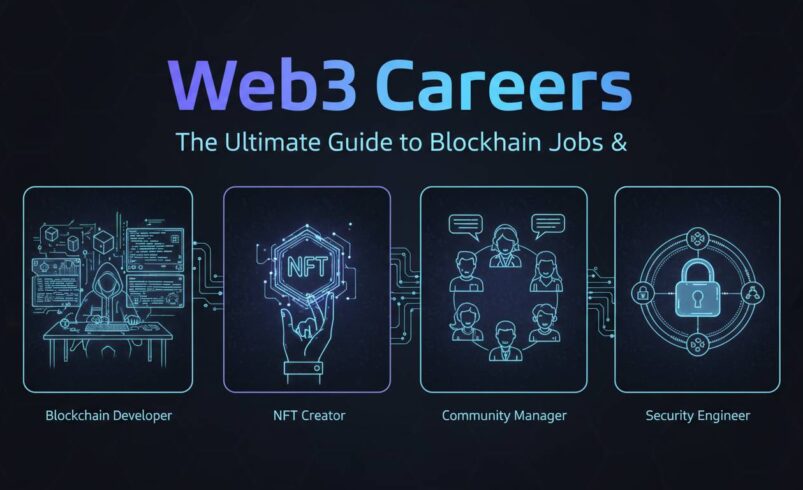
Blockchain Developers build and maintain blockchain networks, smart contracts, and decentralized applications. They earn premium salaries in India because the skill set is specialized and demand outstrips supply.
Smart Contract Developers write self-executing contracts that run automatically when conditions are met. This work requires Solidity, Rust, or Vyper, plus a solid understanding of blockchain protocols.
Protocol Engineers work on the underlying blockchain infrastructure—making networks faster, more secure, and more efficient. These roles need advanced technical knowledge and experience with distributed systems.
Security Auditors find vulnerabilities in blockchain code and smart contracts. As more value gets locked on-chain, security professionals have become essential.
Non-Technical Roles
Community Managers build and nurture communities around blockchain projects. They manage Discord servers, forums, and social media, acting as the bridge between projects and their users.
Content Creators and Technical Writers produce educational materials, documentation, and blog posts explaining web3 concepts to general audiences. You need strong communication skills and the ability to translate technical information into plain language.
Marketing and Growth Specialists develop strategies to grow user adoption and manage brand presence. Crypto-native marketing works differently from traditional marketing, so understanding web3 dynamics matters.
Product Managers oversee web3 product development, coordinating between technical teams and stakeholders. Agile experience and blockchain familiarity help here.
Web3 Salary Overview and Compensation Trends
Compensation in web3 varies by role, experience, company size, and whether the position is remote or in-office.
Blockchain developers in India typically earn between ₹8 lakhs to ₹35 lakhs per year, depending on experience and skill level. Senior developers with expertise in Ethereum, Polygon, or Solana can make ₹50 lakhs or more at established companies. Remote roles with international companies often pay significantly more—sometimes double or triple domestic rates.
Smart contract developers see similar ranges: entry-level positions start around ₹6-8 lakhs, while experienced professionals earn ₹30 lakhs+. The technical complexity and security-critical nature of the work justify the premium.
Non-technical roles—community management, content creation—typically pay ₹4-15 lakhs. Marketing and growth positions can reach ₹20 lakhs+ for experienced folks. Product managers in web3 usually earn ₹12-30 lakhs depending on their background.
Essential Skills Required for Web3 Careers
Web3 work requires a mix of technical know-how, industry understanding, and soft skills that help you navigate a fast-moving field.
Technical Skills
For technical roles, programming proficiency is foundational. JavaScript and TypeScript are must-haves for frontend dApp development. Python is useful for scripting and backend work. Solidity is the main language for smart contracts on Ethereum-compatible chains, and Rust has become important for high-performance blockchain applications.
You also need to understand blockchain fundamentals—consensus mechanisms, cryptographic principles, and token economics. Familiarity with development tools like Hardhat, Foundry, and Remix speeds up smart contract work. Knowing web3 libraries like Ethers.js and Wagmi helps with dApp integration.
Git and collaborative development practices matter because web3 teams are often distributed across time zones.
Soft Skills and Industry Knowledge
Beyond technical skills, web3 professionals need strong research abilities, adaptability, and good communication. Web3 projects involve cross-functional collaboration with globally distributed teams, so cultural awareness and asynchronous communication matter.
Staying current with industry developments shows genuine interest. Reading publications, listening to podcasts, and participating in community forums helps. Building a portfolio—personal projects, open-source contributions, hackathon participation—gives employers tangible evidence of your skills.
How to Start Your Web3 Career in India
Breaking into web3 takes planning and consistent effort to build skills and connections.
If you want to develop, start with programming fundamentals: JavaScript, Python, or Rust. Then learn blockchain-specific technologies through online tutorials, bootcamps, and documentation. Build actual projects—deploy smart contracts, create NFTs, develop simple dApps—so you have something to show employers.
If you’re transitioning from traditional tech, leverage what you already know while picking up web3 specifics. A marketing professional can apply their skills to crypto growth strategies. Community management experience translates directly to web3 community roles.
Connect with India’s web3 community through local meetups, online forums, and Twitter spaces. Contributing to open-source projects, joining hackathons, and maintaining a public portfolio make you visible to hiring managers.
For job listings, check LinkedIn, crypto job boards, and company career pages. But many web3 positions get filled through community referrals, so networking within the ecosystem matters as much as applying to job posts.
Best Platforms and Resources for Web3 Jobs
Finding web3 work means knowing where to look.
Remote-Focused Platforms: CryptoJobs, We Love Crypto Jobs, and RemoteOK list positions suitable for Indian professionals seeking remote work with international companies. These often pay in global currencies.
Indian Job Platforms: Naukri, LinkedIn, and Glassdoor increasingly feature web3 roles from Indian companies. Search for “blockchain developer,” “web3,” and “crypto” to find openings.
Protocol and Project Careers Pages: Ethereum, Polygon, Solana, and other major ecosystems post openings on their career pages—both remote and on-site.
Community Channels: Discord servers, Telegram groups, and Twitter communities dedicated to web3 share job opportunities, often before they hit formal platforms.
Professional Networking: Building relationships on Twitter and LinkedIn, plus attending industry events, creates pathways to opportunities that never get publicly advertised.
The Future of Web3 Careers in India
Web3 careers in India have a promising outlook as adoption spreads across finance, gaming, supply chain, and digital identity. Government initiatives supporting blockchain and India’s large tech talent pool create favorable conditions.
That said, go in with realistic expectations. The web3 industry is volatile—market cycles affect hiring and company survival. Building adaptability, continuous learning, and a diverse skill set helps you weather the ups and downs.
For those willing to put in the work, web3 offers a chance to build innovative technology, earn competitive compensation, and help shape how digital systems evolve. As the industry matures, career paths will become more stable while keeping the dynamic nature that draws people to this space.
Frequently Asked Questions
What qualifications do I need to start a career in web3?
You don’t need a specific degree. Many web3 professionals came in through self-learning, coding bootcamps, and online courses. Employers care more about what you can actually do than what credentials you have.
Are web3 jobs in India well-paid compared to traditional tech roles?
Generally, yes—web3 positions often pay competitively or better than traditional tech roles, especially for technical positions requiring specialized blockchain skills. Remote work with international companies typically offers the highest compensation.
Can I work in web3 without knowing how to code?
Definitely. Web3 has plenty of non-technical roles: community management, content creation, marketing, design, and operations. These leverage transferable skills from other industries.
Is it safe to join a web3 startup in India?
Research any company before joining—check their fundamentals, funding, team background, and reputation. Web3 has seen both success stories and failures, so due diligence matters regardless of industry.
How long does it take to become job-ready in web3 development?
With focused effort, you can get basic proficiency in 3-6 months. Landing competitive positions usually takes 6-12 months of learning and building. Web3 demands continuous skill development throughout your career.
What are the best resources to learn web3 development in India?
FreeCodeCamp, CryptoZombies, Alchemy University’s developer bootcamp, and YouTube tutorials are solid starting points. Reading documentation for specific protocols and joining developer communities speeds up learning.