

The cryptocurrency investment landscape keeps shifting as major asset managers wait for regulatory decisions on Solana-based exchange-traded products. Several high-profile firms have filed applications, and the financial world is watching to see if 2025 becomes the year cryptocurrency investment vehicles finally break into mainstream markets. This matters particularly for Indian investors, who have shown growing interest in digital assets despite ongoing regulatory uncertainty. If a Solana ETF gets approved, it would give investors a regulated way to get exposure to one of the largest cryptocurrencies by market cap—without actually holding the underlying token.
Current Status of Solana ETF Applications
A number of well-known asset management firms have submitted Solana ETF applications to the SEC, signaling a serious escalation in institutional interest for the cryptocurrency. VanEck and 21Shares were among the first to file, submitting their proposals in late 2024 and early 2025 respectively. These applications came after the SEC approved spot Ethereum ETFs in 2024, which set a precedent for cryptocurrency-based exchange-traded products in the United States.
The SEC has been reviewing these applications under heavy scrutiny, looking at market manipulation concerns, custody solutions, and investor protection mechanisms. As of early 2025, no final decisions have been announced, though observers expect developments throughout the year. The timeline remains unclear—some analysts suggest decisions could come by mid-2025, while others think the review process will take longer.
The applications have generated significant market interest. Solana’s native token SOL has shown notable price volatility in response to filing announcements and regulatory updates, similar to what happened during the Ethereum ETF approval process.
How Solana ETFs Would Function
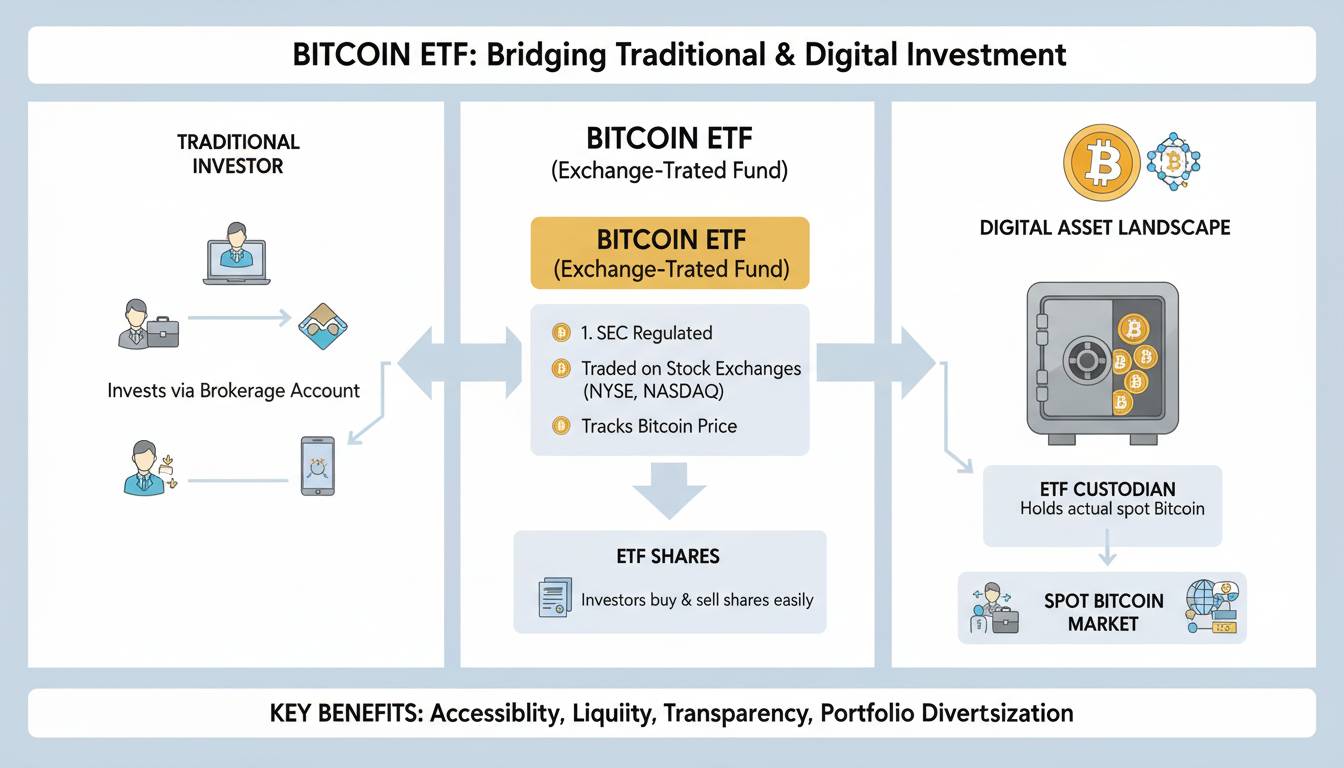
A Solana ETF would work like a traditional exchange-traded fund, but instead of tracking stocks or bonds, it tracks the price movements of Solana’s native token, SOL. Investors buying shares would get exposure to Solana’s price performance without dealing with the hassle of purchasing, storing, and securing cryptocurrency through wallets and exchanges.
The ETF structure offers several advantages for Indian investors. First, it provides a familiar investment vehicle through established brokerage accounts, removing the need to navigate cryptocurrency exchanges that often lack robust regulatory oversight. Second, ETF shares can be traded throughout market hours, offering liquidity that direct cryptocurrency purchases cannot match. Third, the ETF structure includes built-in tax reporting and custody solutions that simplify the investment process for both institutional and retail investors.
Looking at Ethereum ETFs helps explain how this would work. When the SEC approved spot Ethereum ETFs in 2024, it established regulatory frameworks that Solana ETF applicants now want to follow. Both cryptocurrencies are proof-of-stake networks with significant institutional interest, though differences in market cap, transaction throughput, and developer ecosystems remain important factors in the SEC’s evaluation.
Market Implications and Price Impact
The potential approval of Solana ETFs carries major implications for both cryptocurrency and traditional financial markets. Analysts at major financial institutions have projected substantial capital inflows if ETFs receive approval, with some estimates suggesting billions of dollars could flow in during the first year of trading.
Institutional investors, who have historically been unable to get meaningful cryptocurrency exposure due to regulatory and custody concerns, would gain a regulated pathway to allocate capital to Solana. This mirrors the institutional adoption seen after Bitcoin and Ethereum ETF approvals, which together attracted billions in assets under management.
For Indian markets specifically, Solana ETF approval could speed up cryptocurrency adoption among both retail and institutional investors looking for regulated products. Indian cryptocurrency enthusiasts currently deal with complex tax implications and regulatory ambiguities around digital asset investments. An ETF structure could provide clearer compliance pathways and potentially influence domestic regulatory thinking toward greater acceptance of cryptocurrency investment products.
Market participants have already started positioning for potential approval, with trading volumes in Solana derivatives markets rising during periods of positive regulatory news. However, investors should remember that cryptocurrency markets remain extremely volatile, and past performance of other cryptocurrency ETFs does not guarantee similar results for Solana-based products.
Regulatory Considerations for Indian Investors
Indian investors face unique considerations when evaluating cryptocurrency ETF investments. The Reserve Bank of India has maintained cautious oversight of cryptocurrency activities, while the government has implemented tax provisions that treat virtual digital assets as taxable commodities. These regulatory frameworks create complexity for investors seeking cryptocurrency exposure.
The potential approval of Solana ETFs in the United States does not automatically create similar products in India. Indian investors wanting exposure would need to access U.S. markets through international brokerage accounts, which involves additional documentation, currency conversion considerations, and potential compliance requirements under FEMA provisions.
Indian regulatory bodies continue to monitor global developments in cryptocurrency ETF approvals. SEBI has not yet indicated specific frameworks for cryptocurrency-based ETFs within India, though the success of such products in international markets could influence future regulatory discussions. Investors should stay aware of evolving domestic regulations that may impact their ability to invest in international cryptocurrency ETFs.
Expert Perspectives and Market Analysis
Financial analysts have varied views on the likelihood and implications of Solana ETF approval. Supporters point to the SEC’s growing comfort with cryptocurrency products following Bitcoin and Ethereum ETF approvals, arguing Solana is the next logical candidate given its position as the fifth-largest cryptocurrency by market cap.
Skeptics highlight ongoing concerns about cryptocurrency market manipulation, the absence of comprehensive regulatory frameworks, and potential risks to retail investors. These concerns echo debates that came before Ethereum ETF approval and reflect broader discussions about the right regulatory approach to digital assets.
Observers note that Solana’s technical features—high transaction throughput and relatively low fees compared to other layer-1 blockchains—make it an attractive candidate for ETF inclusion. The network’s growing ecosystem of decentralized applications and DeFi protocols shows substantial real-world utility that ETF proponents cite as evidence of long-term value.
Institutional adoption trends suggest growing mainstream acceptance of cryptocurrency as an asset class. Major financial institutions have increasingly offered cryptocurrency custody and trading services, while pension funds and endowments have cautiously allocated small portions of portfolios to digital assets. Solana ETF approval would likely accelerate these trends, though the pace of adoption depends heavily on regulatory developments.
Conclusion
The potential approval of Solana ETFs in 2025 represents a significant development in the convergence of traditional finance and cryptocurrency markets. For Indian investors, these products could offer a regulated pathway to gain exposure to Solana’s growth potential, though accessing such products requires navigating international investment frameworks and understanding evolving domestic regulations.
The outcome of SEC reviews remains uncertain, with market participants expecting developments throughout 2025. Regardless of immediate approval outcomes, the filing of multiple Solana ETF applications shows sustained institutional interest in cryptocurrency investment vehicles and suggests continued evolution in how investors can access digital asset markets.
Indian investors should approach these developments carefully, considering their investment objectives, risk tolerance, and regulatory compliance requirements. Speaking with financial advisors familiar with both cryptocurrency markets and international investment regulations can provide valuable guidance as the investment landscape continues to develop.
Frequently Asked Questions
Will Solana ETF be approved in 2025?
The SEC has not announced a final decision on Solana ETF applications yet. Multiple asset managers have filed applications, and the regulatory review process continues. Observers expect developments throughout 2025, though specific timing remains unclear.
How can Indian investors buy Solana ETFs?
Indian investors looking to purchase Solana ETFs would typically need to open international brokerage accounts that provide access to U.S. markets. This involves complying with FEMA regulations and understanding tax implications in both countries.
What is the difference between buying SOL directly and buying a Solana ETF?
Buying SOL directly requires managing cryptocurrency wallets, private keys, and exchange accounts. A Solana ETF gives exposure to SOL price movements through traditional brokerage accounts with familiar trading mechanisms, regulatory oversight, and built-in tax reporting.
Are cryptocurrency ETFs safe investments?
All investments carry risks, and cryptocurrency ETFs are subject to the volatility of underlying digital asset markets. While ETF structures provide regulatory oversight and custody solutions, investors should carefully evaluate their risk tolerance and investment objectives before committing capital.
How do Solana ETFs compare to Ethereum ETFs?
Both would operate similarly as exchange-traded products tracking cryptocurrency prices. The main differences relate to the underlying assets and their respective market characteristics, including price volatility, market capitalization, and network utility.
What factors will influence Solana ETF decisions?
The SEC evaluates market integrity, investor protection mechanisms, custody solutions, arbitrage mechanisms, and whether the underlying market has sufficient depth and transparency to support ETF trading.